
How does the region you live in affect your health? (Health Disparities)

How does the region you live in affect your health? (Health Disparities)

Have you ever wondered how far you have to travel, how long you have to wait on the bus, to take your mother or father to a clinic? Or, how many kilometers away you have to travel to a city to see a specialist? Most of the time, when we talk about an illness, we only think about how the illness develops and the medicine we need to take. However, today we will talk about how the environment we live in, that is, our village, our city, and the facilities we have, affect our health .

Why is your postcode more important than your genes?

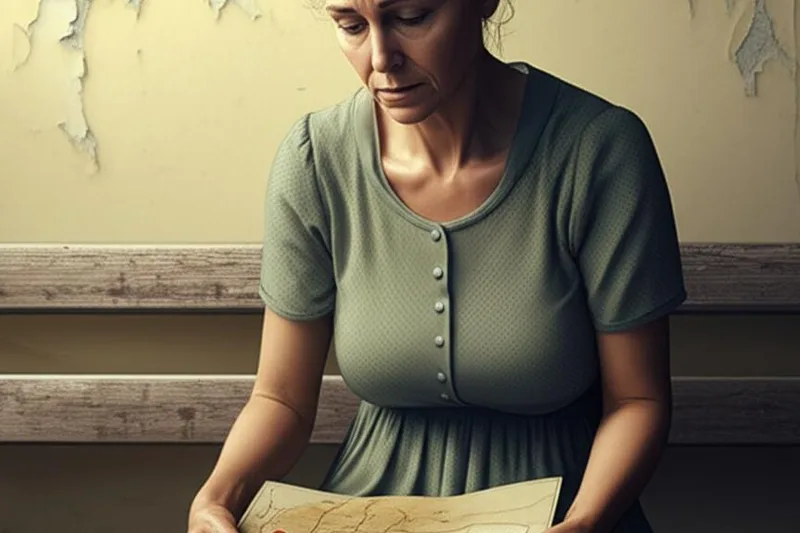
To understand this story, let's take a small example. Imagine an elderly mother living in a difficult village. She has both diabetes and high blood pressure. She has to go to the clinic once a month. But, it takes about half a day to go from the village to the hospital in the town. There is no bus. There is no money to go on a three-wheeler. So, some months she doesn't even go to the clinic. She doesn't even get her medicine properly. As time goes by, her health conditions gradually worsen.

Now imagine someone living in a city with all the amenities nearby. If they need to see a doctor, they can go there in 10 minutes. They can go to a pharmacy and get medicine at any time. How different can the health conditions of these two people be?

Simply put, sometimes your health is determined more by the postcode you live in than by your genetic code. This means that our living conditions and environmental factors directly affect our health .

There are several main obstacles that cause this. Let's look at them one by one.

Barrier affecting health How it affects (example)
Distance to medical centers Having to travel kilometers from remote areas to the main district hospital or to see a specialist doctor means that many people avoid preventive treatments and clinics.
Transportation difficulties The lack of punctual buses and the inability to use private vehicles due to high fares make seeing a doctor a day-long chore.
Lack of fresh food There are no large supermarkets or weekly markets. The only things to buy from the village shops are unhealthy things like tinctures, sugary drinks, and packaged foods. Fresh vegetables and fruits are scarce.
Weaknesses in infrastructure Lack of sidewalks, parks, and playgrounds suitable for walking. People are afraid to exercise or walk due to a dirty, unsafe environment with no street lights.
Lack of clean water Some rural areas lack access to clean drinking water. Old water pipe systems pose a risk of heavy metals such as lead being mixed into the water.

The importance of a walkable environment

"Walkability" refers to the extent to which an area is walkable. This includes things like good sidewalks, trees on both sides of the road, good lighting, and safety.

Imagine that there is no good path or park in your area to walk. There are piles of garbage everywhere, broken roads, and it is dark at night. Who would want to exercise in such an environment? This greatly increases the risk of obesity , which in turn increases the risk of developing non-communicable diseases like diabetes and heart disease.

On the other hand, in some areas, people have to walk kilometers to buy fresh vegetables and fruits. Instead, they get used to canned fish, noodles, biscuits, etc. that are easily available at the village shop. Even a doctor would advise someone who has no access to fresh vegetables, such as "choose canned vegetables with less salt instead of sugary fruit juices."

In this way, not only the difficulty of seeing a doctor, but also the barriers to living a healthy lifestyle have a big impact on our health. In a busy, under-equipped hospital, a doctor has less time to devote to one patient. As a result, even basic tests, such as your body mass index (BMI), may be missed.

This is a cycle that goes from generation to generation.

This problem is exacerbated in education. Schools in low-income, remote areas have fewer resources. There is a shortage of good teachers and laboratory facilities.

Imagine a child studying in such a school. If that child does not receive a good education, their chances of passing A-levels and going to university are reduced. This directly affects the job and income that the child can find in the future.

As income decreases, the ability to eat a good, nutritious diet, live in a decent home, and receive good treatment when sick also decreases.

In this way, health problems and economic hardships are intertwined, becoming a cycle that is passed down from generation to generation. This is not something that an individual can change. This is something that we all need to understand and find solutions for as a society. We all need to raise our voices together to improve the health facilities and infrastructure in our villages and our areas. Because everyone should have the same right to live a healthy life.

Take-Home Message

  • The area you live in, its amenities, and the environment directly affect your health.
  • Distance to medical care, transportation difficulties, lack of fresh food, and lack of a suitable environment for exercise can lead to serious health problems.
  • Talk to your doctor about the barriers you face to living a healthy lifestyle. Get advice on how to make the most of the resources available.
  • These health inequalities are not the fault of any one individual, and require collective action as a society to address them.
  • Don't be afraid to speak up and speak up for local authorities to improve health and infrastructure in your area.

Health Disparities, Transportation Difficulties, Remote Areas, Nutrition, Preventive Health, Health Disparities, Health Equity

⚠️ Important: The medical articles and information on Nirogi Lanka are for general awareness only, and are by no means a substitute for professional medical advice, diagnosis, or treatment. For any medical problem you have, consult a qualified physician immediately.

💬 Comments (0)

No comments yet. Be the first to share your thoughts here.

Add Your Comment

Please calculate: 1 + 2 =
How does the region you live in affect your health? (Health Disparities)

How does the region you live in affect your health? (Health Disparities)

Have you ever wondered how far you have to travel, how long you have to wait on the bus, to take your mother or father to a clinic? Or, how many kilometers away you have to travel to a city to see a specialist? Most of the time, when we talk about an illness, we only think about how the illness develops and the medicine we need to take. However, today we will talk about how the environment we live in, that is, our village, our city, and the facilities we have, affect our health .

Why is your postcode more important than your genes?

To understand this story, let's take a small example. Imagine an elderly mother living in a difficult village. She has both diabetes and high blood pressure. She has to go to the clinic once a month. But, it takes about half a day to go from the village to the hospital in the town. There is no bus. There is no money to go on a three-wheeler. So, some months she doesn't even go to the clinic. She doesn't even get her medicine properly. As time goes by, her health conditions gradually worsen.

Now imagine someone living in a city with all the amenities nearby. If they need to see a doctor, they can go there in 10 minutes. They can go to a pharmacy and get medicine at any time. How different can the health conditions of these two people be?

Simply put, sometimes your health is determined more by the postcode you live in than by your genetic code. This means that our living conditions and environmental factors directly affect our health .

There are several main obstacles that cause this. Let's look at them one by one.

Barrier affecting health How it affects (example)
Distance to medical centers Having to travel kilometers from remote areas to the main district hospital or to see a specialist doctor means that many people avoid preventive treatments and clinics.
Transportation difficulties The lack of punctual buses and the inability to use private vehicles due to high fares make seeing a doctor a day-long chore.
Lack of fresh food There are no large supermarkets or weekly markets. The only things to buy from the village shops are unhealthy things like tinctures, sugary drinks, and packaged foods. Fresh vegetables and fruits are scarce.
Weaknesses in infrastructure Lack of sidewalks, parks, and playgrounds suitable for walking. People are afraid to exercise or walk due to a dirty, unsafe environment with no street lights.
Lack of clean water Some rural areas lack access to clean drinking water. Old water pipe systems pose a risk of heavy metals such as lead being mixed into the water.

The importance of a walkable environment

"Walkability" refers to the extent to which an area is walkable. This includes things like good sidewalks, trees on both sides of the road, good lighting, and safety.

Imagine that there is no good path or park in your area to walk. There are piles of garbage everywhere, broken roads, and it is dark at night. Who would want to exercise in such an environment? This greatly increases the risk of obesity , which in turn increases the risk of developing non-communicable diseases like diabetes and heart disease.

On the other hand, in some areas, people have to walk kilometers to buy fresh vegetables and fruits. Instead, they get used to canned fish, noodles, biscuits, etc. that are easily available at the village shop. Even a doctor would advise someone who has no access to fresh vegetables, such as "choose canned vegetables with less salt instead of sugary fruit juices."

In this way, not only the difficulty of seeing a doctor, but also the barriers to living a healthy lifestyle have a big impact on our health. In a busy, under-equipped hospital, a doctor has less time to devote to one patient. As a result, even basic tests, such as your body mass index (BMI), may be missed.

This is a cycle that goes from generation to generation.

This problem is exacerbated in education. Schools in low-income, remote areas have fewer resources. There is a shortage of good teachers and laboratory facilities.

Imagine a child studying in such a school. If that child does not receive a good education, their chances of passing A-levels and going to university are reduced. This directly affects the job and income that the child can find in the future.

As income decreases, the ability to eat a good, nutritious diet, live in a decent home, and receive good treatment when sick also decreases.

In this way, health problems and economic hardships are intertwined, becoming a cycle that is passed down from generation to generation. This is not something that an individual can change. This is something that we all need to understand and find solutions for as a society. We all need to raise our voices together to improve the health facilities and infrastructure in our villages and our areas. Because everyone should have the same right to live a healthy life.

Take-Home Message

  • The area you live in, its amenities, and the environment directly affect your health.
  • Distance to medical care, transportation difficulties, lack of fresh food, and lack of a suitable environment for exercise can lead to serious health problems.
  • Talk to your doctor about the barriers you face to living a healthy lifestyle. Get advice on how to make the most of the resources available.
  • These health inequalities are not the fault of any one individual, and require collective action as a society to address them.
  • Don't be afraid to speak up and speak up for local authorities to improve health and infrastructure in your area.

Health Disparities, Transportation Difficulties, Remote Areas, Nutrition, Preventive Health, Health Disparities, Health Equity

⚠️ Important: The medical articles and information on Nirogi Lanka are for general awareness only, and are by no means a substitute for professional medical advice, diagnosis, or treatment. For any medical problem you have, consult a qualified physician immediately.

💬 Comments (0)

No comments yet. Be the first to share your thoughts here.

Add Your Comment

Please calculate: 1 + 2 =