
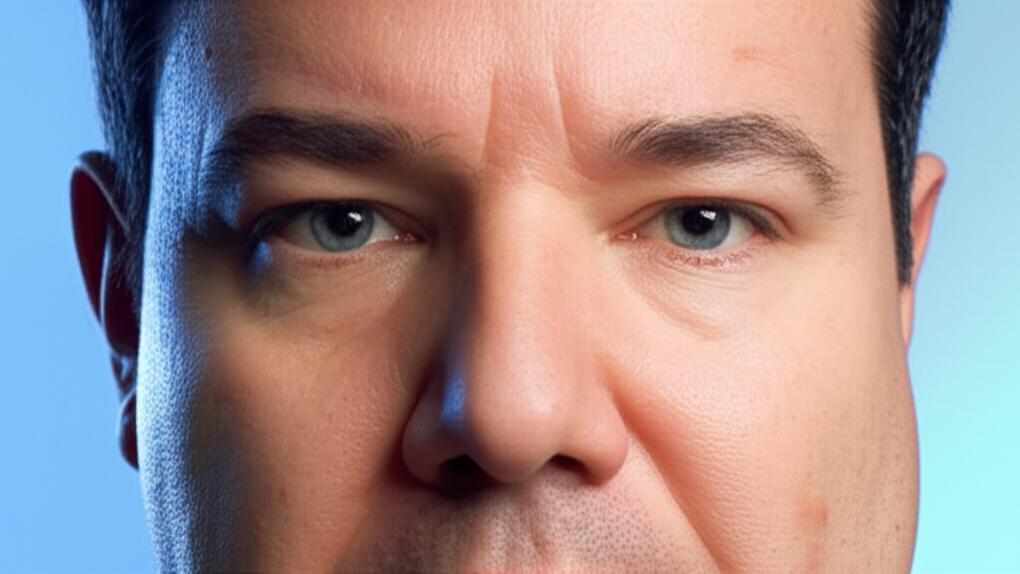
Have you ever looked in the mirror on some mornings and wondered why your face looks a bit fuller and rounder? Perhaps a close friend or family member mentioned that your cheeks look noticeably puffy lately. When your face gradually takes on a fuller, rounded shape over time, doctors give this clinical sign a specific medical name. That name is moon facies.
Hearing a medical term like this for the first time can sound a bit intimidating or scary. However, you can rest assured that moon facies itself is generally not a disease. Instead, it is a visible physical sign that gives clues about what is happening inside your body.
Understanding why this change happens helps you work closely with your doctor to find the root cause. Let us explore this fascinating topic together in clear, simple words so you feel empowered and informed about your health.
Key Takeaways at a Glance
- Moon facies describes a rounded, puffy facial appearance caused by fat buildup under the skin.
- It is most often triggered by high levels of the stress hormone cortisol in your bloodstream.
- Taking long-term steroid medicines like prednisone is the single most common cause worldwide.
- Never stop or change your prescribed steroid dosage on your own, as sudden discontinuation is dangerous.
- Treatment focuses on addressing the underlying medical cause under the careful guidance of your doctor.
Know your body mass index (BMI) and weight classification
What is Moon Facies? Exactly What Happens Inside Your Body?
Put simply, moon facies happens when extra fat tissue collects on both sides of your face. This extra fat creates a full, rounded, and sometimes swollen look that resembles a bright full moon. That is why medical professionals adopted the term moon face.
In some cases, the sides of the face fill out so much that your ears might even be hidden when someone looks straight at you from the front. Many people assume this facial fullness is just a normal result of gaining overall body weight.
While general weight gain or obesity can sometimes accompany facial changes, it is not always the main reason. The true driving force behind moon facies is often a distinct chemical shift happening deep inside your endocrine system.
Think of moon facies not as a standalone illness, but rather as an external message from your body. It is a visual signal telling you that your internal hormonal balance needs medical attention and careful evaluation.
The Main Cause: The Cortisol Hormone
Every single one of us has a vital chemical messenger circulating in our bodies known as cortisol. This powerful hormone is produced naturally by your adrenal glands, which are two tiny, triangle-shaped glands sitting right on top of your kidneys.
Cortisol plays an essential role in keeping you healthy and alive every day. It helps your body respond effectively to physical and emotional stress, regulates your blood sugar levels, and helps control inflammation and fight infections.
However, problems arise when something causes your cortisol levels to stay abnormally high for a long, continuous period. When excess cortisol floods your system week after week, it alters how your body stores and redistributes fat.
Fat begins moving away from your arms and legs and collects heavily in your face, upper back, and belly. This persistent state of high cortisol is medically known as Cushing's syndrome, making moon facies one of its classic hallmark signs.
What Causes Moon Facies? Common Triggers
Several distinct medical conditions and external factors can push your cortisol levels too high and cause moon facies. To make this easy to understand, let us review the primary causes in the structured table below.
| Underlying Cause | Simple Plain-English Explanation |
|---|---|
| Steroid Medicines | This is the most common reason worldwide. Taking prescription steroids like prednisone for conditions such as severe asthma or rheumatoid arthritis over a long period often triggers facial rounding. |
| Pituitary Gland Issues | Your pituitary gland in the brain can produce too much ACTH hormone. ACTH acts as a messenger that commands your adrenal glands to pump out excessive amounts of cortisol. |
| Adrenal Gland Tumors | Growths can develop directly on the adrenal glands above your kidneys. These tumors, whether benign or cancerous, can manufacture and release high amounts of cortisol independently. |
| Ectopic Tumors Elsewhere | In rare instances, abnormal growths in organs like the lungs or pancreas can produce hormones that stimulate your body to overproduce cortisol. |
Steroid Medicines and Moon Facies: What You Need to Know
This section applies directly to many people and deserves your careful attention. Do you take prescription steroid medicines over a long period to manage joint pain, asthma flare-ups, skin disorders, or autoimmune conditions?
If your answer is yes, you have a higher chance of developing moon facies. In fact, facial rounding and extra weight gain are among the most frequent and well-known side effects of long-term corticosteroid therapy.
The exact likelihood and severity of these changes depend heavily on the specific dose you take and how many months or years you remain on the medicine. Higher doses taken over longer durations make facial rounding much more noticeable.
A Very Important Safety Warning!
Never let frustration over a changing facial shape tempt you into stopping your steroid prescription on your own. Do not cut your pill in half or skip doses without explicit instructions from your prescribing doctor.
Stopping steroid medicine abruptly is extremely dangerous because your adrenal glands temporarily slow down natural hormone production while receiving external medicines. Quitting suddenly can shock your system and trigger severe, life-threatening health complications.
If you notice facial changes or weight gain while taking your prescribed steroids, schedule an appointment to talk openly with your doctor. They can evaluate your treatment plan safely and make any necessary adjustments.
How Do Doctors Diagnose Your Condition?
When you feel concerned about changes in your facial structure, visiting a qualified medical doctor is the wisest first step. Your doctor will begin by asking you a series of detailed questions about your health history.
They will want to know what prescription medicines you currently take, exactly when you first noticed your face becoming rounder, and whether you have experienced any other unusual physical symptoms recently.
During a physical examination, your doctor will look for other classic signs of Cushing's syndrome. For instance, they will check if you have extra fat pads forming behind your neck, often called a buffalo hump, or fat accumulating around your midsection while your arms and legs stay relatively thin.
To confirm their diagnosis, your doctor may order specific laboratory tests to measure your hormone levels. These typically include specialized blood tests, 24-hour urine collection tests, or saliva tests to check your cortisol rhythm.
If hormone levels show abnormalities, your doctor may recommend diagnostic imaging scans, such as an MRI or a CT scan, to look closely at your pituitary gland and adrenal glands for any growths.
What Are the Available Treatments for Moon Facies?
Treatment for moon facies is never a one-size-fits-all approach because it depends entirely on what is causing your high cortisol levels in the first place. Once your doctor identifies the root cause, they will tailor a plan specifically for you.
- If steroid medicines are the cause: Your doctor will carefully work to lower your prescription to the lowest effective dose that still controls your primary medical condition. Sometimes they may switch you to an alternate-day dosing schedule or explore steroid-sparing treatments.
- If a tumor is the cause: If a benign or cancerous growth on your pituitary gland, adrenal gland, or another organ is overproducing hormones, surgery is often performed to safely remove the tumor and restore normal hormone balance.
- If other medical causes are present: In certain complex situations, specialized prescription medicines or targeted radiation therapy may be necessary to block excess hormone production and protect your long-term health.
No matter what triggers your condition, partnering closely with an experienced healthcare team is essential for achieving a safe and successful recovery.
💡 Take-Home Message
- Moon facies describes facial rounding caused by fat deposition, acting as a visual indicator of an underlying issue rather than a standalone disease.
- The primary driver is prolonged exposure to elevated levels of the stress hormone cortisol, often linked to Cushing's syndrome.
- Long-term usage of prescription corticosteroid medicines remains the most common trigger for developing moon facies.
- Never stop taking prescribed steroids suddenly or alter your dosage without direct guidance and supervision from your doctor.
- Accurate medical diagnosis through hormone testing and imaging is vital because treatment depends entirely on identifying the root cause.
When to Seek Emergency Medical Attention
While moon facies develops gradually, certain symptoms require immediate emergency care. Call 911 in the US and Canada, 999 in the UK, or go straight to your nearest Emergency Department (ER or A&E) if you experience:
- Sudden, severe dizziness, confusion, or extreme fainting spells.
- Incontinence, sudden severe weakness, or inability to stand up.
- Severe abdominal pain accompanied by persistent vomiting and low blood pressure.
- Chest pain, severe shortness of breath, or sudden signs of severe allergic reaction.






No comments yet. Be the first to share your question or experience below.