
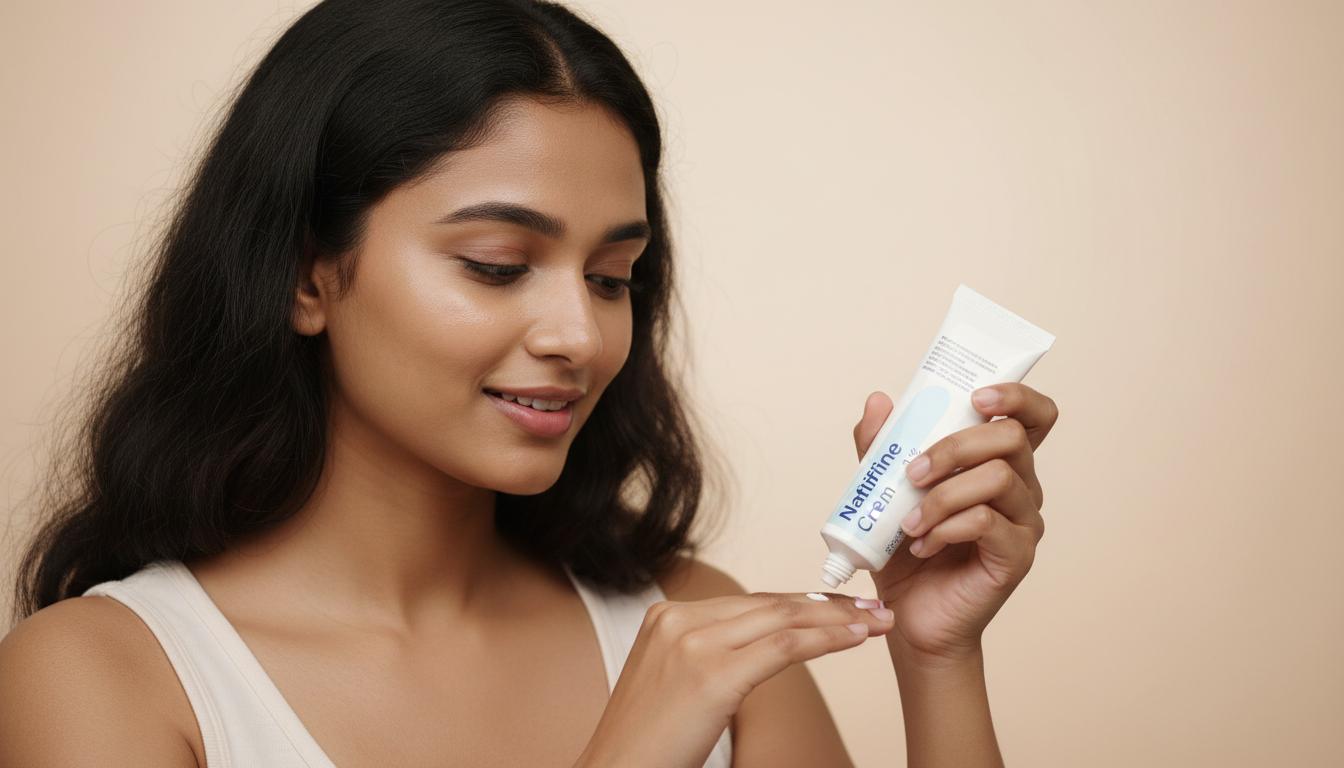
Living in a warm and humid climate often means dealing with stubborn fungal skin infections. If your skin is itchy, red, or irritated, your doctor may have given you a medicine called Naftifine. This cream or gel is commonly known by brand names like Naftin.
Understanding how to use this medicine correctly helps you heal faster and keeps the infection from coming back. Let us walk through everything you need to know about Naftifine in simple terms.
Key Takeaways at a Glance
- Naftifine is a prescription antifungal cream or gel applied directly to the skin.
- Always finish your full course of medicine, even if your skin looks and feels better.
- Keep the affected area clean, dry, and cool to help the medicine work better.
- Never share your prescription cream with family members or friends.
Know your body mass index (BMI) and weight classification
What is Naftifine?
Simply put, Naftifine belongs to a group of medicines called antifungals. Its main job is to stop the growth of specific fungi and yeasts that cause itchy and uncomfortable skin conditions. By killing these tiny germs, it allows your skin to heal and return to its normal, healthy state.
This medicine usually comes in two main forms, which are a smooth cream or a clear gel. Your doctor will choose the right form depending on where the infection is located on your body and how your skin reacts.
Things to Tell Your Doctor Before You Use It
Before you start using this medicine, you need to share some important health background with your doctor. Being open helps make sure the treatment is safe and right for you.
- Tell your doctor if you have ever had an allergic reaction to Naftifine, or any other creams, medicines, food dyes, or preservatives.
- Let your doctor know right away if you are pregnant, planning to become pregnant very soon, or trying to start a family.
- Inform your doctor if you are a nursing mother feeding a baby, so they can ensure the medicine will not affect your little one.
How to Use This Medicine Correctly
Getting the best results from any treatment means following the directions with great care. Keep these simple steps in mind every time you apply your medicine.
1. For skin use only: This medicine is meant only for your skin. Never swallow it by mouth, and keep it away from inside your body.
2. Wash your hands: Wash your hands thoroughly with soap and water before and after you apply the cream. If you are treating an infection directly on your hands or fingernails, wash your hands before applying the medicine.
3. Apply the right way: Put a thin layer of the cream or gel over the infected spot and a little bit of the healthy skin right around it.
4. Do not cover it up: Unless your doctor gives you strict instructions to do so, do not wrap the area with bandages or tight airtight dressings. Let your skin breathe naturally.
5. Protect your eyes: Keep the medicine away from your eyes, nose, and mouth. If it accidentally gets into your eyes, rinse them right away with plenty of clean water.
6. Complete the full course: This is the most important rule. Even if your skin looks completely clear and healthy, keep using the medicine for the entire time your doctor told you to. Stopping early often lets the fungus grow back.
7. What to do if you miss a dose: If you forget to put on your cream, apply it as soon as you remember. If it is almost time for your next scheduled application, skip the missed dose and stay on your normal routine. Never put on a double dose to make up for a missed one.
Remember that your prescription medicine is meant for you alone. Never share your cream with anyone else, even if their symptoms look identical to yours.
Using Naftifine on Young Children
Doctors sometimes prescribe this medicine for skin infections in children who are older than two years. However, this is always a medical decision made by a trained professional. If you need to use this treatment on a child, speak closely with your pediatrician first to ensure proper safety.
Special Things to Keep in Mind
Taking care of your skin involves more than just putting on a cream. These daily habits help your body heal much faster.
- If your skin does not improve: If you use the medicine for two to four weeks and see no improvement, or if your infection feels worse, let your doctor know right away.
- If raw spots develop: If your skin develops painful sores, blisters, or severe raw patches that refuse to heal, contact your doctor for guidance.
For Jock Itch Infections
If you are treating a fungal infection in your groin area, known as jock itch, you need to change a few clothing habits. Avoid tight underwear that traps sweat and heat. Stay away from synthetic fabrics like nylon or rayon, and choose loose, breathable cotton undergarments instead. Always dry the area completely after bathing.
For Athlete's Foot Infections
If you are treating an infection on your feet and between your toes, follow these extra steps to keep fungus away:
- Dry your feet thoroughly after washing, paying special attention to the spaces between your toes.
- Avoid socks made from wool or heavy synthetic fibers. Choose clean cotton socks and change them often if your feet sweat.
- Wear open or well-ventilated shoes that let fresh air reach your feet.
- Keep your feet dry during the day, and use a safe drying powder if your doctor recommends it.
Possible Side Effects of Naftifine
Like all medicines, Naftifine can sometimes cause mild side effects in certain people. Most of these reactions are minor and go away on their own.
| Side Effect Type | What You Might Feel |
|---|---|
| Allergic Signs (Call Doctor) | New skin rashes, hives, or severe itching where you applied the cream. |
| Burning or Stinging | A mild burning sensation or stinging feeling right after putting the cream on. |
| Dry Skin | The skin right around the treated area feeling dry, tight, or flaky. |
| Mild Irritation | Slight redness or skin discomfort that fades away shortly after application. |
What to Do If You Use Too Much
Because this medicine is applied directly to the skin, serious poisoning from overuse is rare. However, if someone accidentally swallows the cream or if you think you applied far too much, stay calm and act quickly. In the US, call Poison Control at 1-800-222-1222. In the UK, call 111. If there are severe symptoms, go straight to the nearest emergency room or call 911 (US/Canada) or 999 (UK).
When to Seek Emergency Help
If you experience sudden facial swelling, trouble breathing, widespread blistering, or severe hives after using Naftifine, call emergency services right away. These are signs of a severe allergic reaction that requires urgent medical care.
💡 Take-Home Message
- Naftifine is an external antifungal cream or gel meant strictly for your skin. Never take it by mouth.
- Always finish the entire treatment course prescribed by your doctor, even if your skin looks completely healed.
- If your symptoms do not improve after a few weeks, schedule a follow-up visit with your doctor.
- Keep your personal tube of cream to yourself and store it safely away from children.




No comments yet. Be the first to share your question or experience below.