
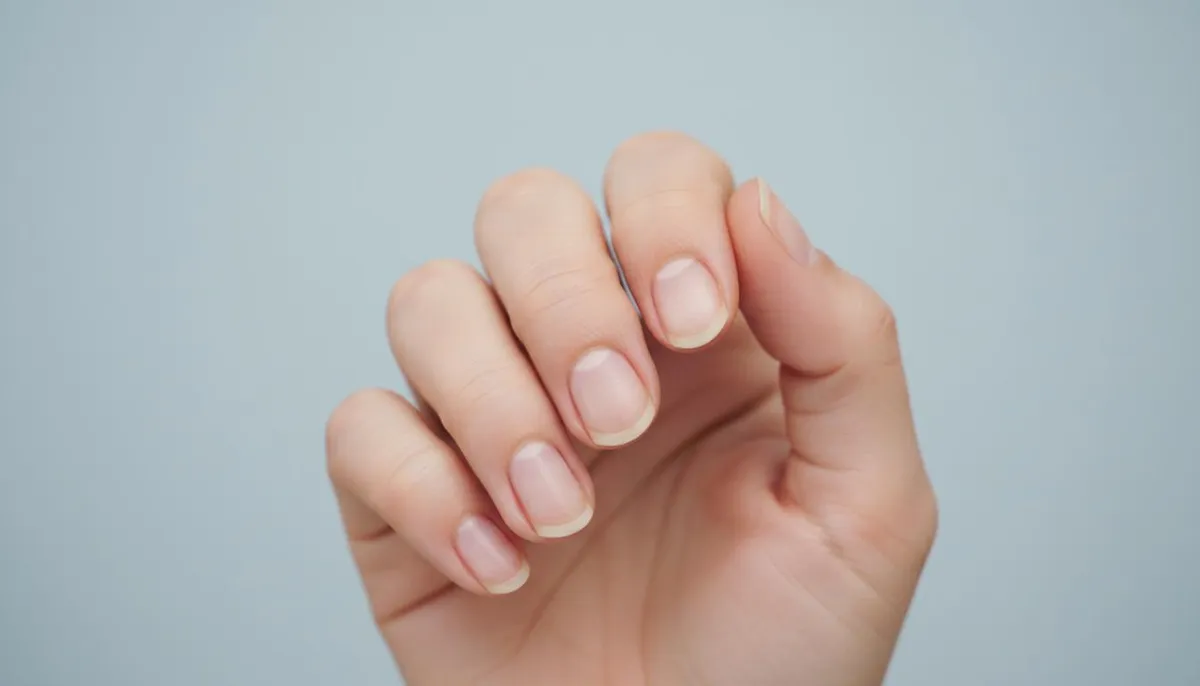
Have you ever looked closely at the nails on your hands and toes? Sometimes, the first sign of a health issue hidden deep inside your body starts right at your fingertips. Your nails can act like a small window into your overall physical health and well-being.
Today, we will talk about a specific nail change that many people overlook, yet it carries immense medical importance. In medicine, doctors refer to this condition as nail clubbing. Let us explore what this means for you and your health.
What is Nail Clubbing?
Simply put, nail clubbing is a visible change in the shape and structure of your fingernails or toenails. This change does not happen overnight. It develops gradually, often over several months or even years. If you have nail clubbing, your fingers and nails will show distinct physical traits.
| Physical Feature | Detailed Description |
|---|---|
| Upside-Down Spoon Look | The tissue around the nail swells and rounds out, looking much like the back of an upside-down teaspoon. Your fingertip also appears enlarged. |
| Soft, Spongy Feel | When you press down on the nail, it feels soft and spongy underneath like a tiny mattress. It feels as though the nail floats rather than attaching firmly to the bone. |
| Warmth and Redness | The skin around your nail may turn red. When touched, you might even notice a slight warmth compared to your other fingers. |
| Nail Broadening | The nail plate grows wider and curves downward over the tips of your fingers in a broader shape. |
Most of the time, this condition starts with your thumbs and index fingers before spreading slowly to your other digits.
Can You Spot the Early Stages at Home?
Yes, because these changes happen very slowly, they can be hard to notice at first. However, you can perform a simple test right at home to check your nails.
Schamroth's Window Test
Take the index finger on your right hand and the index finger on your left hand. Press the back surfaces and the nails of those two fingers directly against each other, mirroring how they align.
- Healthy Nails: When a healthy person does this, you will see a tiny diamond-shaped gap or window appear near the base of the nail.
- Clubbing Present: If someone has nail clubbing, that tiny window disappears entirely. The two nails press flat against each other with no gap.
Another helpful indicator is the angle of your nail. When you view a normal nail from the side, a small dent forms right where your skin meets the nail plate. Doctors call this the Lovibond angle. As clubbing develops, this angle flattens out completely until the nail and skin form a straight line. Recognizing these early signs can help you seek timely advice.
Why Does This Happen? Is it a Sign of a Serious Illness?
This point is the most important one to remember. Nail clubbing itself is not a disease. Instead, it is a physical sign of an underlying medical condition elsewhere in your body. Hearing this might sound scary, but knowing about it early can protect your long-term health.
Nail clubbing often links directly to conditions affecting your lungs and heart. If you notice this physical sign, you should never brush it off or ignore it.
The primary medical causes include:
- Lung Cancer: The majority of people who present with noticeable nail clubbing have an underlying lung tumor or cancer.
- Other Lung Diseases: Chronic lung infections, interstitial lung disease, and cystic fibrosis can also trigger this physical change.
- Cardiovascular Disease: Certain congenital heart conditions present from birth may cause nail clubbing due to low oxygen levels in the blood.
Are There Other Causes Beyond the Heart and Lungs?
Yes, absolutely. While lung and heart conditions are the most common triggers, several other medical issues can cause nail clubbing to develop.
| Medical Category | Specific Condition |
|---|---|
| Digestive Tract Diseases | Inflammatory bowel disorders such as Crohn's disease and celiac disease. |
| Liver Disease | Severe liver scarring or cirrhosis of the liver can produce this specific nail sign. |
| Other Cancers | Esophageal cancer and Hodgkin lymphoma may also present with clubbed fingers. |
| Thyroid Disorders | Overactive thyroid hormone production, also known as hyperthyroidism and Graves' disease. |
| Inherited Traits | In rare cases, families can pass down harmless nail clubbing without any underlying disease. However, doctors must rule out illness first. |
How Do Doctors Treat This Condition?
You must remember this core rule: doctors do not treat nail clubbing by working on the nail itself. Instead, treatment targets the underlying disease that caused the nails to change.
When you visit a doctor, they will examine your fingers closely. If necessary, they will order diagnostic tests such as chest X-rays or CT scans to find the root cause. Once they identify the primary issue, they will create a tailored treatment plan for you.
For example:
- If lung cancer is the cause, your care team may recommend chemotherapy, surgery, or radiation therapy.
- If celiac disease is the cause, a strict gluten-free diet will help manage your digestive health.
- If a heart condition is the cause, targeted medicine or corrective heart surgery may be required.
After successful treatment of the underlying illness, some people see their nails slowly return to a normal shape. However, this recovery does not happen in every single case.
Can You Prevent Nail Clubbing?
No guaranteed method exists to prevent nail clubbing itself. However, you can greatly lower your risk of developing the serious health conditions that cause it in the first place.
- Quit Smoking Completely: Smoking is a primary driver behind lung cancer and severe heart disease. If you need help quitting smoking, speak with your doctor right away.
- Limit Alcohol Consumption: Heavy drinking damages your liver over time and leads to cirrhosis.
- Maintain a Healthy Lifestyle: Eating a balanced diet and exercising regularly protects your body from many chronic illnesses.
- Schedule Regular Checkups: If you notice new or unusual health symptoms, do not ignore them. Talk to a doctor promptly to catch issues early.
When to Seek Emergency Help:
If you experience sudden severe shortness of breath, chest pain, coughing up blood, or fainting alongside nail changes, call 911 (US/Canada), 999 (UK), or go to your nearest Emergency Department right away.
Key Takeaways for Your Health
- Nail clubbing causes your nails to swell, round out, and resemble an upside-down spoon.
- This sign is not a disease on its own. It points to an internal health condition, especially in your lungs or heart.
- If you spot this change on your fingers, avoid panicking over internet searches and consult a doctor.
- Treatments focus entirely on managing the underlying health condition rather than fixing the nail plate.
- Healthy lifestyle habits and regular checkups help protect you against the serious medical issues linked to nail clubbing.






No comments yet. Be the first to share your question or experience below.