
Have you ever wondered how you feel sudden bursts of joy, deep sadness, or how your hand instantly moves when you want to pick up a cup of tea? These amazing daily experiences do not happen by magic. Behind every single thought, feeling, and action is a busy team of tiny chemical messengers working inside your body.
In medical science, we call these vital microscopic helpers neurotransmitters. Put simply, they act like postal workers inside your nervous system. They carry important messages from your brain to the rest of your body, and bring replies back again. Today, we will explore how these fascinating messengers work, why they matter so much to your health, and what happens when their delicate balance is disturbed.
Key Takeaways About Neurotransmitters
- Neurotransmitters are natural chemical messengers that allow nerve cells to communicate across your entire body.
- They control everything from your heartbeat and breathing to your mood, memory, and muscle movements.
- Different chemicals have unique jobs, such as dopamine for motivation and reward, or serotonin for calmness and mood balance.
- Chemical imbalances can lead to medical conditions like depression, anxiety, or Parkinson disease.
- If you notice ongoing changes in your mood or memory, always talk to your doctor rather than trying to diagnose yourself.
PHQ-9 depression screener. A validated 9-question tool to assess depressive symptoms. Always consult a doctor for diagnosis and treatment.
Exactly Who Are These Neurotransmitters?
Imagine your body as a massive, bustling city. In any large city, people need to send messages from one neighborhood to another quickly and accurately. Your nervous system is very similar. It is a vast communication network that spreads across your entire body, connecting your brain, spinal cord, and organs.
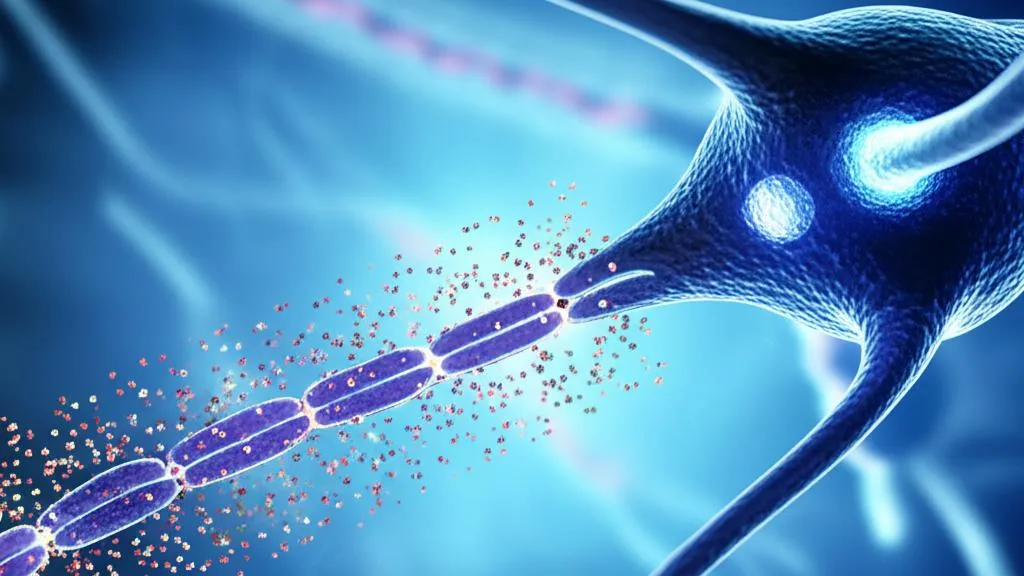
Your nerve cells, known scientifically as neurons, do not actually touch each other directly. Instead, there is a tiny microscopic gap between them called a synapse. To bridge this gap and pass a message along, nerve cells release specialized chemical substances. Those chemical substances are your neurotransmitters.
Simply put, a neurotransmitter is a chemical messenger that carries a signal from one nerve cell to another nerve cell, or to a muscle cell or gland cell. Without them, your body would come to a complete standstill.
These tiny messengers are essential for involuntary actions like breathing and your heartbeat. They are equally important for voluntary actions, such as thinking, feeling emotions, storing memories, and moving your arms and legs.
"Without neurotransmitters, our body would be like a city with no telephone service or internet. There would be zero coordination between different parts."
Where do these messengers live before they go to work? They stay safely stored inside tiny sac-like containers located at the very end of nerve cell fibers, known as axon terminals. These little sacs are called synaptic vesicles. A single tiny sac can hold thousands of neurotransmitter molecules ready to be released when a nerve signal arrives.
Who Are the Main Messengers in Our Body?
Medical researchers have discovered over 60 different types of neurotransmitters in the human body. Each one has special jobs and distinct functions. Some work together as a team. This others balance each other out. Let us look at the most important ones.
| Neurotransmitter | Main Job in Your Body / What Happens If Balance Is Lost? |
|---|---|
| Acetylcholine (ACh) | Main Job in Your Body: Helps control muscle movement so you can act on your thoughts. Also vital for memory and learning. What Happens If Balance Is Lost?: Low levels are found in people with Alzheimer disease, which can cause memory loss and confusion. |
| Dopamine (DA) | Main Job in Your Body: Often called the "reward chemical." Released when you eat tasty food or achieve a goal, giving you motivation. What Happens If Balance Is Lost?: Low levels are linked to Parkinson disease. Imbalances are also seen in certain mental health conditions. |
| Serotonin (5-HT) | Main Job in Your Body: Known as the "calming chemical." It helps regulate your daily mood, sleep cycles, and appetite. What Happens If Balance Is Lost?: Low levels are strongly connected to depression, anxiety disorders, and sleep disturbances. |
| Norepinephrine | Main Job in Your Body: Acts as both a hormone and neurotransmitter. Helps you stay alert and react to physical stress or danger. What Happens If Balance Is Lost?: Chronic high stress and anxiety are linked to this chemical. It can also influence high blood pressure. |
| GABA (Gamma-Aminobutyric Acid) | Main Job in Your Body: The primary calming messenger in the brain. It slows down excessive nerve activity like a car brake. What Happens If Balance Is Lost?: When GABA activity drops, people may experience severe anxiety, insomnia, or even seizures. |
| Glutamate | Main Job in Your Body: The main "exciting" messenger in the brain. It stimulates nerve cells and is essential for learning and memory. What Happens If Balance Is Lost?: Too much glutamate can overstimulate and damage nerve cells, which happens during a stroke or brain injury. |
Are There Other Important Messengers?
Yes, your body relies on many other specialized molecules as well. For example, oxytocin and vasopressin are powerful chemicals connected to feelings of love, social bonding, and trust.
Also, certain sex hormones like estrogen and testosterone can also act directly on brain cells, influencing your mood, energy, and emotional well-being in similar ways.
How Do These Messengers Work?
To understand how neurotransmitters influence your body, doctors and scientists group them into three major functional categories based on what they tell the receiving cell to do:
- Excitatory Messengers: As the name suggests, these chemicals stimulate the receiving nerve cell and give the command to pass the message forward. Think of this like pressing the accelerator pedal in a car. Glutamate is a classic example of an excitatory messenger.
- Inhibitory Messengers: These chemicals do the exact opposite job. They block or slow down the signal from moving forward, telling the nervous system to calm down. Think of this like pressing the brake pedal in a car. GABA is the primary inhibitory messenger in your brain.
- Modulatory Messengers: These are more complex chemicals. Instead of just firing a single message, they influence a whole group of nerve cells at the same time. Think of them like a manager who changes the entire team communication style. Dopamine and serotonin both act as modulatory chemicals.
Can Things Go Wrong in This System?
Yes, absolutely. Because your nervous system relies on precise chemical balances, several different issues can disrupt normal functioning:
- Your body might produce too much of a specific neurotransmitter.
- Your body might produce too little of a required neurotransmitter.
- The receptors on the receiving cell might fail to respond properly.
- After sending a message, the brain might reabsorb the chemical too quickly, leaving no time for the signal to register correctly.
- Certain medical conditions, chronic illnesses, and prescription medicines can alter how these chemicals behave.
When these chemical imbalances happen, they can trigger various health challenges. For instance:
In Alzheimer disease, low levels of acetylcholine impair memory. In major depression, reduced serotonin levels affect mood and energy. In Parkinson disease, specific brain cells that produce dopamine gradually degenerate and die.
If you experience persistent mood changes, ongoing sleep problems, memory struggles, or other unusual physical and emotional symptoms, it is very important to discuss them with your doctor. Qualified doctors can evaluate your symptoms and guide you toward safe, effective treatment options.
When to Seek Emergency Medical Help
While chronic neurotransmitter imbalances develop over time, certain neurological or mental health symptoms require urgent medical attention. Call 911 (US/Canada), 999 (UK), or go to your nearest Emergency Department (ER / A&E) right away if you or someone nearby experiences:
- Sudden severe confusion, disorientation, or inability to speak clearly.
- Thoughts of self-harm, suicide, or harming others.
- Sudden weakness or numbness, especially on one side of the body.
- Severe, sudden headache unlike anything experienced before.
Do's and Don'ts for Supporting Brain Health
Taking care of your nervous system involves healthy daily choices. Here is a simple guide on what to do and what to avoid:
| Do's (Healthy Habits) | Don'ts (Habits to Limit) |
|---|---|
|
|
💡 Take-Home Message
- Neurotransmitters are essential chemical messengers that keep your brain and nervous system functioning smoothly.
- Your emotions, thoughts, sleep, and movements rely entirely on the delicate balance of these chemical signals.
- Specific messengers like dopamine and serotonin have specialized roles in regulating reward, motivation, and calmness.
- Chemical imbalances are linked to medical conditions such as depression and Parkinson disease.
- Always consult a qualified doctor if you have health concerns, and avoid self-diagnosis.
Sources & Clinical References
- Cleveland Clinic. (2022). Neurotransmitters: What They Are, Functions & Types. Available from clinical health database.
- Mayo Clinic. (2023). Central Nervous System Health and Chemical Signaling. Patient Education Resource.
- National Health Service (NHS UK). (2023). Depression, Anxiety and Brain Chemistry Overview.
- Centers for Disease Control and Prevention (CDC). (2023). Mental Health and Neurological Well-being Guidelines.
- National Institutes of Health (NIH) / PubMed. (2022). Synaptic Transmission and Neurotransmitter Pathways in Human Physiology.




No comments yet. Be the first to share your question or experience below.