
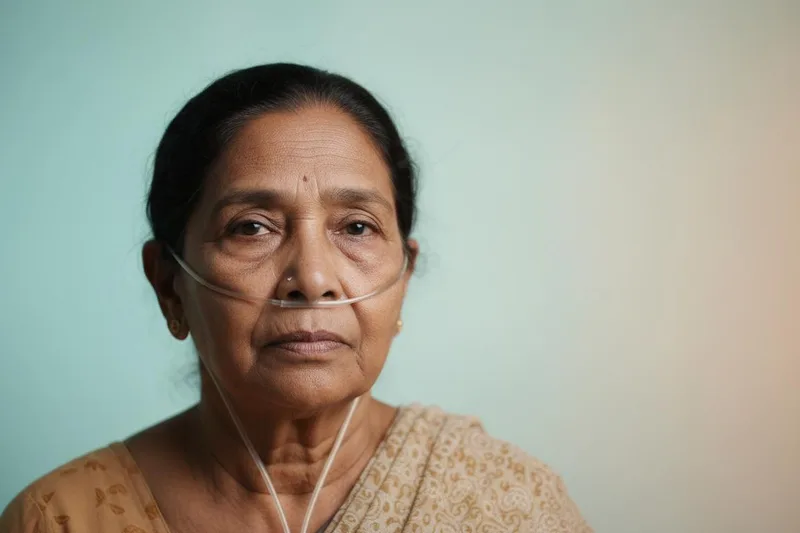
Do you sometimes feel a little difficult to breathe? Or maybe you have seen someone in your family, maybe a grandmother or grandfather, having this kind of difficulty. Some people are told by the doctor that they need to be given oxygen . Today we are going to talk about this medical device called 'Oxygen Concentrator' that is used at that time. Let's simply understand what it is, how it works, and what to be careful about while using it.
Simply put, what is an Oxygen Concentrator?
This is a medical device. If you have difficulty breathing due to a lung condition or other reason, this machine helps provide the body with the necessary amount of oxygen.
Think of an oxygen tank. When it runs out of oxygen, you have to go back and refill it. But this Oxygen Concentrator is different. What it does is take the normal air around us, remove the unwanted gases (especially nitrogen) from it, and create between 90% and 95% pure oxygen and give it to us. You can breathe this oxygen through a plastic mask that covers your mouth and nose, or through a ``Nasal Cannula`` that has two small plastic tubes that are inserted into your nostrils.
But this is very important: You should only use this device if your doctor recommends it for you. Taking in more oxygen than you feel comfortable with can damage your lungs in the long run.
What are the main types of food?
Oxygen concentrators can be divided into two main types. See this table to understand the differences.
| Type of device | Description and functionality |
|---|---|
| Stationary Oxygen Concentrator (the type that stays in one place) | These are a bit large and heavy (about 10 kilograms). But they have wheels for easy portability. These work from the current (electricity) in your home. So you have to plug them in. Some models come with a battery backup or a small oxygen tank to use in case the power goes out. |
| Portable Oxygen Concentrator | These are small in size and light in weight. So you can easily take them with you on a trip or out for work. However, the amount of oxygen they produce is usually a little less than the stationary type. These work with rechargeable batteries. |
What kind of conditions are these used for?
A doctor may recommend an oxygen concentrator for you if you have any of the following conditions:
- Asthma
- Bronchitis
- COPD ( Chronic Obstructive Pulmonary Disease ) is a long-term lung disease.
- Cystic Fibrosis
- Emphysema
- Heart Failure
- Lung Cancer
- Pneumonia
- Injuries to the respiratory system (e.g., broken ribs , collapsed lung)
- Sleep apnea
In addition, some people, such as athletes, use these, especially when going to high altitudes like mountains. Because the amount of oxygen in the air decreases as you go up in altitude. Since our body needs more oxygen when exercising, a device like this can help them at that time.
How is oxygen produced inside this machine?
The process is very interesting. Think of it like a super filter.
The air we breathe is only about 20% oxygen. The rest is mostly nitrogen gas. What this machine does is remove that nitrogen and leave only oxygen.
1. Air intake: First, the machine draws in the air around us through a filter.
2. Compressing the air: Next, the inhaled air is compressed (pressed) using a compressor, much like blowing air into a balloon.
3. Nitrogen separation: This compressed air is sent through a special filter system. The holes in these filters are very small. Since nitrogen molecules are larger than oxygen molecules, nitrogen gets stuck in these filters. However, the smaller oxygen molecules can pass through and pass through.
4. Providing oxygen: That separated, pure oxygen is collected and you breathe it through a tube.
How long can this be used continuously?
It depends on things like the type of machine you use and the number of batteries.
- Portable type: A machine with one battery usually works for between 2 and 6 hours. One with two batteries can work for between 5 and 13 hours.
- Stationary type: This is connected to the home's electrical system, so it works continuously as long as there is electricity.
How long should I take oxygen per day?
This is entirely up to your doctor. It will vary depending on your condition. Some people are recommended to use oxygen for at least 15 hours a day. Others may need it 24 hours a day.
If you have a short-term condition like pneumonia, you may only need to use it until the illness is cured. But if you have a long-term condition like COPD, you may need to use it for the rest of your life.
What are the benefits of this and the disadvantages we should be aware of?
Main advantages
The main benefit is that it makes breathing easier. This may not completely cure your condition, but it will greatly relieve your shortness of breath. When the oxygen level in your blood increases, you will feel less tired, have more energy, and sleep better.
The other big advantage is that you don't have to refill it like an oxygen tank when it runs out. You can get unlimited oxygen as long as you have electricity or battery power.
Disadvantages and safety considerations
This part is very important! Pure oxygen reacts very dangerously with fire.
Oxygen is not a flammable gas. But if oxygen is supplied to a fire, the fire will spread very quickly and violently. It could even cause an explosion.
Therefore, keep your Oxygen Concentrator at least 10 feet away from the following:
- Cigarettes, cigars
- Lit stove, bonfire
- Gas or electric ovens
- Barbecue grills
- Substances such as gasoline, kerosene, and thinner
- Oily things (e.g. petroleum jelly like Vaseline®)
- Rubbing Alcohol
Also, avoid using the following electrical appliances near this appliance, as sparks from them could cause a fire.
- Hair Dryers
- Electric Blankets
- Space Heaters
- Electric Razors
- Vape Pens
What time should you call a doctor?
While receiving oxygen therapy, if you develop symptoms of oxygen poisoning or hypoxia, you should notify your doctor immediately.
| Status | Symptoms to watch out for |
|---|---|
| When oxygen is too high (Oxygen Poisoning) |
|
| When there is not enough oxygen (Hypoxia) |
|
If you use a device like this, it's a good idea to have a Pulse Oximeter nearby. This is a small clip-like device that you attach to your finger. It allows you to easily monitor your blood oxygen levels.
Also, if you feel like your machine is not working properly, or if it is giving you any alerts, call your doctor immediately.
Take-Home Message
- An oxygen concentrator should only be used if recommended by a doctor.
- This device does not store oxygen. It produces pure oxygen from the surrounding air.
- Follow the time and flow rate prescribed by the doctor exactly.
- Be very careful about fire hazards. Always keep the device away from fire, excessive heat, and oily substances.
- Be aware of the symptoms of oxygen deficiency or hyperoxygenation. If you notice any of these symptoms, seek medical advice immediately.
- Keep a battery backup or other alternative ready in case of an emergency, such as a power outage.


💬 Comments (0)
No comments yet. Be the first to share your thoughts here.
Add Your Comment