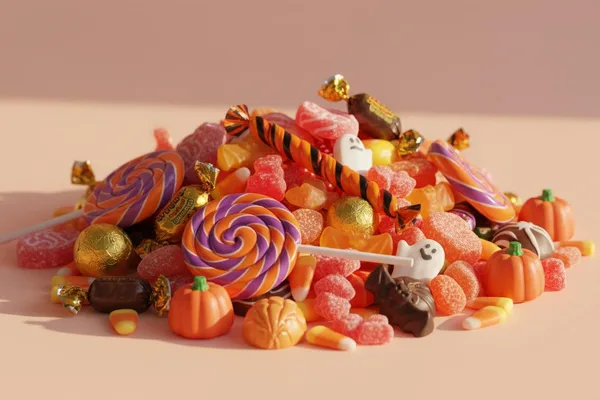
Let's talk about the candy that children get on Halloween. Some valuable advice for parents!

Let's talk about the candy that children get on Halloween. Some valuable advice for parents!

So, as another festive season approaches, especially on a day like Halloween celebrated in Western countries, our little ones get a lot of candy of all kinds, right? Sometimes, children get such sweets at various festivals and birthday parties in our country too. So, as a mother or father who cares about the health of their children , you may also be wondering, "Oh, how do you control this sweet food? Should you let your child eat as much as they want? Or should you set a limit?" There really is no one right answer to this. But let's talk about this a little, it will help you choose the method that suits you best.
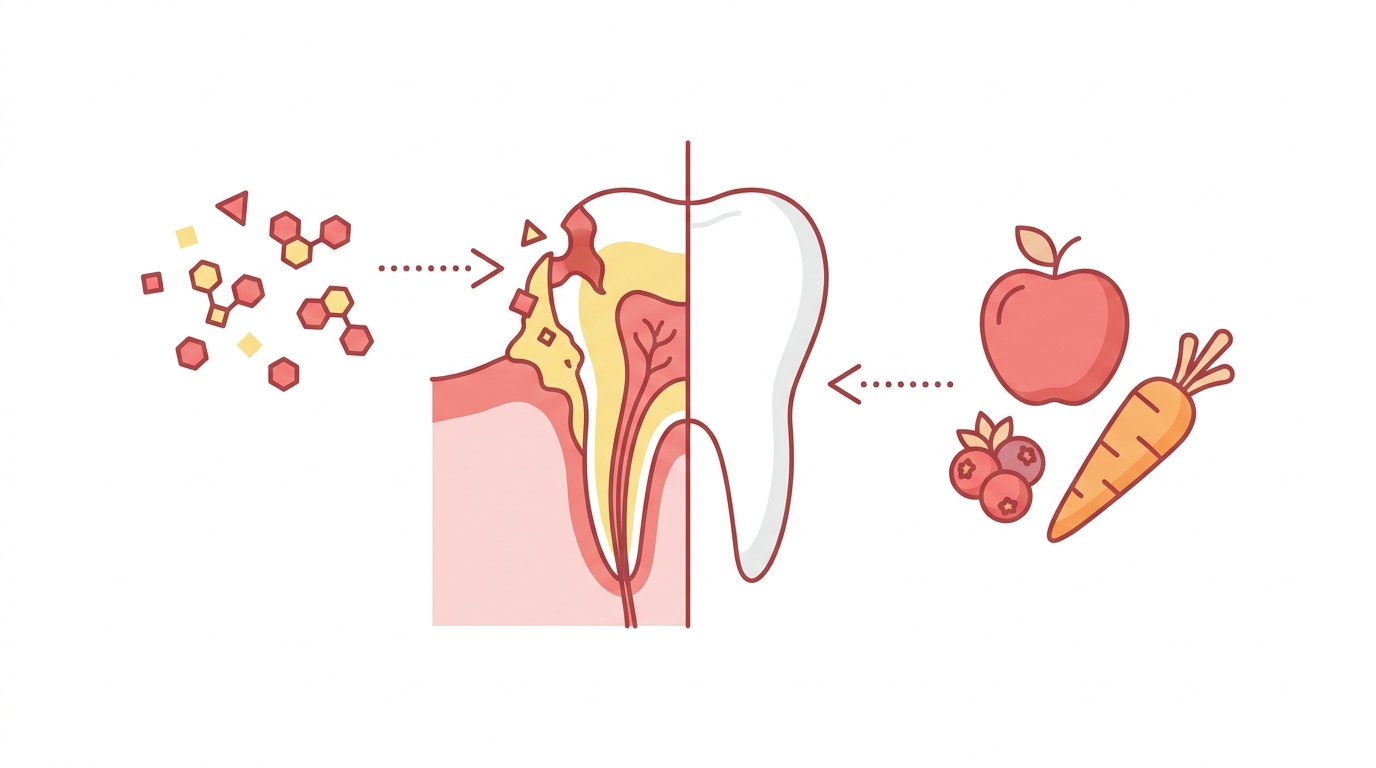
Why do we have to think so much about this sweetness?

Simply put, too much of anything is not good. Sweetness is one such thing.

  • Possible damage to teeth: Eating sweets regularly, especially chocolate and toffee, can lead to tooth decay . If your teeth become stained at a young age, it can be very troublesome for your child.
  • Health effects: When a large amount of sugar is consumed at once, the blood sugar level can suddenly increase and then decrease. This can make the child feel lethargic and tired . Also, eating too much sugar in the long run can lead to unnecessary weight gain in the child , and may even lead to diseases like `(Type 2 Diabetes Mellitus)` in the future.
  • Eating habits : If a child is exposed to sweet tastes from a young age, their interest in healthy foods like vegetables and fruits may decrease .

But I'm not saying this to scare you, okay? Just to be a little understanding. Eating a little sweetness on a festive day isn't a big deal, it's how we manage it that matters.

Should we do these things before going "Trick-or-Treat"?

It is a tradition for children to go from house to house on Halloween and collect sweets called "Trick or Treat". Although there is no such special thing in our country, you can still collect a lot of sweets like this when you go to a birthday party or New Year's celebration, right? So, try these things before you go.

  • Give your child a good meal: Before he or she goes to the place where they are going to collect sweets, give him or her a well-balanced meal to fill his or her stomach . This will reduce the desire to eat sweets when he or she is hungry. Think about it, when you are hungry, you feel like eating whatever food comes your way.
  • Talk early: It is very important to talk to your child about sweets early.
  • "Son/daughter, you're going to get a lot of chocolate today. But we won't eat it all at once, okay?"
  • "Let's go home and see how much you found. Then you and mom/dad can talk and decide how to eat a little bit."

This way, by coming to a small agreement in advance, you can reduce many problems that arise later.

How do you manage the pile of sweets you brought home?

Okay, so now you've come home with a bag of sweets. What do you do now?

Let's see how many there are first.

Count the sweets your child has received with them. You can even make this a little game. "Oh... look how many chocolates Nimal has received!" Then the child will also have an idea of ​​how much he has.

Where do you keep these?

This is a very important matter.

  • Do not keep this sweet treat in your child's bedroom for any reason . Just think, how can a small child tolerate a box of chocolates right in front of their eyes? It can be an irresistible temptation for them.
  • The best thing is to keep these sweets in a place where the child can't see them often and can't easily get to them. Maybe in an upper cupboard in the kitchen.

Do you set limits or let your child decide for themselves?

This is really something you need to decide based on your child's behavior and eating habits.

  • There are some children who eat one or two and save the rest for later. If that's the case, it's okay to let them make some decisions. But it's good to keep an eye on them.
  • But if your child is the type who tries to eat everything they get at once, you definitely need to set a small limit.

"Okay, son, let's eat these two chocolates and this toffee for today. We'll eat the rest tomorrow, okay?" Talk lovingly, and involve your child in the decision. That way, he won't feel like you've imposed a big restriction.

A little relaxation on a festive day

On special occasions like Halloween or birthdays, it's okay to eat a little more sweets than usual. But it should be within limits. Then talk to your child about how to eat the remaining sweets in small portions over the next few days. Maybe one or two a day.

Most importantly: Don't let your child skip their main meals (breakfast, lunch, and dinner) because of this sweetness. It's okay to eat a piece of candy when your stomach is full, but eating candy when you're hungry is not a good habit.

Shall we also be an example?

When teaching good habits to children, it is very important to see if we do those things ourselves.

  • If you yourself are the one who eats sweets in abundance, it's not fair to tell your child to "not eat them," right? So, if you also eat sweets, eat them in moderation.
  • Another little secret: A good way to reduce the amount of sweets you bring home is to buy them at the last minute. This will reduce the temptation for you and the rest of the family to eat them in vain.
  • If you have a lot of sweets left over after the party, give some of them to strangers, or throw them away if you have to. (Although this is a bit of a pain, it is sometimes necessary when thinking about health.)

"I feel like I have enough" – let's tell this to the child

This is a very valuable thing: teaching a child to listen to their body .

  • "Son, would you like some more chocolate? Or are you full?"
  • "If you feel full or upset while eating, is it okay to stop?"

Teaching your child to eat only the amount they need (mindful eating) in this way will be a valuable lesson for their entire life.

Other things you can give instead of sweets

You don't always have to give sweets to people who ask you for sweets, or even to your child. Here are a few ideas:

Non-food treats

  • Beautiful stickers
  • Small toys (small ones like cars, dolls)
  • Temporary tattoos (little ones love these)
  • Set of fake teeth for play (good for pranks)
  • Small bottles for making soap balls
  • Small toys (e.g., a deck of cards)
  • These kinds of things can usually be easily found at party supply stores.

Some healthy foods

  • Packet of small pretzels
  • Small packets of trail mix (you can also make these at home)
  • Small boxes of raisins
  • Sugar -free sweetener (this is also available in stores now, but it's not as good as it should be)
  • Small boxes of cereal that are eaten without milk

Be careful about things that are dangerous for small children!

Don't forget this too. Especially when giving to very young children (under 3 years old), be careful about things they could choke on.

  • Small hard toffees
  • Small pieces that can come off toys
  • Some nuts

Think twice before giving things like this.

Finally, remember: this is only one day a year!

Now, after all this, you might be thinking, "Wow, this is a big hassle." But don't think so.

Halloween, New Year's, Christmas, and birthdays come only a limited number of days a year. If your family eats healthily the rest of the time, a small "mistake" on one or two days won't make a big difference.

The most important thing is balance . There's a big difference between giving your child sweets all the time and giving them a little something on a special day. So, it's best to let your child have a little fun on days like these and manage it wisely.

Finally, remember this.(Take-Home Message)

Okay, so let's remind you of a few things we've talked about that we think are important to you:

  • Preparation is the first thing: before your child is exposed to a lot of sweets, talk to him or her and give him or her a good snack.
  • Talk about limits: Set appropriate limits based on your child's age and behavior. Involve your child in the decision.
  • Sweets: Keep them out of sight and out of reach of children.
  • Be a role model: The way you control your sweet tooth is a great example for your child.
  • Think about alternatives: You don't always have to give sweets. You can also give healthy snacks or small non-food gifts.
  • Look at the big picture: If you're healthy most of the year, don't worry too much about a little sweet treat on a special day.

So, whether this Halloween or any other celebration, you should all be able to enjoy sweets with your child in a fun and sensible way! Then the child will be happy, and you will be happy too!

👩🏽‍⚕️ Additional questions (FAQs)

💬 How dangerous is it for children to eat too much sweet food and chocolate (candy) during the festive season?

Sweets are always dangerous for children. When children suddenly consume a lot of sugar, they become hyperactive and have trouble sleeping.It also reduces immunity. Also, eating toffee frequently definitely affects tooth decay.

💬 Is it practical to keep children completely away from sweet foods?

It's best to avoid giving it to children under 2 years of age altogether. But if you forbid it to older children, they may be tempted to sneak it in. So instead of completely banning it, it's best to give them just a small piece as a dessert after a main meal.

💬 What are some healthy sweet treats that can be given to children instead of sugary toffees and chocolates?

Things like ripe fruits (bananas, papaya), sweets made with natural honey, and dried fruits are very beneficial.


` Sweet taste, children's health, Halloween, festive food, sugar, parenting advice, healthy habits

⚠️ Important: The medical articles and information on Nirogi Lanka are for general awareness only, and are by no means a substitute for professional medical advice, diagnosis, or treatment. For any medical problem you have, consult a qualified physician immediately.

💬 Comments (0)

No comments yet. Be the first to share your thoughts here.

Add Your Comment

Please calculate: 6 + 7 =
Let's talk about the candy that children get on Halloween. Some valuable advice for parents!
Nutrition and FoodApril 2, 2026

Let's talk about the candy that children get on Halloween. Some valuable advice for parents!

So, as another festive season approaches, especially on a day like Halloween celebrated in Western countries, our little ones get a lot of candy of all kinds, right? Sometimes, children get such sweets at various festivals and birthday parties in our country too. So, as a mother or father who cares about the health of their children , you may also be wondering, "Oh, how do you control this sweet food? Should you let your child eat as much as they want? Or should you set a limit?" There really is no one right answer to this. But let's talk about this a little, it will help you choose the method that suits you best.

Why do we have to think so much about this sweetness?

Simply put, too much of anything is not good. Sweetness is one such thing.

  • Possible damage to teeth: Eating sweets regularly, especially chocolate and toffee, can lead to tooth decay . If your teeth become stained at a young age, it can be very troublesome for your child.
  • Health effects: When a large amount of sugar is consumed at once, the blood sugar level can suddenly increase and then decrease. This can make the child feel lethargic and tired . Also, eating too much sugar in the long run can lead to unnecessary weight gain in the child , and may even lead to diseases like `(Type 2 Diabetes Mellitus)` in the future.
  • Eating habits : If a child is exposed to sweet tastes from a young age, their interest in healthy foods like vegetables and fruits may decrease .

But I'm not saying this to scare you, okay? Just to be a little understanding. Eating a little sweetness on a festive day isn't a big deal, it's how we manage it that matters.

Should we do these things before going "Trick-or-Treat"?

It is a tradition for children to go from house to house on Halloween and collect sweets called "Trick or Treat". Although there is no such special thing in our country, you can still collect a lot of sweets like this when you go to a birthday party or New Year's celebration, right? So, try these things before you go.

  • Give your child a good meal: Before he or she goes to the place where they are going to collect sweets, give him or her a well-balanced meal to fill his or her stomach . This will reduce the desire to eat sweets when he or she is hungry. Think about it, when you are hungry, you feel like eating whatever food comes your way.
  • Talk early: It is very important to talk to your child about sweets early.
  • "Son/daughter, you're going to get a lot of chocolate today. But we won't eat it all at once, okay?"
  • "Let's go home and see how much you found. Then you and mom/dad can talk and decide how to eat a little bit."

This way, by coming to a small agreement in advance, you can reduce many problems that arise later.

How do you manage the pile of sweets you brought home?

Okay, so now you've come home with a bag of sweets. What do you do now?

Let's see how many there are first.

Count the sweets your child has received with them. You can even make this a little game. "Oh... look how many chocolates Nimal has received!" Then the child will also have an idea of ​​how much he has.

Where do you keep these?

This is a very important matter.

  • Do not keep this sweet treat in your child's bedroom for any reason . Just think, how can a small child tolerate a box of chocolates right in front of their eyes? It can be an irresistible temptation for them.
  • The best thing is to keep these sweets in a place where the child can't see them often and can't easily get to them. Maybe in an upper cupboard in the kitchen.

Do you set limits or let your child decide for themselves?

This is really something you need to decide based on your child's behavior and eating habits.

  • There are some children who eat one or two and save the rest for later. If that's the case, it's okay to let them make some decisions. But it's good to keep an eye on them.
  • But if your child is the type who tries to eat everything they get at once, you definitely need to set a small limit.

"Okay, son, let's eat these two chocolates and this toffee for today. We'll eat the rest tomorrow, okay?" Talk lovingly, and involve your child in the decision. That way, he won't feel like you've imposed a big restriction.

A little relaxation on a festive day

On special occasions like Halloween or birthdays, it's okay to eat a little more sweets than usual. But it should be within limits. Then talk to your child about how to eat the remaining sweets in small portions over the next few days. Maybe one or two a day.

Most importantly: Don't let your child skip their main meals (breakfast, lunch, and dinner) because of this sweetness. It's okay to eat a piece of candy when your stomach is full, but eating candy when you're hungry is not a good habit.

Shall we also be an example?

When teaching good habits to children, it is very important to see if we do those things ourselves.

  • If you yourself are the one who eats sweets in abundance, it's not fair to tell your child to "not eat them," right? So, if you also eat sweets, eat them in moderation.
  • Another little secret: A good way to reduce the amount of sweets you bring home is to buy them at the last minute. This will reduce the temptation for you and the rest of the family to eat them in vain.
  • If you have a lot of sweets left over after the party, give some of them to strangers, or throw them away if you have to. (Although this is a bit of a pain, it is sometimes necessary when thinking about health.)

"I feel like I have enough" – let's tell this to the child

This is a very valuable thing: teaching a child to listen to their body .

  • "Son, would you like some more chocolate? Or are you full?"
  • "If you feel full or upset while eating, is it okay to stop?"

Teaching your child to eat only the amount they need (mindful eating) in this way will be a valuable lesson for their entire life.

Other things you can give instead of sweets

You don't always have to give sweets to people who ask you for sweets, or even to your child. Here are a few ideas:

Non-food treats

  • Beautiful stickers
  • Small toys (small ones like cars, dolls)
  • Temporary tattoos (little ones love these)
  • Set of fake teeth for play (good for pranks)
  • Small bottles for making soap balls
  • Small toys (e.g., a deck of cards)
  • These kinds of things can usually be easily found at party supply stores.

Some healthy foods

  • Packet of small pretzels
  • Small packets of trail mix (you can also make these at home)
  • Small boxes of raisins
  • Sugar -free sweetener (this is also available in stores now, but it's not as good as it should be)
  • Small boxes of cereal that are eaten without milk

Be careful about things that are dangerous for small children!

Don't forget this too. Especially when giving to very young children (under 3 years old), be careful about things they could choke on.

  • Small hard toffees
  • Small pieces that can come off toys
  • Some nuts

Think twice before giving things like this.

Finally, remember: this is only one day a year!

Now, after all this, you might be thinking, "Wow, this is a big hassle." But don't think so.

Halloween, New Year's, Christmas, and birthdays come only a limited number of days a year. If your family eats healthily the rest of the time, a small "mistake" on one or two days won't make a big difference.

The most important thing is balance . There's a big difference between giving your child sweets all the time and giving them a little something on a special day. So, it's best to let your child have a little fun on days like these and manage it wisely.

Finally, remember this.(Take-Home Message)

Okay, so let's remind you of a few things we've talked about that we think are important to you:

  • Preparation is the first thing: before your child is exposed to a lot of sweets, talk to him or her and give him or her a good snack.
  • Talk about limits: Set appropriate limits based on your child's age and behavior. Involve your child in the decision.
  • Sweets: Keep them out of sight and out of reach of children.
  • Be a role model: The way you control your sweet tooth is a great example for your child.
  • Think about alternatives: You don't always have to give sweets. You can also give healthy snacks or small non-food gifts.
  • Look at the big picture: If you're healthy most of the year, don't worry too much about a little sweet treat on a special day.

So, whether this Halloween or any other celebration, you should all be able to enjoy sweets with your child in a fun and sensible way! Then the child will be happy, and you will be happy too!

👩🏽‍⚕️ Additional questions (FAQs)

💬 How dangerous is it for children to eat too much sweet food and chocolate (candy) during the festive season?

Sweets are always dangerous for children. When children suddenly consume a lot of sugar, they become hyperactive and have trouble sleeping.It also reduces immunity. Also, eating toffee frequently definitely affects tooth decay.

💬 Is it practical to keep children completely away from sweet foods?

It's best to avoid giving it to children under 2 years of age altogether. But if you forbid it to older children, they may be tempted to sneak it in. So instead of completely banning it, it's best to give them just a small piece as a dessert after a main meal.

💬 What are some healthy sweet treats that can be given to children instead of sugary toffees and chocolates?

Things like ripe fruits (bananas, papaya), sweets made with natural honey, and dried fruits are very beneficial.


` Sweet taste, children's health, Halloween, festive food, sugar, parenting advice, healthy habits

⚠️ Important: The medical articles and information on Nirogi Lanka are for general awareness only, and are by no means a substitute for professional medical advice, diagnosis, or treatment. For any medical problem you have, consult a qualified physician immediately.

💬 Comments (0)

No comments yet. Be the first to share your thoughts here.

Add Your Comment

Please calculate: 6 + 7 =