

Hello there! You are standing at a very exciting milestone in your life right now. You are stepping out into the world as a young adult ready to take on new adventures. Because of this big change, you need to start paying close attention to your personal health. That is why the health checkup at age 20, often called a young adult or well-child visit, is so important for you.
Some people might wonder why it is still called a well-child visit when you feel fully grown up. The truth is that this visit helps make sure you are growing properly, staying healthy, and learning the right habits to keep you well for years to come. Let us walk through everything you need to know about this important medical visit today.
Key Takeaways at Age 20.
- Track Growth and Vitals: Your doctor will check your height, weight, BMI, and blood pressure.
- Build Healthy Habits: Focus on balanced meals, regular physical activity, and sleeping 7 to 9 hours nightly.
- Mental Health Matters: Screening tests help spot early signs of stress or depression.
- Stay Up to Date: Review your vaccines and lab test needs with your doctor.
What Happens During This Medical Checkup?
When you visit your doctor for a checkup, they will perform a few routine steps to get a clear picture of your overall health. There is nothing to feel nervous or worried about since these steps are completely normal and safe.
First Things Measured.
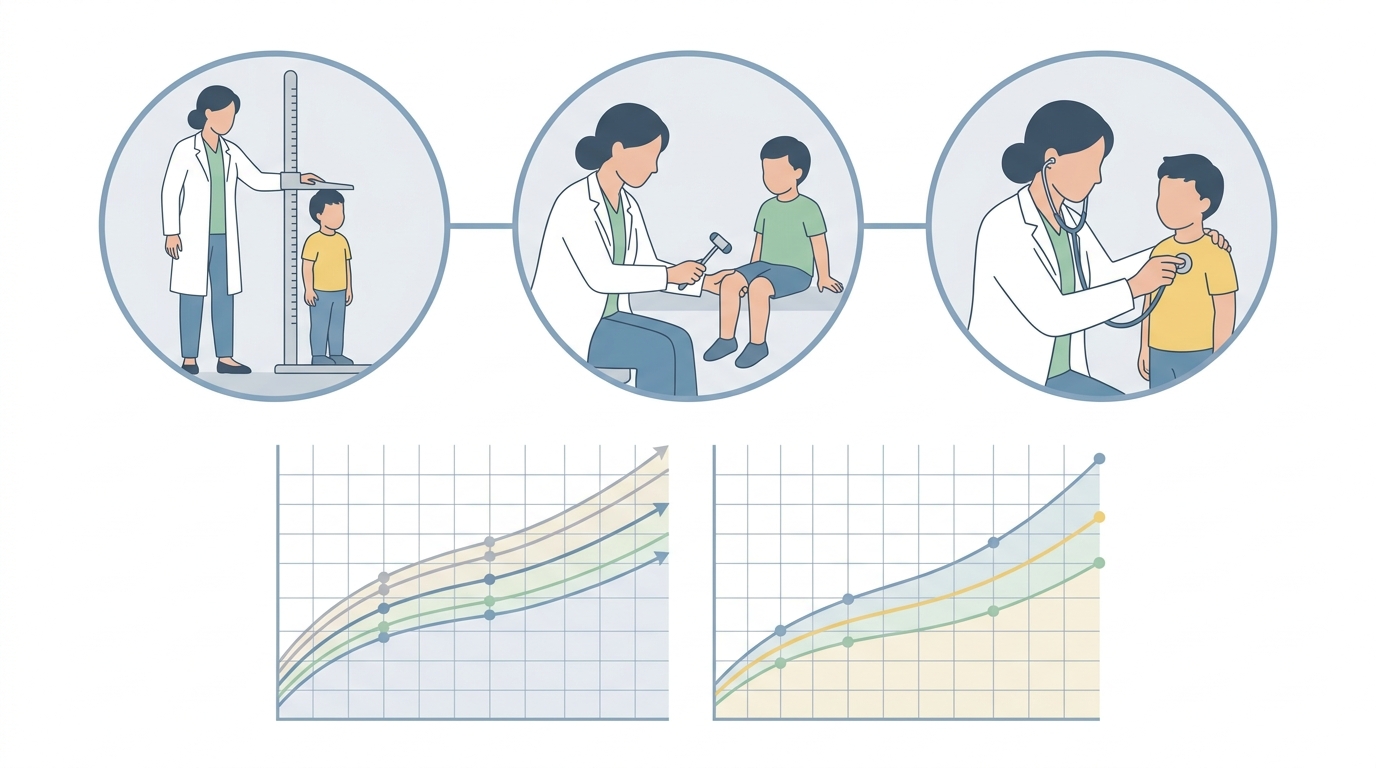
First, the clinic staff will measure your weight and height carefully. They use these numbers to calculate your body mass index, which helps show if your weight matches your height in a healthy way. They will record these numbers on your growth chart so your doctor can track your development over time.
Next, they will check your blood pressure to make sure your heart health is on track. They may also test your hearing to ensure your senses are working properly. These routine checks form the foundation of your preventive care.
Your doctor will also screen for mood changes or depression using a simple questionnaire. Mental health is just as important as physical health. This check helps spot any early struggles so you can get support right away.
Questions Your Doctor Will Ask and Advice They Will Give.
Your doctor or nurse will talk with you about your daily habits, lifestyle choices, and personal goals. This conversation is the best time for you to ask any health questions on your mind.
- Eating Healthy Food: Eating a balanced diet is very important during your youth. Try to eat three main meals every day packed with lean proteins like fish, chicken, eggs, and lentils. Add five servings of fruits and vegetables daily along with whole grains like brown rice and whole-wheat bread. Include three daily servings of dairy or fortified soy milk for strong bones. Limit foods high in added sugar, heavy fats, and excess salt while cutting down on sugary sodas and candies.
- Getting Enough Sleep: You need seven to nine hours of quality sleep every single night at this age. Missing out on sleep can lower your focus and hurt your performance at school or work. Try to build a relaxing bedtime routine to help your mind wind down. Turn off phones and computers at least one hour before bed because bright screens keep your brain awake.
- Staying Physically Active: Aim for about 150 minutes of moderate exercise like brisk walking or 75 minutes of vigorous activity like running each week. Regular movement keeps your heart strong and boosts your mood.
- Your Growth and Development: Reaching age 20 brings big mental and emotional shifts. You start building a strong sense of self and value close personal friendships over large group circles. You grow much more independent from your parents and begin thinking about life in deeper, more abstract ways while planning your long-term future.
Remember that all these changes are a natural part of growing up and becoming a mature adult. Talking about them with your doctor can help you feel much more confident.
The Physical Exam.
Next, your doctor will perform a gentle physical examination to check your body.
- They will check your skin and listen closely to your heartbeat and lungs using a stethoscope.
- If you are a young woman, your doctor may refer you to a gynecologist to check your reproductive health.
- If you are a young man, your doctor will check your testicles to look for hernias, lumps, or swollen veins known as varicocele so any issues get treated early.
Giving Vaccines.
Vaccines protect your body from dangerous and contagious diseases. If you missed any booster shots or need new ones, your doctor can give them during this visit. Ask your doctor which shots are due on your current immunization schedule.
Lab Tests If Needed.
If your doctor feels it is necessary based on your health history, they may suggest simple blood tests. These tests can check for anemia, high cholesterol levels, tuberculosis, hepatitis C, or sexually transmitted diseases. Catching these hidden issues early lets you start treatment right away.
Looking Ahead: Your Health and Safety.
This medical checkup is not just about your physical body. It is also a great chance to plan ahead for a safe and bright future.
Your Responsibilities to Yourself.
- Plan Your Future: Think about your personal goals, whether you want to pursue higher education or start a career.
- Keep Doing What You Love: Make time for hobbies, sports, art, and community activities that bring you joy and peace.
- Fulfill Your Daily Duties: Manage your responsibilities at your workplace or school with care.
- Ask for Help When Needed: Never feel shy about asking family members, trusted adults, or health professionals for support.
- Learn Stress Relief: Practice healthy ways to calm your mind like deep breathing, meditation, or talking with a good friend.
- Know Depression Signs: Watch out for lasting sadness, losing interest in fun activities, dropping grades, or dark thoughts, and get professional help right away.
- Switch to an Adult Doctor: If you still visit a pediatrician, now is the time to transition to a primary care doctor who treats adults.
- Care for Your Teeth: Brush twice a day with fluoride toothpaste and floss daily. Visit your dentist twice a year to keep your smile healthy.
Safety Matters Too.
Your personal safety is entirely in your hands, so make smart choices every day.
- Always buckle your seatbelt every time you ride in a car.
- Never text, talk on the phone, or look at screens while driving a vehicle.
- If you are sexually active, use condoms and birth control to prevent unwanted pregnancies and infections. Discuss this openly with your doctor.
- Walk away from violent or disrespectful relationships that hurt your mental well-being.
- Apply sunscreen with SPF 30 or higher fifteen minutes before going outside and reapply every two hours. Never use indoor tanning beds.
- Stay away from smoking, vaping, alcohol, and illegal drugs. Do not take prescription medicines that were not prescribed directly for you.
- Never drive after drinking alcohol or taking drugs, and never ride with a driver who has been drinking. Always plan for a safe ride home.
When to Seek Emergency Help.
Get emergency medical care right away by calling 911 (US/Canada) or 999 (UK) or visiting your nearest emergency room if you experience any of these red flag symptoms:
- Sudden, severe chest pain or crushing pressure.
- Severe trouble breathing or sudden shortness of breath.
- Sudden confusion, fainting, or loss of consciousness.
- Thoughts of self-harm or hurting others.
One More Quick Thing.
- Keep dangerous items like sharp tools and chemical poisons securely locked away where children cannot reach them. Avoid keeping firearms in the home if possible. If you must keep a gun, lock it securely unloaded in one place and store ammunition separately in a locked box.
- If you face tough living conditions like a lack of food, safe housing, or health insurance, tell your doctor. They can connect you with community resources and social workers who can help.
| Healthy Choice. | Risky Habit to Avoid. |
|---|---|
| Eating three balanced meals with plenty of fresh fruits and vegetables. | eating sugary drinks and greasy fast food every day. |
| Sleeping 7 to 9 hours nightly and turning off screens before bed. | Staying up late scrolling social media on your phone. |
| Wearing your seatbelt and avoiding phone use while driving. | Driving while distracted or riding with an impaired driver. |
Final Thoughts to Remember.
You can now see how important this age 20 health checkup truly is for your future. This visit is not just about checking your body. It helps you gain the knowledge and confidence you need to face adult life successfully.
The most important thing is to talk openly and honestly with your doctor. Share any questions, worries, or fears you might have. Always remember that your doctor is your greatest friend on your health journey.
We hope these helpful tips guide you toward a long, happy, and healthy future!






No comments yet. Be the first to share your question or experience below.