Have you been having body aches and a fever lately? Could it be Chikungunya?

Have you been having body aches and a fever lately? Could it be Chikungunya?
These days, there is talk about some kind of disease everywhere. Some people have symptoms like fever, body aches, and joint pains. So today we are going to talk about a disease called Chikungunya, which is spread by mosquitoes and causes similar symptoms. You may not have heard of this before, or you may have heard a little about it. However, it is very important to know exactly what it is.

What is Chikungunya? Simply put...

Chikungunya is a viral infection . When it hits our bodies, it causes a sudden fever, joint pain, muscle pain, and swelling. Do you remember the Dengue fever and Zika viruses? The same type of mosquito that transmits those viruses also transmits the Chikungunya virus. That is, the disease is transmitted when a mosquito carrying the Chikungunya virus bites you. But don't worry, most cases of Chikungunya go away on their own. However, it can be more serious for young children and people with other conditions, such as diabetes. There is currently a vaccine for adults to protect against Chikungunya, but there is no vaccine for children yet. Therefore, protecting ourselves from mosquitoes is the best way to protect our families from this disease.

What are the symptoms of Chikungunya?

Symptoms usually appear between 2 and 10 days after being bitten by a mosquito carrying the chikungunya virus. See if these symptoms sound familiar to you:
  • Sudden, high fever: The fever suddenly increases, not gradually like with a common cold.
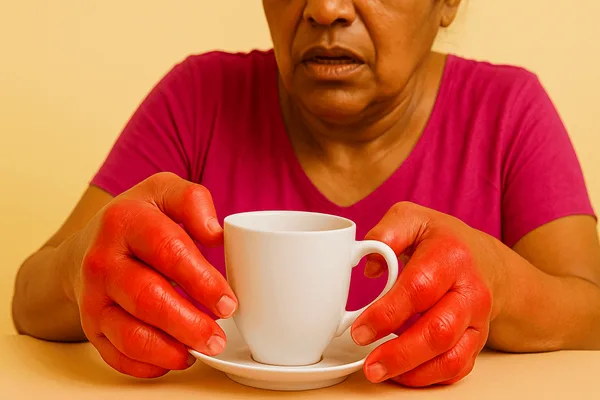
  • Joint pain and swelling: Joints like the fingers, wrists, and ankles start to hurt a lot, and sometimes swell. This is one of the main and most uncomfortable symptoms of chikungunya.
  • Muscle pain: The muscles in the body hurt badly.
  • Nausea: Feeling like an upset stomach, like you're about to vomit .
  • Headache : Severe headache
  • Skin rash: Some people may develop small red blisters on their body.
  • Extreme fatigue: Feeling so tired that you can't do anything.
  • Redness of the eyes: Sometimes the eyes may become red.
These symptoms usually subside within a week or two. However, some people may have muscle or joint pain for months or even years. This can be a bit of a bother. Rarely, this infection can cause problems with the nervous system, heart, or eyes. Chikungunya can be dangerous, especially for newborns and people with conditions like diabetes, heart disease, or high blood pressure.It can be more serious. So people like that need to be very careful. [embed]https://www.youtube.com/watch?v=v6KkEFyxFDc[/embed]

How do we get Chikungunya?

This is very simple. Chikungunya is usually spread through mosquito bites. Imagine, a mosquito bites a person who has chikungunya. Then that mosquito also gets the chikungunya virus. Then, when that mosquito with the virus goes and bites a healthy person, that person also gets chikungunya. It's just like dengue is spread.
That means, the mosquito is the carrier here. It is the mosquito that carries the virus from one person to another.
It is very rare for a pregnant mother to pass chikungunya to her baby. This is especially likely to happen during the second trimester (weeks 13-26). The baby can also be infected during childbirth, which can be very serious for the baby. However, the risk of contracting chikungunya through breastfeeding is very low. However, if you are breastfeeding and have chikungunya, or if you live in an area where chikungunya is common, it is best to talk to a doctor.

How is Chikungunya diagnosed? How does a doctor confirm this?

If you have symptoms of chikungunya, a doctor will first ask you about your symptoms. They will also ask if you have recently traveled, especially to an area where chikungunya is common. This is because there are areas where the disease is most common:
  • Some parts of Africa, Asia, America, and Europe
  • Islands of the Indian and Pacific Oceans
In addition, the doctor will ask you to take a blood test. This blood test is the only way to confirm whether the chikungunya virus is present in the body or not. When doctors suspect this disease, they also consider the weather. Because mosquitoes are very active in hot weather. Therefore, if these symptoms occur during the rainy season or on hot days, it is normal to suspect chikungunya.

How is Chikungunya treated?

The good news is that most chikungunya infections resolve on their own. This means that no specific treatment is needed. However, there are things you can do to manage your symptoms and speed up your recovery:
  • Get plenty of rest: It is very important to get plenty of rest because it is hard on the body.
  • Drink plenty of fluids: Having a fever can cause dehydration . So drink plenty of fluids like water, fruit juice , and fluids.
  • Paracetamol ( Acetaminophen ) for fever and pain:You can take a painkiller like paracetamol (Acetaminophen) to reduce fever and relieve body aches and joint pain.
However, do not take painkillers like ibuprofen without a doctor's advice. Also, do not give aspirin to infants and young children unless specifically recommended by a doctor, as it can cause a serious condition called Reye's syndrome.
The most important thing is to seek treatment based on medical advice, not just take medication as you please.
If you continue to have occasional muscle or joint pain, be sure to talk to a doctor again.

How to protect yourself from Chikungunya? What are the prevention methods?

"It's better to prevent the disease than to suffer from it." The same applies to chikungunya. Currently, there is a vaccine called IXCHIQ to protect people over the age of 18 from chikungunya. This vaccine is usually given to those who are traveling to an area where chikungunya is common. In addition, placing mosquito nets around beds in areas where chikungunya and other mosquito-borne diseases (such as dengue) are common is a good way to protect yourself from mosquito bites. Here are some other ways to protect yourself from mosquito bites:
  • Prevent mosquitoes from entering your home: Install screens on doors and windows. If there are broken screens, repair them immediately. Keep doors and windows without screens closed.
  • Cover your skin: Wear long-sleeved clothing, long pants, shoes, and socks when going outside.
  • Use insect repellent : Use a mosquito repellent that contains DEET or Picaridin. Choose one that is suitable for your family.
  • Reduce exposure to sunlight during sunrise and sunset: These are the times when mosquitoes are most active.
  • Eliminate mosquito breeding sites : Mosquitoes lay their eggs in areas where water is stagnant. Therefore, do not let water collect in places like buckets, empty flower pots, garbage cans, roof gutters, and old tires. Always empty and clean birdbaths, dog bowls, and flower vases. This is also something we do to protect ourselves from dengue.
If these things are followed correctly, you can protect yourself from not only chikungunya, but also many mosquito-borne diseases like dengue.

Other important things to know

If you and your family are planning to travel to an area where chikungunya is prevalent, be sure to talk to a doctor. If you are at high risk of exposure to the virus, or if you are at risk of developing a serious infection, consider getting the chikungunya vaccine (IXCHIQ).

As a summary, let's remember these points:

Okay, so let's recap the most important points we've discussed about Chikungunya:
  • Chikungunya is a viral infection transmitted by mosquitoes. The same type of mosquito that transmits dengue and Zika is responsible for this.
  • The main symptoms are sudden fever, severe joint pain, and muscle pain.
  • Although it often resolves on its own, it can be serious for some people (especially babies and those with other medical conditions). Joint pain can last a long time.
  • Prevention is the best way to prevent mosquito bites. Avoid mosquito breeding sites.
  • If you have symptoms, seek medical advice.
  • There is a vaccine for adults, especially those traveling to high-risk areas, called ``IXCHIQ''.
So, I hope this information is useful to you. Take care!

⚠️ Important: The medical articles and information on Nirogi Lanka are for general awareness only, and are by no means a substitute for professional medical advice, diagnosis, or treatment. For any medical problem you have, consult a qualified physician immediately.

💬 Comments (0)

No comments yet. Be the first to share your thoughts here.

Add Your Comment

Please calculate: 1 + 7 =
Have you been having body aches and a fever lately? Could it be Chikungunya?

Have you been having body aches and a fever lately? Could it be Chikungunya?

These days, there is talk about some kind of disease everywhere. Some people have symptoms like fever, body aches, and joint pains. So today we are going to talk about a disease called Chikungunya, which is spread by mosquitoes and causes similar symptoms. You may not have heard of this before, or you may have heard a little about it. However, it is very important to know exactly what it is.

What is Chikungunya? Simply put...

Chikungunya is a viral infection . When it hits our bodies, it causes a sudden fever, joint pain, muscle pain, and swelling. Do you remember the Dengue fever and Zika viruses? The same type of mosquito that transmits those viruses also transmits the Chikungunya virus. That is, the disease is transmitted when a mosquito carrying the Chikungunya virus bites you. But don't worry, most cases of Chikungunya go away on their own. However, it can be more serious for young children and people with other conditions, such as diabetes. There is currently a vaccine for adults to protect against Chikungunya, but there is no vaccine for children yet. Therefore, protecting ourselves from mosquitoes is the best way to protect our families from this disease.

What are the symptoms of Chikungunya?

Symptoms usually appear between 2 and 10 days after being bitten by a mosquito carrying the chikungunya virus. See if these symptoms sound familiar to you:
  • Sudden, high fever: The fever suddenly increases, not gradually like with a common cold.
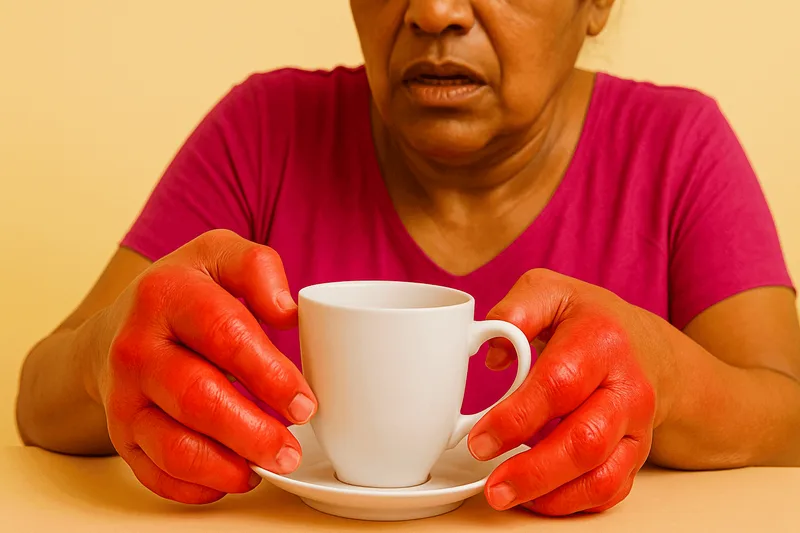
  • Joint pain and swelling: Joints like the fingers, wrists, and ankles start to hurt a lot, and sometimes swell. This is one of the main and most uncomfortable symptoms of chikungunya.
  • Muscle pain: The muscles in the body hurt badly.
  • Nausea: Feeling like an upset stomach, like you're about to vomit .
  • Headache : Severe headache
  • Skin rash: Some people may develop small red blisters on their body.
  • Extreme fatigue: Feeling so tired that you can't do anything.
  • Redness of the eyes: Sometimes the eyes may become red.
These symptoms usually subside within a week or two. However, some people may have muscle or joint pain for months or even years. This can be a bit of a bother. Rarely, this infection can cause problems with the nervous system, heart, or eyes. Chikungunya can be dangerous, especially for newborns and people with conditions like diabetes, heart disease, or high blood pressure.It can be more serious. So people like that need to be very careful. [embed]https://www.youtube.com/watch?v=v6KkEFyxFDc[/embed]

How do we get Chikungunya?

This is very simple. Chikungunya is usually spread through mosquito bites. Imagine, a mosquito bites a person who has chikungunya. Then that mosquito also gets the chikungunya virus. Then, when that mosquito with the virus goes and bites a healthy person, that person also gets chikungunya. It's just like dengue is spread.
That means, the mosquito is the carrier here. It is the mosquito that carries the virus from one person to another.
It is very rare for a pregnant mother to pass chikungunya to her baby. This is especially likely to happen during the second trimester (weeks 13-26). The baby can also be infected during childbirth, which can be very serious for the baby. However, the risk of contracting chikungunya through breastfeeding is very low. However, if you are breastfeeding and have chikungunya, or if you live in an area where chikungunya is common, it is best to talk to a doctor.

How is Chikungunya diagnosed? How does a doctor confirm this?

If you have symptoms of chikungunya, a doctor will first ask you about your symptoms. They will also ask if you have recently traveled, especially to an area where chikungunya is common. This is because there are areas where the disease is most common:
  • Some parts of Africa, Asia, America, and Europe
  • Islands of the Indian and Pacific Oceans
In addition, the doctor will ask you to take a blood test. This blood test is the only way to confirm whether the chikungunya virus is present in the body or not. When doctors suspect this disease, they also consider the weather. Because mosquitoes are very active in hot weather. Therefore, if these symptoms occur during the rainy season or on hot days, it is normal to suspect chikungunya.

How is Chikungunya treated?

The good news is that most chikungunya infections resolve on their own. This means that no specific treatment is needed. However, there are things you can do to manage your symptoms and speed up your recovery:
  • Get plenty of rest: It is very important to get plenty of rest because it is hard on the body.
  • Drink plenty of fluids: Having a fever can cause dehydration . So drink plenty of fluids like water, fruit juice , and fluids.
  • Paracetamol ( Acetaminophen ) for fever and pain:You can take a painkiller like paracetamol (Acetaminophen) to reduce fever and relieve body aches and joint pain.
However, do not take painkillers like ibuprofen without a doctor's advice. Also, do not give aspirin to infants and young children unless specifically recommended by a doctor, as it can cause a serious condition called Reye's syndrome.
The most important thing is to seek treatment based on medical advice, not just take medication as you please.
If you continue to have occasional muscle or joint pain, be sure to talk to a doctor again.

How to protect yourself from Chikungunya? What are the prevention methods?

"It's better to prevent the disease than to suffer from it." The same applies to chikungunya. Currently, there is a vaccine called IXCHIQ to protect people over the age of 18 from chikungunya. This vaccine is usually given to those who are traveling to an area where chikungunya is common. In addition, placing mosquito nets around beds in areas where chikungunya and other mosquito-borne diseases (such as dengue) are common is a good way to protect yourself from mosquito bites. Here are some other ways to protect yourself from mosquito bites:
  • Prevent mosquitoes from entering your home: Install screens on doors and windows. If there are broken screens, repair them immediately. Keep doors and windows without screens closed.
  • Cover your skin: Wear long-sleeved clothing, long pants, shoes, and socks when going outside.
  • Use insect repellent : Use a mosquito repellent that contains DEET or Picaridin. Choose one that is suitable for your family.
  • Reduce exposure to sunlight during sunrise and sunset: These are the times when mosquitoes are most active.
  • Eliminate mosquito breeding sites : Mosquitoes lay their eggs in areas where water is stagnant. Therefore, do not let water collect in places like buckets, empty flower pots, garbage cans, roof gutters, and old tires. Always empty and clean birdbaths, dog bowls, and flower vases. This is also something we do to protect ourselves from dengue.
If these things are followed correctly, you can protect yourself from not only chikungunya, but also many mosquito-borne diseases like dengue.

Other important things to know

If you and your family are planning to travel to an area where chikungunya is prevalent, be sure to talk to a doctor. If you are at high risk of exposure to the virus, or if you are at risk of developing a serious infection, consider getting the chikungunya vaccine (IXCHIQ).

As a summary, let's remember these points:

Okay, so let's recap the most important points we've discussed about Chikungunya:
  • Chikungunya is a viral infection transmitted by mosquitoes. The same type of mosquito that transmits dengue and Zika is responsible for this.
  • The main symptoms are sudden fever, severe joint pain, and muscle pain.
  • Although it often resolves on its own, it can be serious for some people (especially babies and those with other medical conditions). Joint pain can last a long time.
  • Prevention is the best way to prevent mosquito bites. Avoid mosquito breeding sites.
  • If you have symptoms, seek medical advice.
  • There is a vaccine for adults, especially those traveling to high-risk areas, called ``IXCHIQ''.
So, I hope this information is useful to you. Take care!
⚠️ Important: The medical articles and information on Nirogi Lanka are for general awareness only, and are by no means a substitute for professional medical advice, diagnosis, or treatment. For any medical problem you have, consult a qualified physician immediately.

💬 Comments (0)

No comments yet. Be the first to share your thoughts here.

Add Your Comment

Please calculate: 1 + 7 =