
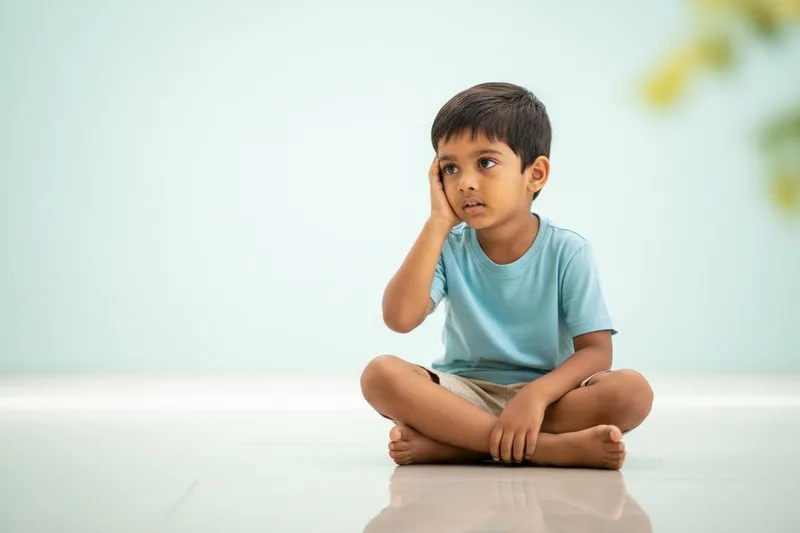
Concussion is a condition that occurs when the head is hit... Teachers and parents, should we be aware of this?

Concussion is a condition that occurs when the head is hit... Teachers and parents, should we be aware of this?

It's normal for children to get minor injuries when they play, run, or jump. But sometimes when they hit their head somewhere, it can be a little more serious. That's what a `(Concussion)` is. Shall we talk about this simply and precisely? Because it's very important to be aware of this.

What is a concussion? Let's understand it simply.

Simply put, a `(Concussion)` is a temporary injury to the brain. It's like our brain is shaken a little, causing a small disruption in the way it works. This happens when we get a hard blow to the head, or when the head moves quickly due to a strong blow to the body. Think about it, our brain is like a soft jelly, it is protected by a liquid inside the skull. But when a sudden hard blow hits, this brain can hit the inside of the skull. That's when this `(Concussion)` condition occurs.

This doesn't always cause major brain damage, such as bleeding. But some brain cells are temporarily affected. Just like when a phone falls to the ground, it sometimes stops working for a while.

What symptoms might a child show when they have a concussion?

Before a child with a concussion returns to school, doctors will check to see if they can tolerate the symptoms for about 30-45 minutes (about one period). Even then, there may be some symptoms in the early days. Therefore, the child may need special support. Look for these things in your child/student:

  • Headache: This is the most common symptom. Sometimes it can come and go.
  • A feeling of blurred vision: as if looking through a fog, unable to see clearly.
  • Fatigue, frequent sleepiness: The body may feel very tired as the brain tries to recover.
  • Difficulty concentrating and remembering: When studying or listening to the teacher, it can be difficult to keep your mind focused. It can also be difficult to remember things you have learned before.
  • Light sensitivity: The eyes can feel sharp light coming from the front, even sunlight.
  • Feeling sad, easily angered: There may also be a slight change in mood. You may become more easily upset and sad than before.

These symptoms can vary from one child to another. Some may have all of them, while others may have just one or two.

What kind of help does the child need at school?

When a child returns to school after recovering from a concussion, they may need the following support and assistance. It is best for teachers and parents to be aware of these and discuss them together to make arrangements:

  • Reducing the time spent at school: It may be difficult for a child to stay at school all day in the first few days.
  • Reducing the number of classes: Perhaps allowing only core subjects to be attended.
  • Giving extra time for homework, assignments, quizzes, and tests: Because it's hard for him to concentrate and remember.
  • Tutoring: Helps to cover missed lessons.
  • Lesson notes and study guides provided by the school: This is a great help if your child has difficulty taking notes on their own.
  • Opportunities to take breaks: Since it's hard to study continuously, allowing yourself to take a short break in between.
  • Taking a break from work that requires a lot of attention (like exams) for a while: Don't overload your brain.
  • Giving them the opportunity to catch up on schoolwork they missed during the holidays.
  • Allowing the use of sunglasses because the light is bright.

Important: Every child recovers at a different pace, so the help one child needs may be different from another.

What if the symptoms persist or worsen?

Sometimes, if a child's concussion symptoms persist or seem to be getting worse, they may need more formal support from school. In such cases:

  • Special Education Plans: A special plan such as a ``504 plan'' or an ``IEP - Individualized Education Program'' can help ensure that your child receives the services they need. While these are things that are available in the American education system, in Sri Lanka, the school can provide the special support your child needs in a similar way.
  • Progress monitoring methods: You can also monitor whether the child is recovering as expected through a method such as ``RTI - Response to Intervention protocol''.

You can decide about these things by talking to the school principal and class teacher.

What can teachers do if a child shows signs of a concussion at school?

Imagine that a child in your class hits their head and comes back the next day complaining of a headache or any of the symptoms mentioned above. There are a few things you can do as a teacher:

  • If the symptoms are mild: Encourage the child to try to wait until the period is over (about 30-45 minutes). He can rest for a while with his head on the desk.
  • You should see the school nurse at this time:
  • If symptoms last more than 30-45 minutes.
  • If new symptoms appear, or existing ones increase.
  • If the symptoms are too severe for the child to bear.

Teachers, remember: If your student's symptoms do not improve after two weeks, tell the school nurse or principal. The nurse can contact the child's parents and advise them to see a doctor again. If necessary, the school can provide further support.

What other important things to know?

It is very important to keep these things in mind:

  • Being allowed to go to school after a concussion does not mean that you are allowed to play, participate in physical education, or engage in activities that could cause a head injury again. This is a very important point. Your child should definitely be kept away from such activities until their doctor says it is "okay to play now."
  • If a child hits their head while at school, they should be taken to the school nurse immediately. Don't ignore a minor injury.
  • Every child recovers from a concussion differently. Some may recover in a few days, while others may take a few weeks. Therefore, the most important thing is to support the child with patience, love, and understanding . With the help of everyone - family, friends, and teachers - the child will gradually recover and be able to resume the activities they were doing before.

Finally, things to remember (Take-Home Message)

I hope you've taken some important points into consideration from what we've talked about.

  • A concussion is a temporary effect on the brain. It can occur when the head is hit.
  • Symptoms may include headaches, blurred vision, fatigue, and lack of concentration.
  • The child may need special help at school (such as extra time for homework, recess).
  • Do not start playing or doing physical education without medical advice until symptoms subside. This is very important.
  • If a child hits their head at school, notify the nurse immediately.
  • Every child recovers at a different pace. Be patient and supportive.

We hope this information is useful to you. Let's all be mindful of the safety and well-being of our children!


` Concussion, brain injury, child health, school health, head injury, symptoms, teacher advice

Frequently Asked Questions (FAQ)

What if the symptoms persist or worsen?

Sometimes, if a child's concussion symptoms persist or seem to be getting worse, they may need more formal support from school. In such cases:

⚠️ Important: The medical articles and information on Nirogi Lanka are for general awareness only, and are by no means a substitute for professional medical advice, diagnosis, or treatment. For any medical problem you have, consult a qualified physician immediately.

💬 Comments (0)

No comments yet. Be the first to share your thoughts here.

Add Your Comment

Please calculate: 3 + 5 =
Concussion is a condition that occurs when the head is hit... Teachers and parents, should we be aware of this?

Concussion is a condition that occurs when the head is hit... Teachers and parents, should we be aware of this?

It's normal for children to get minor injuries when they play, run, or jump. But sometimes when they hit their head somewhere, it can be a little more serious. That's what a `(Concussion)` is. Shall we talk about this simply and precisely? Because it's very important to be aware of this.

What is a concussion? Let's understand it simply.

Simply put, a `(Concussion)` is a temporary injury to the brain. It's like our brain is shaken a little, causing a small disruption in the way it works. This happens when we get a hard blow to the head, or when the head moves quickly due to a strong blow to the body. Think about it, our brain is like a soft jelly, it is protected by a liquid inside the skull. But when a sudden hard blow hits, this brain can hit the inside of the skull. That's when this `(Concussion)` condition occurs.

This doesn't always cause major brain damage, such as bleeding. But some brain cells are temporarily affected. Just like when a phone falls to the ground, it sometimes stops working for a while.

What symptoms might a child show when they have a concussion?

Before a child with a concussion returns to school, doctors will check to see if they can tolerate the symptoms for about 30-45 minutes (about one period). Even then, there may be some symptoms in the early days. Therefore, the child may need special support. Look for these things in your child/student:

  • Headache: This is the most common symptom. Sometimes it can come and go.
  • A feeling of blurred vision: as if looking through a fog, unable to see clearly.
  • Fatigue, frequent sleepiness: The body may feel very tired as the brain tries to recover.
  • Difficulty concentrating and remembering: When studying or listening to the teacher, it can be difficult to keep your mind focused. It can also be difficult to remember things you have learned before.
  • Light sensitivity: The eyes can feel sharp light coming from the front, even sunlight.
  • Feeling sad, easily angered: There may also be a slight change in mood. You may become more easily upset and sad than before.

These symptoms can vary from one child to another. Some may have all of them, while others may have just one or two.

What kind of help does the child need at school?

When a child returns to school after recovering from a concussion, they may need the following support and assistance. It is best for teachers and parents to be aware of these and discuss them together to make arrangements:

  • Reducing the time spent at school: It may be difficult for a child to stay at school all day in the first few days.
  • Reducing the number of classes: Perhaps allowing only core subjects to be attended.
  • Giving extra time for homework, assignments, quizzes, and tests: Because it's hard for him to concentrate and remember.
  • Tutoring: Helps to cover missed lessons.
  • Lesson notes and study guides provided by the school: This is a great help if your child has difficulty taking notes on their own.
  • Opportunities to take breaks: Since it's hard to study continuously, allowing yourself to take a short break in between.
  • Taking a break from work that requires a lot of attention (like exams) for a while: Don't overload your brain.
  • Giving them the opportunity to catch up on schoolwork they missed during the holidays.
  • Allowing the use of sunglasses because the light is bright.

Important: Every child recovers at a different pace, so the help one child needs may be different from another.

What if the symptoms persist or worsen?

Sometimes, if a child's concussion symptoms persist or seem to be getting worse, they may need more formal support from school. In such cases:

  • Special Education Plans: A special plan such as a ``504 plan'' or an ``IEP - Individualized Education Program'' can help ensure that your child receives the services they need. While these are things that are available in the American education system, in Sri Lanka, the school can provide the special support your child needs in a similar way.
  • Progress monitoring methods: You can also monitor whether the child is recovering as expected through a method such as ``RTI - Response to Intervention protocol''.

You can decide about these things by talking to the school principal and class teacher.

What can teachers do if a child shows signs of a concussion at school?

Imagine that a child in your class hits their head and comes back the next day complaining of a headache or any of the symptoms mentioned above. There are a few things you can do as a teacher:

  • If the symptoms are mild: Encourage the child to try to wait until the period is over (about 30-45 minutes). He can rest for a while with his head on the desk.
  • You should see the school nurse at this time:
  • If symptoms last more than 30-45 minutes.
  • If new symptoms appear, or existing ones increase.
  • If the symptoms are too severe for the child to bear.

Teachers, remember: If your student's symptoms do not improve after two weeks, tell the school nurse or principal. The nurse can contact the child's parents and advise them to see a doctor again. If necessary, the school can provide further support.

What other important things to know?

It is very important to keep these things in mind:

  • Being allowed to go to school after a concussion does not mean that you are allowed to play, participate in physical education, or engage in activities that could cause a head injury again. This is a very important point. Your child should definitely be kept away from such activities until their doctor says it is "okay to play now."
  • If a child hits their head while at school, they should be taken to the school nurse immediately. Don't ignore a minor injury.
  • Every child recovers from a concussion differently. Some may recover in a few days, while others may take a few weeks. Therefore, the most important thing is to support the child with patience, love, and understanding . With the help of everyone - family, friends, and teachers - the child will gradually recover and be able to resume the activities they were doing before.

Finally, things to remember (Take-Home Message)

I hope you've taken some important points into consideration from what we've talked about.

  • A concussion is a temporary effect on the brain. It can occur when the head is hit.
  • Symptoms may include headaches, blurred vision, fatigue, and lack of concentration.
  • The child may need special help at school (such as extra time for homework, recess).
  • Do not start playing or doing physical education without medical advice until symptoms subside. This is very important.
  • If a child hits their head at school, notify the nurse immediately.
  • Every child recovers at a different pace. Be patient and supportive.

We hope this information is useful to you. Let's all be mindful of the safety and well-being of our children!


` Concussion, brain injury, child health, school health, head injury, symptoms, teacher advice

Frequently Asked Questions (FAQ)

What if the symptoms persist or worsen?

Sometimes, if a child's concussion symptoms persist or seem to be getting worse, they may need more formal support from school. In such cases:

⚠️ Important: The medical articles and information on Nirogi Lanka are for general awareness only, and are by no means a substitute for professional medical advice, diagnosis, or treatment. For any medical problem you have, consult a qualified physician immediately.

💬 Comments (0)

No comments yet. Be the first to share your thoughts here.

Add Your Comment

Please calculate: 3 + 5 =