

It can be a big problem and a worry for you if your child is still wetting his underwear after he's been toilet trained. You may be thinking, "Oh my god, is he doing this on purpose? Or is he just lazy?" But in reality, many children over the age of 4 who are toilet trained still wetting their underwear may have an underlying cause that they can't control. This is what we call encopresis in medical terms.
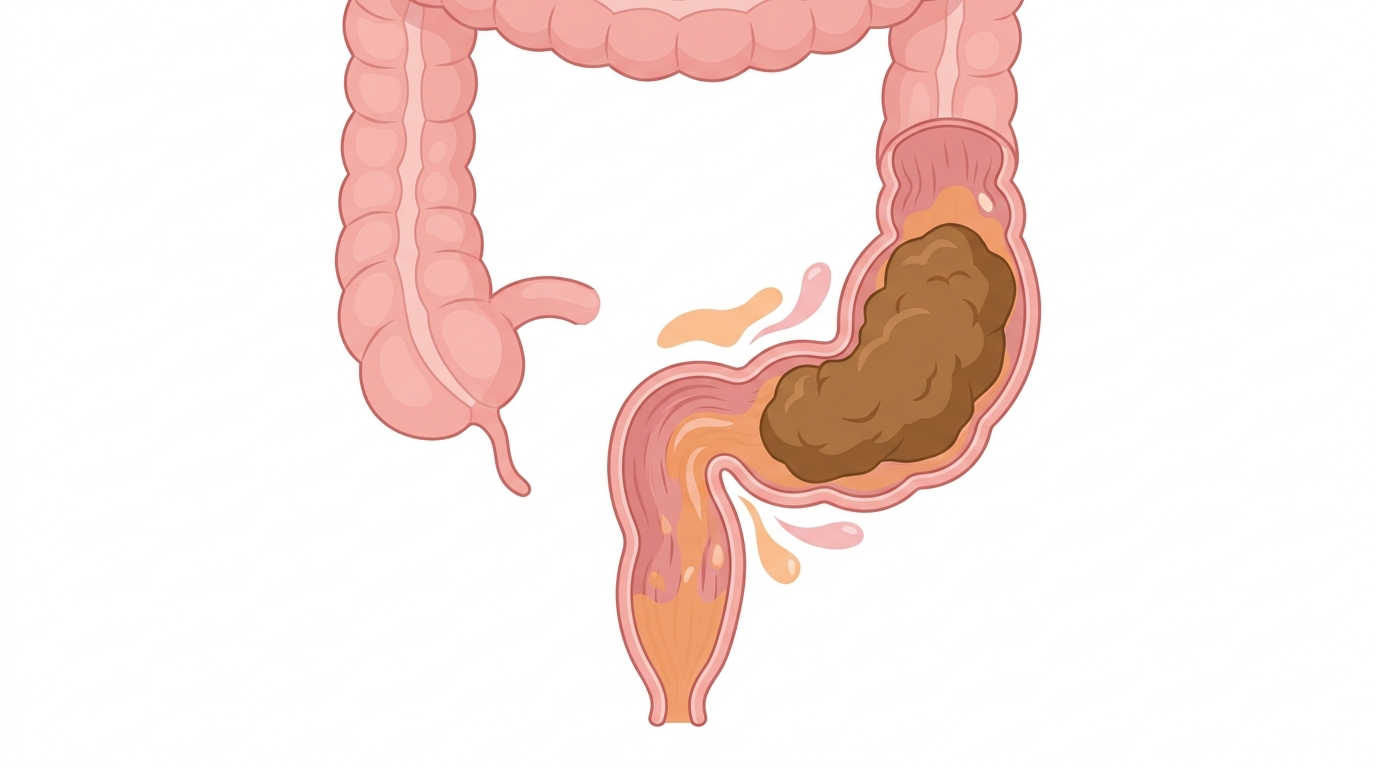
What exactly is encopresis?
Simply put, encopresis is the involuntary passage of stool outside the toilet, usually in one's underwear, without the child realizing it. It most often affects children after the age of 4, when they are old enough to understand that they need to go to the toilet.
The most important thing is that this is not a disease. That is, this is not a separate disease. But, it is a symptom that occurs due to certain reasons. Like a fever. A fever is not a disease, it is a symptom of some infection. That's it. Because of some problem in the child's excretory system, the normal signal that he needs to go to the toilet, that is, the feeling of 'I have a bowel movement', is not felt properly. Then, because they cannot control it, the stool comes out in their underwear like that. Therefore , blaming and scolding the child will not help. The most important thing is for you to understand that they are not doing this on purpose.
Why does encopresis occur?
Most of the time, that is, more than 90 percent (90%+) of encopresis is caused by constipation . Yes, you heard right, constipation. Now you might be thinking, "How can you wear underwear when you're constipated? Then you just can't." Let's explain that a little.
A person with constipation often has hard, dry stools that are difficult to pass. So what do they do when a small child has to poop with such difficulty and pain? They are afraid of the pain and start to stop pooping and start to 'hold in'. Imagine, your child cries because of the pain when they go to poop. The next time they have a bowel movement, they remember that pain. Then they try to hold it in instead of passing it.
What happens when you keep 'holding on' like this?
1. Stool becomes harder and drier: The body absorbs water from the stool in the rectum (the final part of the large intestine where stool is temporarily stored). This causes the stool to become drier and more like a hard lump.
2. The rectum becomes larger: Due to this accumulation of stool, the lower part of the rectum gradually stretches and becomes larger. Just like a balloon that continues to inflate, it becomes larger.
3. Sensory nerves become weak:When the rectum becomes this large, the nerves in its walls are less able to send the signal to the brain that the stool is full and that the child needs to go to the toilet. This means that the child does not feel the fullness of the stool.
4. Soiling: Now that hard stool is stuck in the rectum, the new, slightly liquid stool will escape around the hard stool and start leaking uncontrollably into the underwear. The child doesn't even feel this. Because that signaling system is weakened.
This is like adding more water to a bucket that is already full of water and it overflows. There is a lot of solid dirt inside, but the new, liquid dirt passes through it and comes out without the child even noticing.
That's why a child with constipation develops encopresis. It's not the child's fault, it's not laziness, it's not intentional.
So, what exactly is constipation?
Now that we've talked about constipation being the main cause of encopresis, it's important to understand exactly what constipation is.
What is considered "normal" bowel movements can vary from person to person. Some children poop once or twice a day. Others poop only three or four times a week.
Think about it this way: if a child poops once every 3 days, but he or she only poops soft, normal-sized poop, and does so without any difficulty or pain, then that child cannot be said to have constipation.
So when is constipation?
- If a child poops throughout the day, but the poop comes out in small, hard lumps (some say like goat poop), it may be constipation.
- Even if a child poops about once every two days, if the stool is very hard, dry, or looks like a large lump , that is also constipation.
- When I do the Kakka , my face turns red and I don't do it right even if I do it for a long time.
- If the child still feels like there is something left in the stomach, it hasn't gone completely, or says so, even after pooping.
- Sometimes this condition can be accompanied by a stomach ache.
- Sometimes there may be a little blood with the stool (the rectum has been scratched due to the hard stool).
Simply put, constipation is not just about the frequency of bowel movements. The texture of the stool (hard or dry), the ease of passing it, and whether it is completely passed are also important. Sometimes children may not say they are constipated. But if they are reluctant to go to the toilet to poop, if they spend a lot of time on the toilet, or if they constantly complain about stomach pain, you should be a little suspicious.
What can you do as a parent?
When you find out that your child has this condition, you may feel sad, worried, and maybe even angry. But the most important thing is to stay calm and understanding. There are several things you can do.
1. Seek medical advice: The first and most important thing to do is to take your child to a qualified doctor. The doctor will examine the child and determine whether the cause of this condition is actually constipation or something else (although rare, there may be other medical reasons). He will also advise you on the necessary treatment. Never do anything that comes to your mind or what others say without medical advice. Sometimes the doctor may recommend medicines ( laxatives ) that help loosen stool. But this should be done under medical supervision, in the prescribed dosage, and for a prescribed period of time.
2. Don't blame, scold, or punish your child: As we've talked about before, this is not something the child does intentionally. If you blame, scold, or punish them, they will only become more depressed and embarrassed. They may become afraid and the situation may worsen. Your love, kindness, and understanding are what your child needs at this time. Tell them, "Son/daughter, this is not your fault, we will work together to fix this."
3. Changes in diet:
- Fiber-rich foods: Add more fiber-rich foods to your child's diet. Greens (spinach, kale, collard greens), vegetables (carrots, beans, okra), fruits (especially papaya, bananas, mangoes, pineapples), and whole grains (whole wheat, barley, oats, brown rice) are great. These help soften stools and make them easier to pass.
- Enough water: Give your child enough water to drink each day. Not drinking enough water can cause hard, dry stools. Ask your family health worker or doctor about the appropriate amount for your child's age.
- Reduce processed foods and sweets: Reduce your intake of things like sausages, meatballs, sweet drinks, toffee, chocolate, foods with artificial flavors , and instant noodles. These can contribute to constipation and are also low in nutritional value.
4. Regular Toilet Routine:
- At the same time every day, especially after main meals (15-30 minutes after breakfast and dinner), put your child on the toilet for about 5-10 minutes. It doesn't matter if they have pooped or not. This will help the body get used to a natural bowel movement pattern.
- Give your child a small footstool to put their feet on when they are on the toilet. This will make it physically easier to defecate because their knees are slightly higher than their hips.
- Make this time a pleasant experience for your child. Let them read a book, or just talk to them. Don't force them, keep it light.
5. Positive Reinforcement:
- If your child poops in the toilet (even a little), praise them a lot. Say something like, "Well done, son/daughter, you worked really hard." Give them a sticker they like as a small incentive, or set aside a little extra time to play with them.
- Don't punish him or make him look bad for wearing underwear. Even then, speak kindly to him and encourage him by saying, "It's okay, let's try again."
- This is a process that takes some time. It won't heal overnight, or in a week. Be patient, and face this together with your child.
Remember, you are not alone. There are other parents who are facing this problem. You can get help from people like doctors, nutritionists, and family health workers. Don't be ashamed or afraid.
So, what are the most important things to remember from what we've talked about?
Okay, so, from what we've talked about about encopresis and constipation, there are a few things that need to be firmly embedded in your mind.
- Encopresis is not a deliberate, bad thing that a child does. It is usually caused by constipation, is difficult for the child to control, and requires medical attention.
- Don't scold, punish, or shame your child. Instead, give your best love, support, and understanding.
- If you suspect you have this condition, be sure to see a doctor and begin treatment as directed.
- Diet and toilet habits are very important in managing this condition. Eat a diet rich in fiber, drink plenty of water, and establish regular toilet habits.
- This is a treatment that takes time. It can take several months. Be patient and work with your child. Don't expect quick results.
- There are doctors, midwives, and perhaps even child psychiatrists you can talk to about this and get advice from. Don't be ashamed to ask for help.
Your support, patience, and the right steps are essential for your child to overcome this unpleasant experience. With your efforts and love, your child will be able to recover quickly and be happy . Don't panic, do the right thing.
` Encopresis, constipation, bowel problems in children, bowel movements in underwear, child health, bowel movements, constipation in children
Doctor's Note
Encopresis is a serious but treatable condition in young children. The main reason for this is chronic constipation. When a hard stool (impacted stool) is stuck in the rectum, the liquid stool in the upper part of the intestines, bypassing it, secretly leaks and stains the underwear. The child should not be blamed or shamed as this is not something the child is doing on purpose. This is treated with fiber-rich foods and the use of laxatives as prescribed by the doctor.
❓ Some more questions you may encounter (FAQ)
What is the main cause of encopresis?▼
The main reason is constipation. This condition occurs when the child controls the bowel movement due to the fear of defecation or the desire to play.
Why is it wrong to blame my child for this?▼
The child is completely unable to control this leakage (involuntary), and the child can become very depressed due to blame and the situation can become worse.
How to manage child's encopresis at home?▼
After eating daily, the child should be made to sit on the toilet for 10-15 minutes (Toilet routine), fiber-rich foods (vegetables, fruits) and fluids should be given in abundance.




💬 Comments (0)
No comments yet. Be the first to share your thoughts here.
Add Your Comment