

If you live in a country with a strong immunization program, polio might sound like a distant worry from the past. Because vaccines successfully controlled this dangerous infection, many parents rarely hear about it today. However, polio is not a disease we can afford to forget or ignore completely.
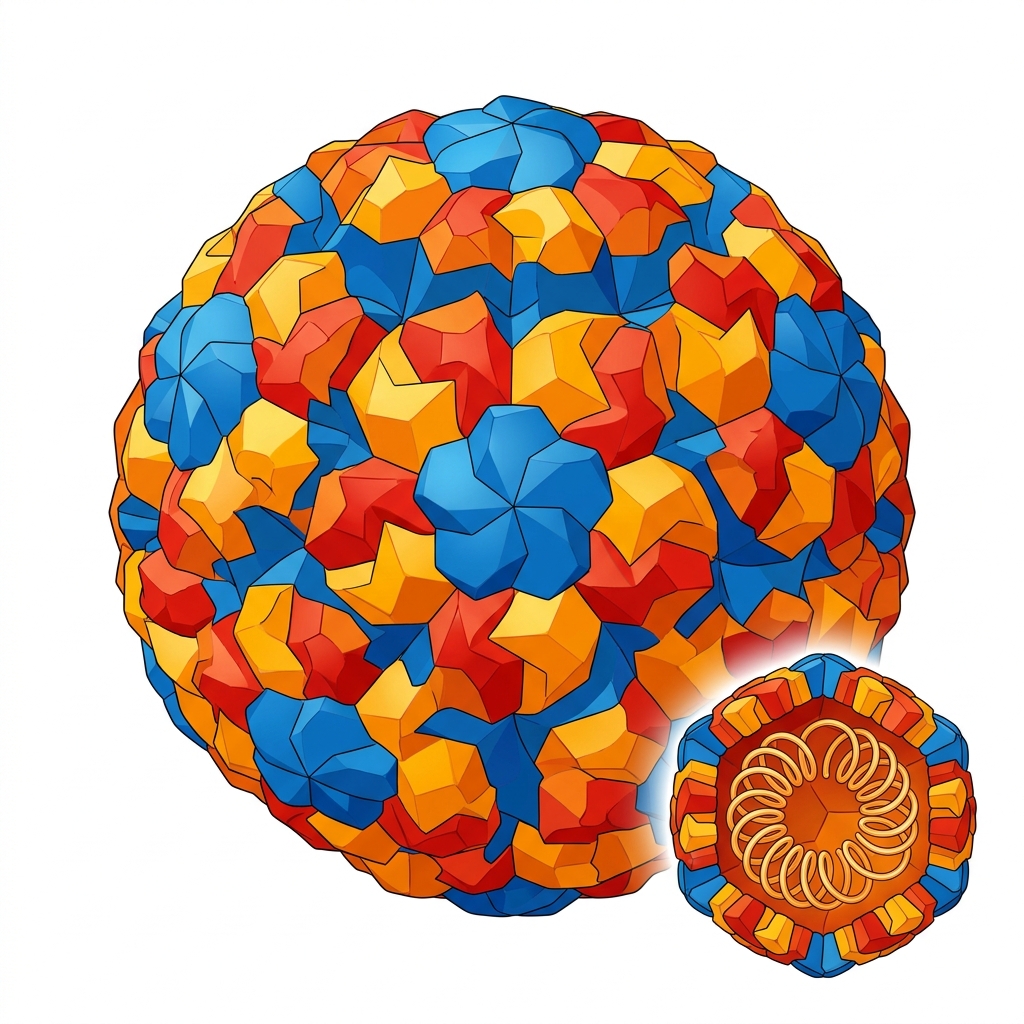
Polio is a serious viral infection that can cause permanent, lifelong paralysis and other severe health problems. Learning the facts about how it spreads and why prevention matters protects your family's health.
Key Takeaways.
- Polio is a dangerous viral infection caused by the poliovirus that attacks the nervous system and can cause permanent paralysis.
- The virus spreads easily through contaminated food, water, and poor hand hygiene.
- There is no cure for polio once it occurs, making prevention through vaccination absolutely essential.
- Following the national immunization schedule keeps your children fully protected.
BMI Calculator
Know your body mass index (BMI) and weight classification
What Is Polio?
Medically known as poliomyelitis, polio is a contagious viral illness caused by the poliovirus. This virus primarily infects your throat and digestive tract. In many cases, an infected person shows no visible signs of illness or experiences only mild flu-like symptoms.
However, the most dangerous situation happens when the virus spreads from the gut into your brain and spinal cord. When this happens, it can attack the nerves that control your muscles, leading to permanent paralysis.
While global vaccination programs have eliminated polio in most parts of the world, the virus still exists in certain regions. If vaccination rates drop in any community, the virus can quickly return and spread among unprotected people.
Polio Symptoms.
Polio symptoms vary widely from mild discomfort to severe, life-threatening illness. Many people infected with the virus experience no symptoms at all. Others feel sick for a few days with mild, flu-like signs. This some suffer severe nervous system damage.
To understand these signs clearly, review the different symptom categories below:
| Symptom Category. | Common Signs. |
|---|---|
| Mild Flu-Like Signs. | Fever, tiredness, sore throat, and headaches. |
| Stomach and Gut Issues. | Nausea, vomiting, diarrhea, constipation, and belly cramps. |
| Brain and Spinal Cord Signs. | Severe headache, sensitivity to bright lights, and a stiff neck. |
| Nervous System Effects. | Pain or tingling in the arms and legs, muscle twitching, muscle weakness, or paralysis. |

Magnesium Muscle and Joint Care
A natural magnesium treatment that relieves muscle spasms, frizz and sore muscles.
Check Availability →How Polio Spreads.
The poliovirus spreads very easily from person to person. It enters the body primarily through contact with the stool of an infected person. It can also spread through tiny droplets released when an infected person coughs or sneezes.
You can catch the virus through everyday actions if hygiene practices are poor. Common ways the virus spreads include:
- Failing to wash your hands properly after using the bathroom or handling waste.
- Drinking or swallowing contaminated water.
- Swimming in water sources contaminated with sewage or viral particles.
- Eating food washed in dirty water or touched with unwashed hands.
- Touching contaminated surfaces like door handles or toys and then touching your nose or mouth.
- Spending close time with an infected person, even if they show no signs of illness.
Good hygiene, especially thorough handwashing, plays a vital role in preventing the spread of infections like polio.
Who Is Most at Risk?
While anyone can catch polio if they lack immunity, certain groups face much higher risks:
- Young children who have not received all of their scheduled immunizations face the highest danger.
- Unvaccinated teenagers and adults who missed childhood shots can still catch the virus.
- People living in or traveling to regions where polio remains active have a significant risk of exposure.
Polio Complications.
Most people recover fully from mild polio infections without lasting trouble. However, severe infections cause permanent health issues that can appear years later.
- Paralysis affects the arms, legs, or muscles needed for breathing.
- Brain swelling, known as encephalitis, or inflammation of the membranes around the brain and spinal cord, called meningitis.
- Post-polio syndrome brings new muscle weakness, pain, and fatigue decades after the initial recovery.
- Death can occur if the virus paralyzes the muscles that control breathing.
How Doctors Diagnose Polio.
A doctor diagnoses polio by evaluating your symptoms, asking about your medical and travel history, and ordering specific lab tests. Always tell your doctor if you have traveled recently.
Doctors use several tests to detect the poliovirus in your body:
- Taking a swab sample from your throat.
- Collecting a stool sample.
- Running blood tests.
- Performing a lumbar puncture to check the fluid around your spinal cord.
Because early polio signs resemble other common viral illnesses, doctors often run tests to rule out other conditions.
Is There a Treatment for Polio?
Medical science has not found a cure for polio. No specific medicine can stop or reverse the virus once it infects your nervous system.
Doctors focus entirely on supportive care to manage symptoms and keep you comfortable while your body fights the infection.
- Physical therapy helps support weak or paralyzed muscles during recovery.
- Breathing machines, or ventilators, help patients who lose the ability to breathe on their own.
Because polio cannot be cured once contracted, preventing the infection through vaccines is your most important defense.
When to See a Doctor.
Consult your doctor right away if you know you had close contact with a polio patient and feel unwell, or if you have questions about your vaccine history.
Emergency Red Flags.
Seek emergency medical care right away by calling 911 (US/Canada), 999 (UK), or going to your nearest Emergency Department if you or a family member experience sudden breathing difficulties, severe headaches, or sudden muscle weakness.
Relief at Home.
In addition to medical guidance, simple home care steps can ease discomfort:
- Drink plenty of fluids like water and clear broths to stay hydrated.
- Apply warm compresses to soothe sore, aching muscles.
- Use pain relievers only as directed by your doctor. Never give aspirin to children or teenagers due to the risk of severe complications.
- Follow professional physical therapy and exercise instructions carefully.
- Get plenty of rest to support your recovery.
The Best Solution: Prevention.
Getting the polio vaccine is the single most effective way to protect yourself and your family. Health programs give these vaccines during infancy and childhood. Following your national immunization schedule ensures your children stay fully protected.
If you are unsure whether you received your shots as a child, talk to your doctor to review your health records and determine if you need booster doses.
You can also reduce infection risks with simple daily habits:
- Wash your hands thoroughly with soap and water, especially after using the bathroom or changing diapers.
- Drink safe, treated water, and use bottled water if you travel to areas with unsafe sanitation systems.
Polio remains a rare condition today, but the virus has not vanished entirely from the world. Vaccines remain your strongest shield against infection. Talk to your doctor today to verify your family's immunization records.
💡 Take-Home Message.
Polio is a severe, incurable viral disease that can cause permanent paralysis. It spreads easily through poor hygiene and contaminated environments. No specific cure exists, so doctors rely on supportive care for symptom management. Getting vaccinated provides the safest, most powerful defense against this disease. Check your child's immunization schedule today and speak with your doctor if you have any questions.


No comments yet. Be the first to share your question or experience below.