

When we talk about the food we eat every day, we often hear the words 'carbohydrates' and 'sugar'. Some say that these are not good for the body, while others say that we can't do without them. What is the real story? If you also have a little problem with this, let's clear it all up today. Let's find out exactly how these things affect our health.
What are carbohydrates?
First, let's look at what carbohydrates are. Simply put, they are the main and most easily available fuel that gives our bodies energy . They are like gasoline for a car. These carbohydrates are essential for both children and adults to stay healthy.
Now there are two types of these carbohydrates:
- Simple Carbohydrates: These are also called simple sugars. Examples include fructose, glucose, and lactose in milk. These are often found in nutritious foods like fruit.
- Complex Carbohydrates: These are also called starches. They are found in starchy vegetables like potatoes and sweet potatoes, whole grains , rice, bread, and other cereals.
Okay, now let's see how these carbohydrates and sugars are processed inside the body. Every carbohydrate we eat is digested and eventually turns into simple sugars. Then this sugar is absorbed into the blood. When the blood sugar level increases like this, our pancreas has an organ called the pancreas , which produces a hormone called insulin . This insulin is what helps take the sugar in the blood and send it into the body's cells. Only then can those cells use the sugar to make energy. Do you understand?
Carbohydrates in some foods – especially those that contain simple sugars and are highly refined (e.g., bread, white rice) – are digested very quickly, causing a rapid rise in blood sugar levels. However, complex carbohydrates (such as those found in whole grains) take longer to digest, causing a gradual rise in blood sugar levels. Eating too many foods that cause a rapid rise in blood sugar levels can increase your risk of developing diseases like diabetes .
Not all carbohydrate-rich foods are created equal. Some are healthier than others. Here are some good choices:
- Whole-grain breakfast cereals
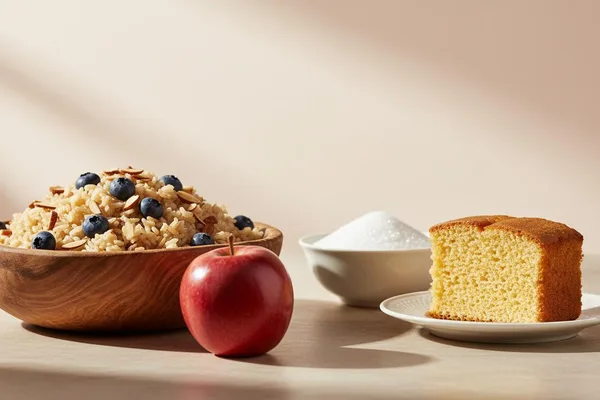
- Brown rice
- Whole-grain breads
- Fresh fruit
- Vegetables
- Low-fat milk and dairy products
A balanced, healthy diet for a child over two years old should provide between 50% and 60% of calories from carbohydrates. But the most important thing is that most of these carbohydrates should come from good sources and that added sugars are limited.
Are some carbohydrates really 'bad'?
These carbohydrates have been under a lot of blame for a while now, haven't they? Medical experts in particular say that eating too much refined carbohydrates – that is, refined sugar found in toffee, chocolate, and sweetened beverages, and things like white rice and bread flour (used to make a lot of pasta and bread) – is one of the reasons why obesity, that is, obesity, is so common today.
How can one food cause such a big problem? Think about it, these 'bad' carbohydrates (sugar and refined foods) are easy to get, come in large quantities, taste good, and don't fill you up quickly. So people eat more of them than they need. Some of them are actually not needed by the body – for example, sugary drinks, toffee chocolate are just 'empty calories' . That is, they are just energy, no nutrition.
But this doesn't mean that all simple sugars are bad. Remember, we talked earlier about simple carbohydrates being found in nutritious foods like fruits, vegetables, and dairy products. These provide many essential nutrients that help the body grow and stay healthy. For example, although fresh fruit contains simple carbohydrates, it also contains many valuable things like vitamins and fiber .
So why are complex carbohydrates so good?
Nutritional guidelines generally recommend that at least half of the grains we eat should be complex carbohydrates. Whole grains – that is, whole grains like brown rice, oatmeal, whole grain breads and cereals – are the best choices. A diet rich in whole grains can help protect against diabetes and heart disease. Complex carbohydrates also have the following benefits:
- Takes longer to digest: Whole grains contain all three parts of the grain (the bran, germ, and bran). Refined grains, on the other hand, only contain the bran. Since the body has to work harder to digest a whole grain, digestion takes longer. When carbohydrates are absorbed into the body, it is easier for the body to handle them.
- High in Fiber: Foods high in fiber fill you up quickly, which reduces overeating. Not only that, but when mixed with plenty of water, this fiber helps food move through the digestive tract more easily, preventing constipation. It may also help protect against some colon cancers.
- Provides vitamins and minerals: Whole grains contain important vitamins and minerals like B vitamins, magnesium, and iron.
A typical school-age child should eat about four to six 'ounce-equivalents' of grains per day. (An 'ounce-equivalent' is simply the amount of food in a meal. For example, a slice of bread, a cup of cereal, or half a cup of cooked rice, pasta, or porridge.) At least half of this should come from whole grains.
So what about sugar?
Foods high in added sugar (sweetened beverages, biscuits, cakes, toffee chocolate, ice cream, some fruit drinks) are high in calories and low in nutrition. A diet high in sugar is linked to obesity. Eating too much sugar can also lead to tooth decay . It is generally said that less than 10% of our total daily calories should come from added sugar.
Instead of sugary foods, give your children healthy options like fruit. Fruit is a naturally sweet carbohydrate that also provides fiber and vitamins that children need.
A good way to reduce added sugar is to cut out soda and other sugary drinks completely. Keep these tips in mind:
- A 355 ml (about 12 ounces) can of carbonated soft drink contains the equivalent of 10 teaspoons of sugar (about 49 grams) and 150 calories.
- In some countries (and this situation is gradually increasing in Sri Lanka, isn't it?) most of the added sugar in children's daily diet comes from these sweetened drinks.
- Drinking one 355 ml sugary drink per day increases a child's risk of obesity.
- The acidity in sweetened drinks can dissolve tooth enamel, and the high sugar content can also cause cavities.
Instead of sweetened drinks or 'juice drinks' (which often have added sugar, like sodas), offer low-fat milk, water, or 100% fruit juice. But remember: Even though 100% fruit juice doesn't have added sugar, it can still add calories from the natural sugars in it. So limit fruit juice to 4-6 ounces (118-177 ml) for children under 7 years old. Don't give more than that, which means no more than 8-12 ounces (237-355 ml) for younger children.
How to choose healthy food?
It's not always easy to know what's good and what's bad. The 'Nutrition Facts Label' on food packages can help you with this.
To know exactly what carbohydrates are, pay attention to these three numbers:
- Total Carbohydrate: This is stated in grams. This value includes several types of carbohydrates: dietary fiber, sugar, and other carbohydrates.
- Dietary Fiber: This is listed under 'total carbohydrates.' Dietary fiber contains no calories, and a diet high in fiber provides many health benefits.
- Sugars: This is also listed under 'total carbohydrates'. New nutrition labels now distinguish between natural sugars and added sugars. Natural sugars are found in things like fruit and dairy. Added sugars are often found in things like snacks, toffees, and sweetened beverages. To see if a food has added sugar, look at the ingredients list. Look for sugar, corn syrup, or sweeteners like dextrose, fructose, honey, or molasses. It's best to stay away from products that list these sweeteners at the beginning of the ingredients list.
Although carbohydrates contain about 4 calories per gram, the high sugar content in snacks can add up quickly. And these 'empty calories' are usually very low in other nutrients.
So, how do you make carbohydrates part of a healthy diet? (Keep this in mind!)
Okay, we've talked a lot about carbohydrates and sugar. So with that in mind, let's think about the health of everyone in your family.
- Choose good carbohydrates: Buy whole grains, fruits, vegetables, and low-fat milk and dairy products.
- Limit foods with added sugar: Especially reduce your intake of sweetened drinks, toffees, and cakes as much as possible.
- Keep children active every day: encourage them to play and exercise.
- Be a good role model: When your children see you practicing healthy habits, they will learn the same things. This will help them adopt a healthy lifestyle from a young age.
Remember, carbohydrates are not our enemy. What's important is choosing the right types of carbohydrates, in the right amounts . The same goes for sugar, so it's wise to choose nutritious foods that contain natural sugars and stay away from added sugars as much as possible.
` Carbohydrates, sugar, simple carbohydrates, complex carbohydrates, whole grains, added sugars, healthy eating, nutrition, children's health




💬 Comments (0)
No comments yet. Be the first to share your thoughts here.
Add Your Comment