

Hello! You are now in a very special week of your pregnancy , namely the 35th week. When you think that in a few more weeks your little one will be in your arms, you must be feeling both incredibly happy and a little impatient, right? During this week, many important changes are taking place in your baby's development and in your body. Let's talk about it all in a simple way that you can understand.
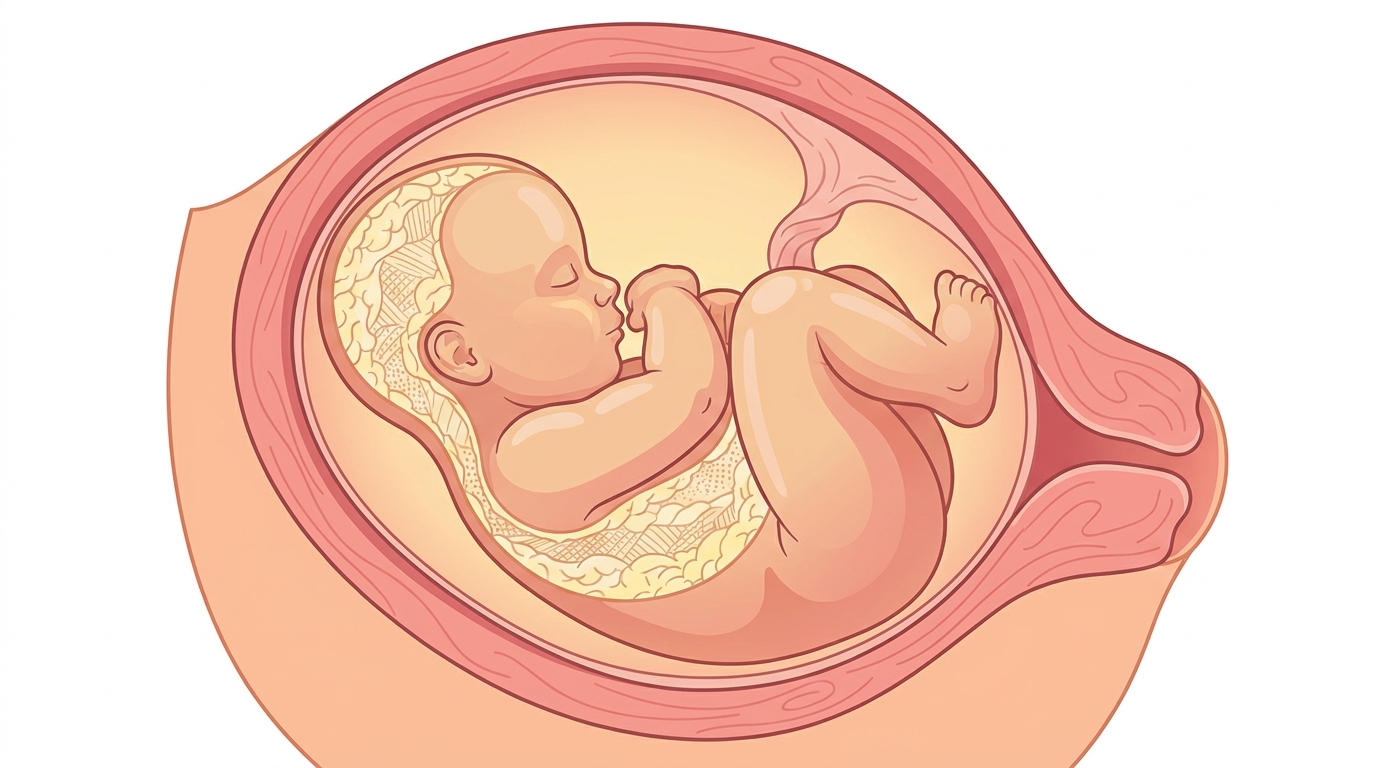
How big has your baby gotten at this 35th week? What's new?
Just think, your little one is now in a period of rapid weight gain! He can gain about 220 to 340 grams (that's about 8 to 12 ounces) per week. Wow, right? During this time, fat is deposited all over the baby's body, especially around the shoulders. This layer of fat is what helps the baby retain heat after birth.
Remember that white, creamy protective layer that covered the baby's skin? We call it vernix caseosa . That vernix layer is getting thicker this week . It protects the baby's delicate skin from getting wet due to the amniotic fluid it 's in. Also, the baby's very fine downy hair, called lanugo , is now mostly gone . There may be a little bit left on the shoulders and back.
Because your baby is now quite big, there is very little space for him inside the womb . It's like having a big person in a small house . So, you may feel that the baby is moving a little less often. But don't worry, those movements will feel much more intense and louder than before. That's because the baby is now bigger, stronger, and there's less space.
Most of the time, by this week, your baby will be in the head -first position , which means it's ready to be born. When this is the case, the baby's head is resting above your pubic bone. This is the easiest position for childbirth. Your doctor will tell you about this when you examine your baby.
The baby's brain is still developing very quickly. The lungs are now largely mature, but it will take a while for them to fully develop. That's why we say it's best to keep the baby in the womb for as long as possible.
What changes have you noticed this week?
As your baby grows, your body will feel it too. This week you may experience things like:
- Feeling tired all the time: This is normal during the last stages of pregnancy. You have to carry extra weight, sleep problemsIt's no wonder you feel tired with all that coming on.
- Difficulty breathing: Your baby is now bigger, so he's pushing against your diaphragm . This reduces the space your lungs have to fully inflate. That's why it can feel a little hard to breathe sometimes.
- Needing to urinate frequently: This is because the baby's head is now much lower and is pressing on your bladder . Sometimes, you may even leak a little urine when you laugh or cough. Don't worry about that.
- Back pain : As your belly grows, your body's center of gravity changes, and hormonal changes can loosen your joints. All of this can lead to back pain.
- Swelling of the legs: You may notice swelling in your legs and ankles, especially in the evening. This is due to excess fluid retention and pressure on blood vessels from the enlarging uterus.
- Braxton Hicks contractions: These are what are called "pregnancy contractions." They feel like your stomach tightens for a while and then loosens again. They are not as intense as real labor pains, they don't come all at once, and they sometimes ease up when you change positions.
- Chest pain, sore throat: The baby may be pushing on the stomach, causing stomach acids to come up.
- Difficulty sleeping: It can be hard to find a comfortable position with a big belly, and you need to urinate frequently, all of which can make it a little difficult to get a good night's sleep.
With all this, you're probably going through a lot of different emotions. The excitement and anticipation of the baby's arrival, the fear of childbirth, and the anxiety of the responsibilities... Is this all normal and okay? You're not the only one, many mothers experience these mixed emotions during this time.
Things you should pay special attention to this week
Now, the baby is only a few days away. So you need to pay a little more attention to these things these days.
- Visiting the doctor: During this time, you will need to see the doctor about once every two weeks. Maybe once a week. The doctor will check your weight and blood pressure , listen to the baby's heartbeat, and check the baby's size and position.
- GBS test: Group B Streptococcus (GBS) between 35 and 37 weeksA test is done to see if a bacteria called GBS is present in your vagina and rectum. Although this is a bacteria that is usually harmless to most people, there is a small risk of infection to your baby during delivery. So if you have this test, you may be given antibiotics during delivery to prevent infection to your baby.
- Make sure your hospital bag is ready: If you haven't already, pack it now. Pack everything you and your baby will need, including clothes, toiletries, and important documents.
- Review your birth plan : If you have a birth plan, review it and talk about it with your partner.
- Recognize the signs of labor pain: Know the difference between real labor pains and Braxton Hicks contractions. Real labor pains are more intense, less frequent, and come on continuously.
- Keep track of your baby's kick counts : If your doctor has instructed you to count your baby's kicks, do so. If you feel that your baby is moving less than usual, call your doctor right away.
- Get plenty of rest and eat nutritious foods: This is important throughout pregnancy, but it's even more important in these final weeks. Your body needs energy.
- Make sure your baby's room has everything he needs: It's a good idea to have things like a crib, clothes, and diapers ready now. That way, you won't have to worry about last-minute things.
Remember: Every pregnancy is different. You don't have to have the same experience as your friend. Never be afraid to ask your doctor if you have any questions or concerns.
Here are some tips to help you stay comfortable these days.
It's normal to feel a little uncomfortable these days with a big belly. But these little things can help you get some relief:
- Sleep on your left side: This reduces pressure on your major blood vessels and helps your baby get better blood flow. Placing a pillow between your legs can also help relieve back pain.
- For heartburn: Eat several small meals instead of eating large meals at once. Reduce spicy and oily foods. Sleep with your head slightly elevated.
- Light exercise: If your doctor has given you permission, do light exercise like walking or swimming. This will not only make you feel better, but it will also help with labor.
- Support garments : Wearing something like a belt that provides support to the abdomen can help relieve back pain.
- Find ways to relax:Things like meditating to calm the mind, listening to music, and taking a warm bath (it's best not to let the water get too hot) can help both the mind and the body feel better.
If something like this happens, you should call the doctor immediately!
If you have any of these symptoms, don't wait any longer and call your doctor immediately, or go to the nearest hospital.
- Significant decrease or loss of fetal movements.
- Vaginal bleeding (bright red blood).
- Breaking of the water bag (fluid coming out of the vagina all at once or continuous wetting).
- Premature onset of labor pains (pains that occur more than four times an hour, continuously, and become increasingly severe).
- Severe or persistent headache.
- Blurred vision, feeling like dots are floating before the eyes.
- Severe pain in the upper right side of the abdomen.
- Sudden severe swelling of the face, hands, and feet (these can be signs of a dangerous condition called preeclampsia ).
- Fever or feeling cold.
At a time like this, the most important thing is not to panic and seek medical advice quickly.
Take-Home Message
You are now in the final stages of your pregnancy journey. In a few days, you will begin the most beautiful chapter of your life.
- Your baby is growing very quickly this week, gaining weight, and getting ready to be born.
- You may experience changes both physically and mentally. Many of these things are normal.
- See the doctor on time and follow his instructions.
- Be aware of the risk symptoms and seek medical advice immediately if you feel like you have a problem.
- Get plenty of rest, eat nutritious food, and be happy.
You are doing all this for your precious baby. You are a strong, capable mother. You can complete this journey successfully! Everything will be fine!
If you want to know anything more, or have any concerns, be sure to talk to your doctor. We all wish you the best!
👩🏽⚕️ Frequently Asked Questions (FAQ) from the Doctor
Doctor's Note
By the 35th week of pregnancy, the baby's growth is almost complete, and now the baby's weight is rapidly increasing (deposition of the fat layer under the skin). As the uterus now expands to its maximum size and pushes against the chest area, the mother may feel shortness of breath and chest inflammation. Baby's brain is also developing very fast. At 35-37 weeks, the mother's vagina is usually checked for GBS (Group B Streptococcus) bacteria, so consult the doctor's clinic about it.


💬 Comments (0)
No comments yet. Be the first to share your thoughts here.
Add Your Comment