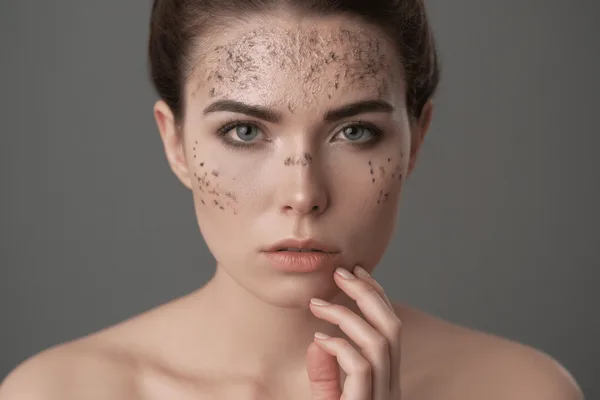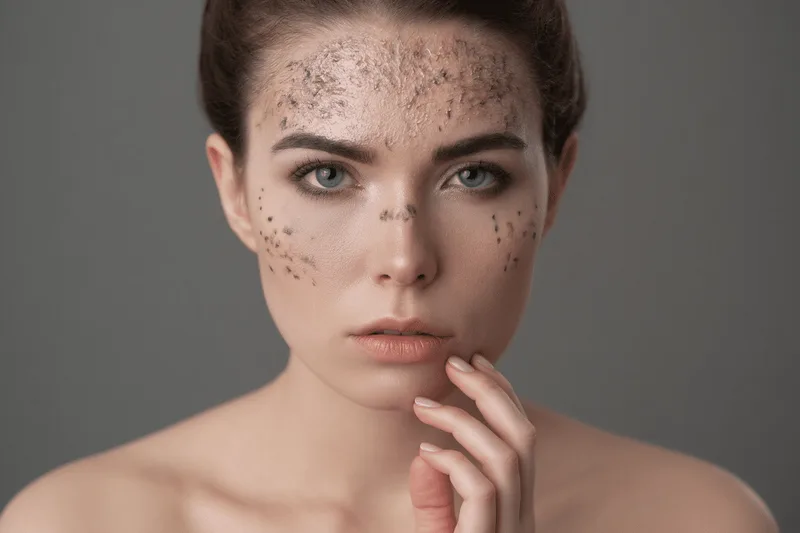
Are the scales falling off? Is it accompanied by itching? Then it could be psoriasis!

Are the scales falling off? Is it accompanied by itching? Then it could be psoriasis!

Do you have red, scaly, itchy patches on your body, especially on your elbows, knees, back, or scalp? Is the skin thickened and cracked in some places? Are there any changes in your nails? Then this is something important for you. You may have psoriasis . Don't panic! Read this article and learn everything about psoriasis.

What is psoriasis?

Psoriasis is an autoimmune condition that causes inflammation of the skin. Simply put, your body's white blood cells mistakenly attack your healthy skin cells . It's like an army attacking its own country. This causes skin cells to grow much faster than normal. It usually takes about 30 days for new skin cells to grow. But in someone with psoriasis, it only takes 3 or 4 days. So, as these new cells grow rapidly and the old cells die and fall off, they accumulate on the skin, forming scaly, thick patches (plaques) .

Psoriasis is a long-term skin disease. This means that it can flare up suddenly, and there is no complete cure.

Let's look at the features first:

  • Itchy Skin: This is the main symptom. Sometimes this itching can be unbearable.
  • Cracked, Dry Skin: The skin may be very dry and cracked in some areas.
  • Skin Pain: Some areas may be painful and tight.
  • Nail Changes: Nails may appear pitted (pitting), peel off, change color, or change shape.
  • Joint Pain: Some people with psoriasis may experience joint pain and swelling . This is called psoriatic arthritis .

Types of Psoriasis

There are several types of psoriasis. Let's learn a little about them now.

1. Plaque Psoriasis

This is the most common type. About 80%-90% of people have this type of psoriasis. It is characterized by the formation of thick, scaly patches, as I mentioned earlier. These patches are usually red. They may be covered with silvery, white scales. These often appear on the elbows, knees, lower back, and scalp.

2. Inverse Psoriasis

This type of psoriasis occurs in areas where the skin folds. It is seen in places like the armpits, groin, under the breasts, and around the genitals. It does not have the thick, scaly scales that other types have. Instead, the skin is smooth, shiny, and red.

3. Guttate Psoriasis

This type of psoriasis can sometimes come after a sore throat ( Strep Throat ). It causes small, red, water drop-shaped, scaly patches to form. These can often appear all over the body, on the arms, legs, and scalp. It is most common in children and young adults.

4. Pustular Psoriasis

This type of psoriasis causes pus -filled bumps. These blisters usually appear on the arms, legs, or can spread throughout the body.

5. Erythrodermic Psoriasis

This is a very severe type. It covers more than 90% of the body. The skin becomes very red, scaly, and flaky. This can be a dangerous condition, so you should see a doctor immediately.

6. Sebopsoriasis

This type of dermatitis has both seborrheic dermatitis and psoriasis symptoms. It most often occurs on the face and scalp. The main symptom is oily, yellow, scaly patches.

7. Nail Psoriasis

In this type, the nails change color, become pitted, and change shape. The nails may even fall off.

How is all this happening?

Who gets this?

Anyone, at any age, and of any race can develop psoriasis. Millions of people around the world have the disease.

What causes psoriasis?

The exact cause is not yet known. But it is thought to be caused by genetics and a malfunction in the immune system. If someone in your family has this disease, you are more likely to develop it too.

Certain things can trigger or worsen psoriasis symptoms (Triggers):

  • Stress: Being under a lot of stress is not good for psoriasis.
  • Infections: Some infections, for example, streptococcal infections, can trigger psoriasis symptoms.
  • Skin Injuries: Psoriasis can also be caused by things like cuts, scrapes, and wounds.
  • Certain Medications: This can also be caused by medications like Lithium and Beta-Blockers.
  • Cold, Dry Weather: 🥶 Weather conditions like this can dry out the skin and worsen psoriasis symptoms.
  • Smoking: Smoking is not good for psoriasis.
  • Alcohol: Alcohol is also not good for psoriasis.

Important points:

  • Psoriasis is not contagious.
  • Psoriasis cannot be completely cured, but the symptoms can be controlled.
  • Not everyone with psoriasis has the same symptoms.
  • Psoriasis is not life-threatening, but it can have a big impact on your life.

How is psoriasis diagnosed?

A doctor will examine your skin and ask about your symptoms to determine if you have psoriasis. They may also ask if anyone in your family has the disease, what soaps and shampoos you use, etc. They may also take a small piece of skin and look at it under a microscope (skin biopsy).

What are the treatments for psoriasis?

Psoriasis cannot be completely cured, but the symptoms can be controlled.

Treatments include:

  • Creams and Ointments: Things like steroid creams, vitamin D3 creams, retinoid creams.
  • Moisturizers: It is important to maintain skin moisture.
  • Medicated Shampoos: For scalp psoriasis.
  • Medication: Medications that slow down the growth of skin cells, medications that suppress the immune system, etc.
  • Light Therapy: A treatment using LED lights.
  • PUVA: Light therapy combined with medication.

The treatment that's right for you depends on how severe your disease is, where it's located in your body, your age, and what other illnesses you have.

Some people may experience side effects from these treatments, so it is important to talk to your doctor before taking any medication.

How to live with psoriasis?

Psoriasis is a lifelong condition. But with proper medication and a healthy lifestyle, you can control its symptoms and live a happy life.

Here are some tips:

  • Take the medicine as prescribed by the doctor.
  • Apply moisturizer every day. It's best to apply it after bathing.
  • If you use soap, use a mild soap.
  • Find out what triggers your illness and stay away from them.
  • Eat and drink well. Eat more fruits, vegetables, lean meats, and whole grains.
  • Exercise.
  • Sleep well.
  • Reduce stress. Meditate, do yoga.
  • See a psychiatrist if necessary.
  • Check your skin regularly. Tell your doctor if you notice any changes.

Psoriasis is not an easy disease to deal with. But that doesn't mean you can't be happy. If you know about it, get the right treatment, and live a healthy lifestyle, you can live well with psoriasis.

Don't forget to share this post to improve the health of our own people in Sri Lanka and to educate others.

Frequently Asked Questions (FAQ)

Who gets this?

Anyone, at any age, and of any race can develop psoriasis. Millions of people around the world have the disease.

What causes psoriasis?

The exact cause is not yet known. But it is thought to be caused by genetics and a malfunction in the immune system. If someone in your family has this disease, you are more likely to develop it too.

⚠️ Important: The medical articles and information on Nirogi Lanka are for general awareness only, and are by no means a substitute for professional medical advice, diagnosis, or treatment. For any medical problem you have, consult a qualified physician immediately.

💬 Comments (0)

No comments yet. Be the first to share your thoughts here.

Add Your Comment

Please calculate: 7 + 9 =
Are the scales falling off? Is it accompanied by itching? Then it could be psoriasis!
PsoriasisJanuary 24, 2025

Are the scales falling off? Is it accompanied by itching? Then it could be psoriasis!

Do you have red, scaly, itchy patches on your body, especially on your elbows, knees, back, or scalp? Is the skin thickened and cracked in some places? Are there any changes in your nails? Then this is something important for you. You may have psoriasis . Don't panic! Read this article and learn everything about psoriasis.

What is psoriasis?

Psoriasis is an autoimmune condition that causes inflammation of the skin. Simply put, your body's white blood cells mistakenly attack your healthy skin cells . It's like an army attacking its own country. This causes skin cells to grow much faster than normal. It usually takes about 30 days for new skin cells to grow. But in someone with psoriasis, it only takes 3 or 4 days. So, as these new cells grow rapidly and the old cells die and fall off, they accumulate on the skin, forming scaly, thick patches (plaques) .

Psoriasis is a long-term skin disease. This means that it can flare up suddenly, and there is no complete cure.

Let's look at the features first:

  • Itchy Skin: This is the main symptom. Sometimes this itching can be unbearable.
  • Cracked, Dry Skin: The skin may be very dry and cracked in some areas.
  • Skin Pain: Some areas may be painful and tight.
  • Nail Changes: Nails may appear pitted (pitting), peel off, change color, or change shape.
  • Joint Pain: Some people with psoriasis may experience joint pain and swelling . This is called psoriatic arthritis .

Types of Psoriasis

There are several types of psoriasis. Let's learn a little about them now.

1. Plaque Psoriasis

This is the most common type. About 80%-90% of people have this type of psoriasis. It is characterized by the formation of thick, scaly patches, as I mentioned earlier. These patches are usually red. They may be covered with silvery, white scales. These often appear on the elbows, knees, lower back, and scalp.

2. Inverse Psoriasis

This type of psoriasis occurs in areas where the skin folds. It is seen in places like the armpits, groin, under the breasts, and around the genitals. It does not have the thick, scaly scales that other types have. Instead, the skin is smooth, shiny, and red.

3. Guttate Psoriasis

This type of psoriasis can sometimes come after a sore throat ( Strep Throat ). It causes small, red, water drop-shaped, scaly patches to form. These can often appear all over the body, on the arms, legs, and scalp. It is most common in children and young adults.

4. Pustular Psoriasis

This type of psoriasis causes pus -filled bumps. These blisters usually appear on the arms, legs, or can spread throughout the body.

5. Erythrodermic Psoriasis

This is a very severe type. It covers more than 90% of the body. The skin becomes very red, scaly, and flaky. This can be a dangerous condition, so you should see a doctor immediately.

6. Sebopsoriasis

This type of dermatitis has both seborrheic dermatitis and psoriasis symptoms. It most often occurs on the face and scalp. The main symptom is oily, yellow, scaly patches.

7. Nail Psoriasis

In this type, the nails change color, become pitted, and change shape. The nails may even fall off.

How is all this happening?

Who gets this?

Anyone, at any age, and of any race can develop psoriasis. Millions of people around the world have the disease.

What causes psoriasis?

The exact cause is not yet known. But it is thought to be caused by genetics and a malfunction in the immune system. If someone in your family has this disease, you are more likely to develop it too.

Certain things can trigger or worsen psoriasis symptoms (Triggers):

  • Stress: Being under a lot of stress is not good for psoriasis.
  • Infections: Some infections, for example, streptococcal infections, can trigger psoriasis symptoms.
  • Skin Injuries: Psoriasis can also be caused by things like cuts, scrapes, and wounds.
  • Certain Medications: This can also be caused by medications like Lithium and Beta-Blockers.
  • Cold, Dry Weather: 🥶 Weather conditions like this can dry out the skin and worsen psoriasis symptoms.
  • Smoking: Smoking is not good for psoriasis.
  • Alcohol: Alcohol is also not good for psoriasis.

Important points:

  • Psoriasis is not contagious.
  • Psoriasis cannot be completely cured, but the symptoms can be controlled.
  • Not everyone with psoriasis has the same symptoms.
  • Psoriasis is not life-threatening, but it can have a big impact on your life.

How is psoriasis diagnosed?

A doctor will examine your skin and ask about your symptoms to determine if you have psoriasis. They may also ask if anyone in your family has the disease, what soaps and shampoos you use, etc. They may also take a small piece of skin and look at it under a microscope (skin biopsy).

What are the treatments for psoriasis?

Psoriasis cannot be completely cured, but the symptoms can be controlled.

Treatments include:

  • Creams and Ointments: Things like steroid creams, vitamin D3 creams, retinoid creams.
  • Moisturizers: It is important to maintain skin moisture.
  • Medicated Shampoos: For scalp psoriasis.
  • Medication: Medications that slow down the growth of skin cells, medications that suppress the immune system, etc.
  • Light Therapy: A treatment using LED lights.
  • PUVA: Light therapy combined with medication.

The treatment that's right for you depends on how severe your disease is, where it's located in your body, your age, and what other illnesses you have.

Some people may experience side effects from these treatments, so it is important to talk to your doctor before taking any medication.

How to live with psoriasis?

Psoriasis is a lifelong condition. But with proper medication and a healthy lifestyle, you can control its symptoms and live a happy life.

Here are some tips:

  • Take the medicine as prescribed by the doctor.
  • Apply moisturizer every day. It's best to apply it after bathing.
  • If you use soap, use a mild soap.
  • Find out what triggers your illness and stay away from them.
  • Eat and drink well. Eat more fruits, vegetables, lean meats, and whole grains.
  • Exercise.
  • Sleep well.
  • Reduce stress. Meditate, do yoga.
  • See a psychiatrist if necessary.
  • Check your skin regularly. Tell your doctor if you notice any changes.

Psoriasis is not an easy disease to deal with. But that doesn't mean you can't be happy. If you know about it, get the right treatment, and live a healthy lifestyle, you can live well with psoriasis.

Don't forget to share this post to improve the health of our own people in Sri Lanka and to educate others.

Frequently Asked Questions (FAQ)

Who gets this?

Anyone, at any age, and of any race can develop psoriasis. Millions of people around the world have the disease.

What causes psoriasis?

The exact cause is not yet known. But it is thought to be caused by genetics and a malfunction in the immune system. If someone in your family has this disease, you are more likely to develop it too.

⚠️ Important: The medical articles and information on Nirogi Lanka are for general awareness only, and are by no means a substitute for professional medical advice, diagnosis, or treatment. For any medical problem you have, consult a qualified physician immediately.

💬 Comments (0)

No comments yet. Be the first to share your thoughts here.

Add Your Comment

Please calculate: 7 + 9 =