

Have you ever taken a new medicine and suddenly noticed itchy red bumps on your skin? Or perhaps you felt a strange tightness in your chest or trouble breathing? You might have experienced a drug allergy, and one common type is known as a sulfa allergy. Let us break down this topic in a very simple and clear way so you can protect your health.
When you understand how your body reacts to certain medicines, you can prevent serious health risks. Whether you take antibiotics for an infection or other treatments, knowing what to watch for is vital. Let us explore what a sulfa allergy means for you and your family.
Key Takeaways at a Glance.
- What it is: A sulfa allergy is an adverse reaction of your immune system to sulfonamide medicines.
- Common signs: Skin rashes, hives, and itching are the most frequent warning signs you may notice.
- Key triggers: Antibiotics like Bactrim are the most common source, but other pills can contain sulfa too.
- Severe risks: Rare cases can cause dangerous swelling, breathing trouble, or severe blistering skin reactions.
- Best prevention: Always tell your doctor and pharmacist about your past drug reactions before taking any new prescription.
BMI Calculator
Know your body mass index (BMI) and weight classification
What is a Sulfa Allergy?
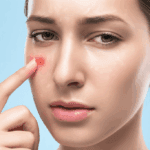
Simply put, a sulfa allergy is an unexpected reaction your body has to a specific group of medicines. If you have this allergy, taking a medicine with the sulfa chemical compound causes your immune system to fight back. The most common sign of this reaction is an itchy skin rash or raised red bumps called hives.
However, some people can experience more serious signs. These can include swelling in your throat or severe trouble breathing. If you ever feel any unusual symptoms after taking a medicine, you must talk to your doctor right away. If you experience sudden breathing trouble, go to the nearest emergency room right away.
The word sulfa is a short name for a family of drugs called sulfonamides. These drugs are mainly used as antibiotics to treat bacterial infections. However, other medicines used for different health conditions can also contain sulfa compounds. Sulfa medicines work by stopping bacteria from growing and multiplying in your body.
These sulfonamide medicines come in different forms. You can take them as pills or capsules by mouth. Doctors can also prescribe them as creams to put on your skin, or as eye drops for eye infections. Once you know you have a sulfa allergy, the safest choice is to avoid taking any products containing sulfa.
Whenever you visit a clinic or hospital, tell your doctor about your drug allergies. This ensures they write it down in your medical chart. Clear communication keeps you safe from accidental exposure in the future.
Common medicines That Contain Sulfa.
Sulfa ingredients are found in several antibiotics used to treat various bacterial conditions. Doctors often prescribe these medicines for specific types of infections:
- Burn infections on the skin.
- Infections in your eyes.
- Urinary tract infections, commonly called UTIs.
- Infections in the vaginal area.
- Inflammation in your bladder.
- Inflammatory bowel disease, known as IBD.
- Rheumatoid arthritis joint pain.
- Crohn disease flare-ups.
- Ulcerative colitis in the gut.
- Leprosy skin conditions.
- Dermatitis skin problems.
- Pneumonia lung infections.
Here are some of the most common sulfonamide medicines that doctors prescribe:
- Mafenide cream for burns.
- Sulfacetamide drops for eyes.
- Sulfadiazine for infections.
- Sulfadoxine for specific conditions.
- Sulfamethizole for urinary issues.
- Sulfanilamide for topical use.
- Sulfasalazine for gut or joint inflammation.
- Sulfisoxazole for bacterial illnesses.
- Sulfamethoxazole and trimethoprim, which you might know by brand names like Bactrim or Sulfatrim.
- Dapsone for skin and other uses.
Among all these choices, the combination medicine sulfamethoxazole and trimethoprim causes allergic reactions in the highest number of people.
Other medicines That May Contain Sulfa.
Some non-antibiotic medicines can also contain sulfonamide groups. You should check your prescriptions carefully if you have known sensitivities. Here are a few common examples:
- Pills that lower your blood sugar levels, such as glyburide and glimepiride.
- Certain nonsteroidal anti-inflammatory drugs, known as NSAIDs, such as celecoxib, which is sold under the brand name Celebrex.
- Water pills, known as diuretics, that help your body remove extra fluid.
- Sumatriptan tablets used to treat migraine headaches.
How Common is a Sulfa Allergy?
Medical studies show that about 6 percent of people who take sulfa-based antibiotics develop an allergic reaction. This means that while it is not the most common drug allergy in the world, it still affects a significant number of people.
Signs and Symptoms of a Sulfa Allergy.
If your body is sensitive to sulfa medicines, you may notice several different physical signs. These symptoms can range from mild skin irritation to severe medical emergencies:
- Itchy skin all over your body.
- A red skin rash or patchy red areas.
- Hives, which look like raised, pale red bumps.
- Sun sensitivity, meaning your skin rash gets worse when you go out in the sun.
- Swelling in your hands, feet, mouth, or tongue.
- Stomach upset, vomiting, or diarrhea.
- Headaches that make you feel unwell.
Some symptoms are much more serious, though they happen less often. You must watch out for these dangerous warning signs:
- Trouble swallowing food or water.
- Severe difficulty breathing or wheezing.
- Pain in your muscles and joints.
- A painful sore throat.
- Fever and flu-like body aches.
- Blisters on your skin and peeling skin layers.
- Cleveland Clinic: Sulfa Allergy Overview and Symptoms (clevelandclinic.org).
- Mayo Clinic: Drug Allergy Causes and Treatment (mayoclinic.org).
- National Health Service (NHS UK): Medicines and Allergic Reactions (nhs.uk).
- Centers for Disease Control and Prevention (CDC): Antibiotic Safety Guidelines (cdc.gov).
- National Institutes of Health (NIH PubMed): Sulfonamide Hypersensitivity Reactions (pubmed.ncbi.nlm.nih.gov).
⚠️ Emergency Red Flags: When to Call 911 or 999.
Some people can experience a rare and life-threatening reaction called anaphylaxis. This medical emergency can cause fainting, organ failure, and severe breathing collapse. Other severe conditions like Stevens-Johnson syndrome cause painful skin blisters and peeling. If you experience severe breathing trouble, facial swelling, or widespread blistering, call 911 (US/Canada), 999 (UK), or go to your nearest Emergency Department (ER / A&E) right away.
These severe conditions require emergency medical help right away to protect your life.
Who is at Higher Risk for a Sulfa Allergy?
Research shows that people living with HIV or AIDS have a much higher chance of developing allergic reactions to sulfa medicines. also, people with weak immune systems may face higher risks.
Another important factor is a genetic condition called G6PD deficiency. People with this enzyme deficiency can develop a serious type of red blood cell breakdown called hemolytic anemia if they take sulfa drugs.
How Do You Know If You Have a Sulfa Allergy?
Doctors usually do not use special laboratory tests to confirm a sulfa allergy. Instead, your doctor will ask you detailed questions about the medicines you took. They will review your symptoms to figure out if sulfa caused your reaction.
In some rare cases, a doctor may perform an oral drug challenge test under strict medical supervision. This involves giving you a tiny dose of the medicine to watch for a reaction. However, most doctors prefer to avoid this test because it can trigger a dangerous allergic response.
If your doctor confirms your sulfa allergy, they will look for alternative medicines to treat your health condition. If you ever need a sulfa drug for a life-threatening infection with no other options, a doctor might use a process called desensitization therapy. This method helps your body tolerate the medicine for a short time, but it does not cure your permanent allergy.
How to Treat a Sulfa Allergy.
The best treatment for a sulfa allergy is simple: stop taking all products that contain sulfa. Because you only find out about an allergy after taking the pill for the first time, you cannot always predict your reaction in advance.
For mild allergic reactions, your doctor may suggest taking antihistamines or applying corticosteroid creams to calm your skin. For more severe reactions, you may need an epinephrine injection from an auto-injector pen like an EpiPen.
While most people only experience mild or moderate symptoms, severe reactions require urgent care. Never ignore breathing difficulties or painful skin blisters after starting a new prescription.
Other medicines to Watch Out For.
If you have had an allergic reaction to sulfonamide drugs or any other prescription, tell your doctor right away. They will check your complete health profile to see if there are other related drug classes you should avoid.
Can You Prevent Medicine Allergies?
You cannot prevent a drug allergy from happening the first time your body encounters a medicine. The only way to manage it is to avoid taking that specific medicine in the future.
Make sure your primary care doctor and your local pharmacist know about all your drug allergies. Many people wear a medical alert bracelet or keep an allergy card in their wallet or smartphone. This simple step keeps you safe if you ever need emergency medical care.
When Should You See a Doctor?
Always tell your doctor about any unexpected skin rash, itching, or side effect after starting a new prescription. This helps them choose safer alternative medicines for your future care and prevents future allergic episodes.
| Situation. | What You Should Do. |
|---|---|
| Mild skin itch or minor rash. | Call your doctor promptly, stop the medicine as advised, and take antihistamines if recommended. |
| Severe breathing trouble or facial swelling. | Call 911 or 999 right away and head to the nearest hospital emergency room. |
| Starting any new prescription. | Always inform your doctor and pharmacist about your past drug allergies. |
Is Amoxicillin a Sulfa Drug?
No, amoxicillin is not a sulfa drug. It belongs to the penicillin family of antibiotics. People can also have penicillin allergies, which are entirely separate from sulfa allergies.
Is Prednisone a Sulfa Drug?
No, prednisone is not a sulfa drug. It belongs to a class of steroid medicines called corticosteroids that reduce inflammation in the body.
Are Sulfites the Same as Sulfa?
This is a common point of confusion for many people. Sulfa allergies and sulfite sensitivities are completely different things. Sulfites are chemical preservatives found mostly in foods and drinks to prevent spoiling or browning. Even though the names sound similar, they are chemically distinct and share no medical connection.
A sulfa allergy occurs only when your body reacts to sulfonamide medicines used to treat bacterial infections.
Sources and References:
sulfa allergy, sulfonamides, drug allergy, skin rash, hives, antibiotics, medicine allergy





No comments yet. Be the first to share your question or experience below.