
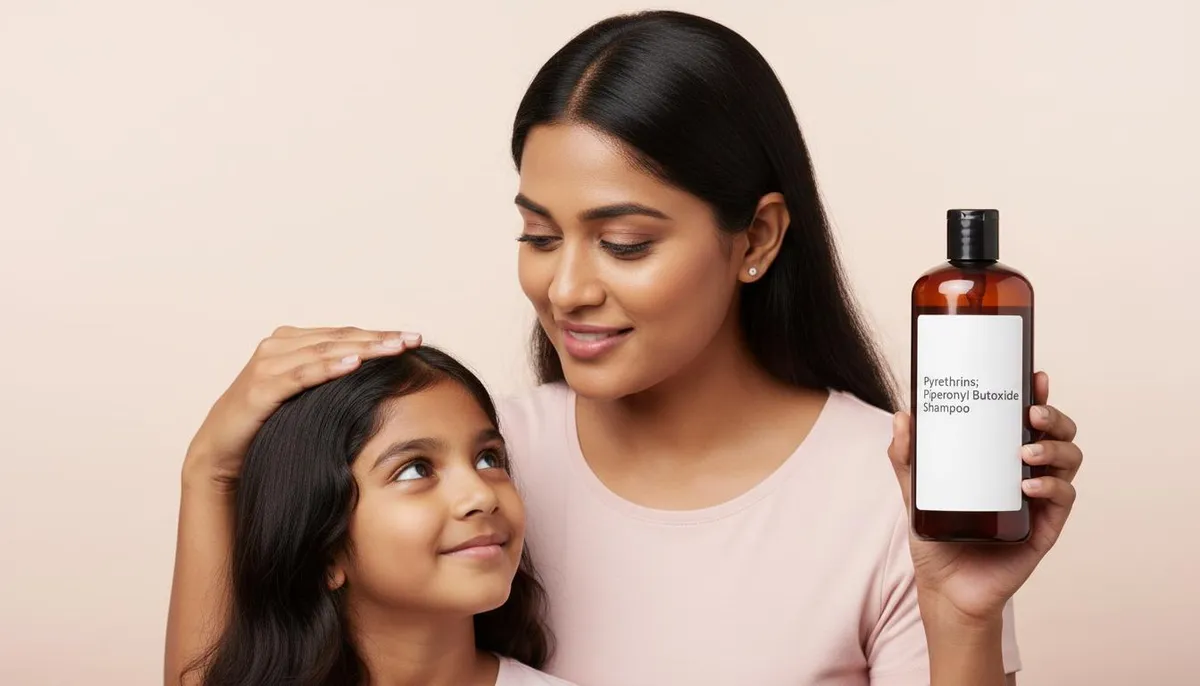
Have you ever scratched your head after your child comes home from school, only to find unwanted guests hiding in their hair? Dealing with head lice can feel frustrating, exhausting, and stressful for the entire family. Fortunately, effective treatments are readily available at your local pharmacy to help you get rid of them quickly. This guide will walk you through everything you need to know about using a medicated shampoo containing Pyrethrins and Piperonyl Butoxide to clear up head lice safely and successfully.
Head lice are tiny, wingless insects that feed on human blood from the scalp. While they do not spread dangerous diseases, their bites cause intense itching and social embarrassment. Over-the-counter medicated shampoos offer a fast, reliable way to tackle these pests right at home. Let us explore how this specific treatment works, how to use it safely, and how to keep lice from coming back.
Key Takeaways
- Pyrethrins and Piperonyl Butoxide shampoo kills live head lice effectively.
- It does not kill unhatched nits (eggs), so a second treatment is often necessary.
- Avoid using hair conditioners before applying the shampoo to ensure maximum effectiveness.
- Treat all affected family members at the same time to prevent bouncing infestations.
- Wash all clothing, bedding, and hair brushes in hot water to stop reinfection.
What is This Medicated Shampoo? (Pyrethrins and Piperonyl Butoxide)
Simply put, this is a specialized medicated treatment designed to kill head lice on contact. The shampoo contains two active chemical ingredients: Pyrethrins and Piperonyl Butoxide. Working together, these ingredients target the nervous system of the lice to eliminate them efficiently.
Pyrethrins are natural insecticides extracted from chrysanthemum flowers. They attack the nervous system of the lice, causing paralysis and death. Piperonyl Butoxide acts as a booster. It blocks enzymes inside the lice that would normally break down the Pyrethrins, making the treatment much stronger and harder for the lice to survive.
The most important thing to remember is that this shampoo kills live adult lice, but it usually does not destroy unhatched nits (eggs). Because of this, doctors often recommend repeating the treatment in about 7 to 10 days to catch any newly hatched bugs.
You can use this medicated treatment for head lice, as well as body lice and pubic lice, depending on the specific product formulation and package instructions. Always read the label carefully before starting any treatment course.
Things to Tell Your Doctor Before Using This Product
Before you apply this medicated shampoo, you should talk to your doctor or pharmacist if any of the following health situations apply to you or your child.
- You or your child have a history of asthma or breathing difficulties.
- You have known allergies to Pyrethrins, Piperonyl Butoxide, ragweed, or chrysanthemums.
- You are currently pregnant or planning to become pregnant in the near future.
- You are a breastfeeding mother nursing an infant.
- You have sensitive skin, open cuts, or severe inflammation on the scalp.
Sharing this health information helps your doctor decide if this particular shampoo is safe for you. If necessary, they can recommend alternative treatments that better suit your medical background.
How to Use This Shampoo Correctly
To get the best results from your treatment, you must follow the application steps carefully and precisely.
- For External Use Only: This medicine is strictly meant for application on hair and scalp skin. Never swallow it or get it inside the eyes, nose, or mouth.
- Skip the Conditioner: Do not use hair conditioner or shampoos containing conditioner right before applying the treatment. Conditioners coat the hair shafts and block the medicine from absorbing properly.
- Read the Label Instructions: Carefully read the package leaflet for your specific product brand. It will tell you exactly how long to leave the shampoo on your head.
- Washing Method: When rinsing out the shampoo, lean your head over a sink or tub rather than a shower. This minimizes contact with the rest of your body skin. Use lukewarm water rather than hot water.
- Post-Treatment Washing: Avoid washing your hair with regular shampoo for 1 to 2 days after the treatment so the medicine can continue working effectively.
If you are treating young children, always consult your pediatrician first. Most products are safe for children over two years old, but professional medical guidance ensures safe dosing and application.
What Happens If You Use Too Much?
If someone accidentally swallows this medicine or if you use far more than directed, seek medical help right away. Call your local emergency services at 911 (US/Canada) or 999 (UK), or visit the nearest emergency department (ER / A&E) right away. Bring the shampoo bottle with you so medical staff can see the exact ingredients.
How to Prevent Head Lice From Coming Back
Treating the scalp is only half the battle. You must also take steps to stop lice from spreading or returning through shared household items.
- Check Everyone in the Household: If one family member has lice, check everyone else living in the home. Treat everyone who shows signs of active infestation at the same time.
- Wash Clothes and Bedding: Wash all worn clothes, towels, pillowcases, and bed sheets in hot water. Dry them on the high heat cycle of your dryer for at least 20 minutes.
- Items That Cannot Be Washed: For non-washable items or stuffed toys, take them to a dry cleaner. Alternatively, seal them tightly in a plastic bag and store them away for 4 weeks.
- Sanitize Combs and Brushes: Soak all combs and hair brushes in hot soapy water (above 55°C or 131°F) for 5 to 10 minutes. Never share personal combs with others.
- Clean Living Areas: Vacuum carpets, car seats, upholstered furniture, and mattresses thoroughly to pick up any stray hairs carrying nits.
Possible Side Effects You Might Experience
Like any medicine, this shampoo can cause side effects in some people, though many users experience no issues at all.
| Side Effect Category | Description & Management |
|---|---|
| Severe Allergic Reactions (Seek Medical Help) | Skin rashes, hives, swelling of the lips, tongue, or face, difficulty breathing, or severe burning sensations on the scalp. |
| Mild Local Reactions (Monitor Closely) | Mild skin dryness, redness, slight itching, or a temporary tingling sensation on the scalp skin after washing. |
Keep in mind that your scalp will naturally feel itchy because of the lice bites. The itching may even linger for a short time after treatment. This does not mean the medicine failed. However, if itching becomes severe or lasts for many days, consult your doctor.
When to Call Emergency Services
Call 911 (US), 999 (UK), or go to your nearest emergency department right away if you or your child experience signs of a severe allergic reaction, such as sudden trouble breathing, wheezing, swelling of the throat, or widespread hives.
💡 Take-Home Message
Managing head lice requires patience, careful treatment application, and thorough cleaning of personal items. Here are the core points to remember from this guide:
- Pyrethrins and Piperonyl Butoxide shampoo kills live lice, but a second treatment in 7 to 10 days is often needed to catch newly hatched bugs.
- Do not apply hair conditioner before using the treatment, and avoid washing your hair for 1 to 2 days afterward.
- Examine all household members and treat everyone who has active lice at the same time to stop reinfection.
- Wash bedding, clothes, and combs in hot water or seal non-washable items in bags for 4 weeks.
- Seek immediate medical attention if you notice signs of severe allergic reactions like breathing trouble or facial swelling.
- Always talk to your doctor or pharmacist before treating infants, pregnant women, or nursing mothers.
Sources & References:
- Centers for Disease Control and Prevention (CDC). Head Lice Treatment and Management. Available from: CDC Head Lice.
- National Health Service (NHS UK). Head lice and nits. Available from: NHS Head Lice Guide.
- Mayo Clinic. Head lice - Diagnosis and treatment. Available from: Mayo Clinic Head Lice.
- Cleveland Clinic. Pediculosis Capitis (Head Lice): Management and Treatment. Available from: Cleveland Clinic.
- National Institutes of Health (NIH / MedlinePlus). Pyrethrins and Piperonyl Butoxide Topical. Available from: MedlinePlus.





No comments yet. Be the first to share your question or experience below.