
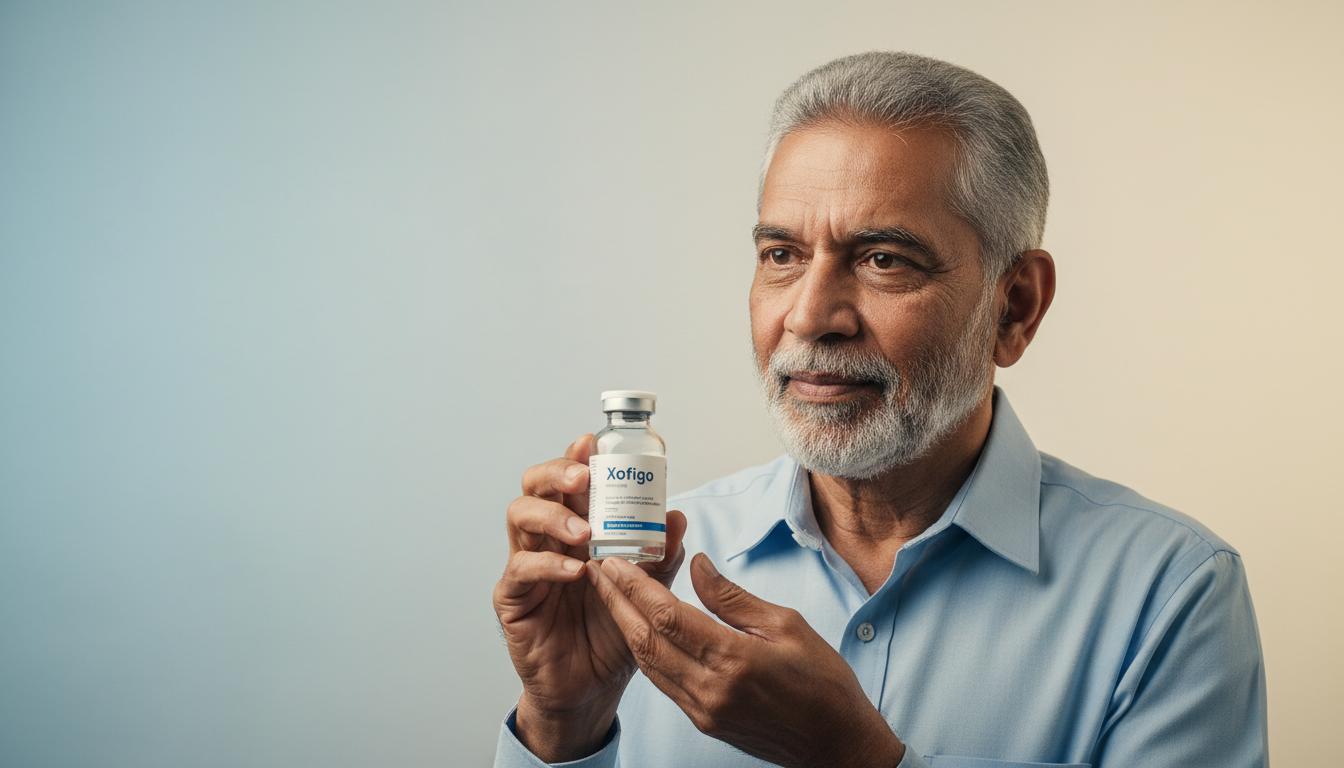
Facing a cancer diagnosis can feel overwhelming, especially when the disease spreads to other parts of your body. If your doctor mentions that prostate cancer has reached your bones, you may feel unsure about what comes next. You and your care team have specific treatment options designed to help you feel better and protect your health.
One specialized medicine your doctor might discuss with you is called radium-223 dichloride, often known by the brand name Xofigo. This guide walks you through how this medicine works, what to expect during your treatments, and how to stay safe and comfortable every step of the way.
Key Takeaways at a Glance.
- Radium-223 dichloride is a targeted radioactive medicine used when prostate cancer spreads to the bones.
- It delivers direct radiation to bone tumor sites while protecting most healthy tissues.
- The medicine is given as a slow injection into a vein in a hospital or clinic setting.
- Regular blood tests are necessary to monitor your blood counts throughout your care plan.
- Men receiving this treatment must use reliable contraception for safety.
BMI Calculator
Know your body mass index (BMI) and weight classification
What Is Radium-223 Dichloride?
Radium-223 dichloride is a specialized radioactive medicine, also called a radiopharmaceutical drug. When prostate cancer spreads to your bones, doctors call this condition bone metastases. This medicine is designed to target those specific areas in your bones.
The medicine works by homing in on areas where cancer cells are actively growing inside your bones. Once it reaches those spots, it delivers targeted radiation. This helps reduce bone damage, manage pain, and protect your skeletal health. Because the medicine goes straight to the bone, it limits the amount of radiation reaching your healthy organs.
Things to Tell Your Medical Team Before Starting.
Before you receive your first dose of radium-223 dichloride, you must share your complete health history with your doctor or nurse. Giving your medical team accurate information helps keep you safe.
Be sure to tell your care team if you have any of the following:
- A bleeding disorder or any condition that prevents your blood from clotting normally.
- Low blood cell counts, such as low white blood cells, low red blood cells, or low platelets.
- If you are pregnant, suspect you might be pregnant, or plan to become pregnant.
- If you are a nursing mother, as radioactive medicines can pass into breast milk.
How Is This Medicine Given?
Radium-223 dichloride is given as an injection directly into a vein. You cannot receive this medicine at home. A trained doctor, such as a doctor or a specialized nurse, will give you the injection at a hospital or specialized clinic.
The injection usually takes just a couple of minutes to complete. Your care team will monitor you closely during and after the procedure to ensure you feel comfortable.
What happens if a dose is too high? Because trained medical professionals supervise and give your dose, accidental overdose is extremely rare. However, if you ever suspect you received too much medicine, contact your local poison control center or emergency room right away.
Never share your medicine: This prescription is meant exclusively for you. Never share it with anyone else, as every patient requires a personalized medical plan.
What If You Miss a Dose?
Keeping your scheduled appointments is vital for your treatment to work properly. This injection is typically given once every four weeks for a total of six doses.
If you miss a scheduled appointment, call your doctor or clinic right away to reschedule. Do not try to change your schedule without professional guidance, as timing is crucial for your safety and recovery.
Does This Medicine Interact With Other Things?
Medical researchers have not conducted extensive studies on how radium-223 dichloride interacts with other drugs. However, you must provide your doctor with a complete list of everything you eat.
Tell your doctor about all of the following:
- All prescription drugs you take regularly.
- Over-the-counter medicines, vitamins, and minerals.
- Herbal supplements and traditional remedies.
- Whether you smoke, drink alcohol, or use recreational substances.
Sharing this information helps your doctor prevent unexpected health complications.
Things to Watch Out For During Treatment.
Your medical team will check on your health and well-being often throughout your treatment. Never skip your scheduled checkups and blood tests.
This medicine can make you feel more tired or unwell than usual. Similar to chemotherapy, the treatment affects both cancer cells and some healthy cells while it works. Always report any unusual symptoms to your doctor, and continue your treatment plan unless your doctor advises you to stop.
Protect Yourself From Infections.
This medicine can lower your white blood cell count, making it harder for your body to fight off germs. You are at a higher risk of developing infections.
Wash your hands often, avoid crowds, and stay away from anyone who is sick. If you develop a fever, chills, a sore throat, or a cough, call your doctor right away. Do not try to treat these symptoms on your own.
Watch for Bleeding and Bruising.
Your platelet count may drop during treatment. This your blood may take longer to clot. You might bruise or bleed more easily than normal.
Watch for unusual bleeding, such as nosebleeds, bleeding gums, tiny red spots on your skin, black tarry stools, or blood in your urine. Report any of these signs to your doctor right away.
Be Careful When Cleaning Your Teeth.
Brush your teeth gently and avoid harsh flossing methods that can cause your gums to bleed. Use a soft-bristled toothbrush to protect your mouth.
If you need dental work while receiving this treatment, tell your dentist right away that you are taking radium-223 dichloride.
Be Cautious With Pain Relievers.
Do not take over-the-counter pain relievers such as aspirin, acetaminophen, ibuprofen, naproxen, or ketoprofen unless your doctor specifically tells you to do so.
These medicines can mask fever or other signs of infection, making it harder for your doctor to spot health problems early.
Special Guidance for Male Patients (Sexual Health).
If you are a male patient, you must take extra precautions during and after your treatment. You must use a latex condom every time you have sexual intercourse while receiving this medicine and for at least six months after your final dose.
This rule applies even if you have had a vasectomy. The radiation in the treatment can damage sperm and harm a developing baby. If your partner becomes pregnant during this time, contact your doctor right away. You must also avoid donating sperm during treatment and for six months afterward.
Fertility Considerations.
This medicine can affect your ability to have children in the future. Talk openly with your doctor if you have concerns about your fertility before starting treatment. In some cases, options like sperm banking can be discussed beforehand.
Understanding Other Cancer Risks.
Receiving radioactive medicines can slightly increase your risk of developing other types of cancer later in life. Your doctors understand these risks and weigh them carefully against the benefits of treating your current cancer.
Talk to your medical team if you have questions or concerns about long-term health risks.
Regular Medical Testing.
Your care team will monitor your overall health throughout your treatment course. You will need frequent blood tests to check your red blood cells, white blood cells, and platelets, ensuring your body handles the medicine safely.
Possible Side Effects of Radium-223 Dichloride.
Like all medicines, radium-223 dichloride can cause side effects. Some require prompt medical attention. This others are mild and pass on their own.
Side Effects to Report to Your Doctor right away:.
- Allergic reactions: Skin rash, hives, swelling of your face, lips, or tongue, or trouble breathing.
- Low blood counts: Reduced white cells, red cells, or platelets leading to weakness or infection risks.
- Infection signs: Fever, chills, persistent cough, sore throat, or burning when you urinate.
- Bleeding signs: Unusual bruising, tiny red spots on the skin, black stools, or blood in your urine.
- Anemia signs: Extreme tiredness, dizziness, fainting, pale skin, or feeling lightheaded.
- Injection site reactions: Pain, redness, swelling, or warmth where the needle entered your vein.
- Fluid retention: Swelling in your ankles, feet, or hands.
Mild Side Effects That Usually Do Not Need Emergency Care:.
- Diarrhea or loose stools.
- Dizziness or lightheadedness.
- Dry mouth.
- Nausea, vomiting, or a temporary drop in appetite.
This list does not include every possible side effect. If you notice any unusual changes in your body, talk to your doctor or nurse right away.
| Side Effect Category. | Common Symptoms. | What You Should Do. |
|---|---|---|
| Low Blood Counts. | Fatigue, pale skin, easy bruising, bleeding. | Report to your doctor for routine blood tests. |
| digestive Upset. | Nausea, vomiting, mild diarrhea. | Stay hydrated and tell your nurse if it persists. |
| Infection Signs. | Fever, chills, sore throat. | Call your doctor right away for evaluation. |
Where Should This Medicine Be Stored?
You do not need to worry about storing radium-223 dichloride at home. Because it is a specialized radioactive injection given exclusively in clinical settings, you will never need to keep or store it yourself.
When to Call Emergency Services (911 / 999).
Call emergency services right away or go to the nearest emergency department if you experience severe allergic reactions, sudden trouble breathing, uncontrollable bleeding, or a high fever accompanied by severe chills.
Final Thoughts to Remember.
Managing prostate cancer that has spread to your bones is a journey, and you do not have to walk it alone. Radium-223 dichloride is a powerful tool designed to help control bone metastases and improve your quality of life.
Always keep an open dialogue with your healthcare team, report side effects early, and follow all safety and contraceptive guidance provided to you. Your doctors are here to support your health every step of the way.
Sources & References:
- Mayo Clinic. (2025). Radium Ra 223 Dichloride (Intravenous Route). Retrieved from Mayo Clinic Patient Care Guidelines.
- National Health Service (NHS). (2024). Treating Prostate Cancer That Has Spread to Bones. Retrieved from NHS Health Guidance.
- Cleveland Clinic. (2024). Bone Metastases and Radiopharmaceutical Therapies. Retrieved from Cleveland Clinic Medical Library.
- Centers for Disease Control and Prevention (CDC). (2025). Managing Infection Risks During Cancer Treatment. Retrieved from CDC Health Portal.
- National Institutes of Health (NIH) / PubMed. (2024). Clinical evaluation and safety profile of Radium-223 dichloride in metastatic castration-resistant prostate cancer.






No comments yet. Be the first to share your question or experience below.