
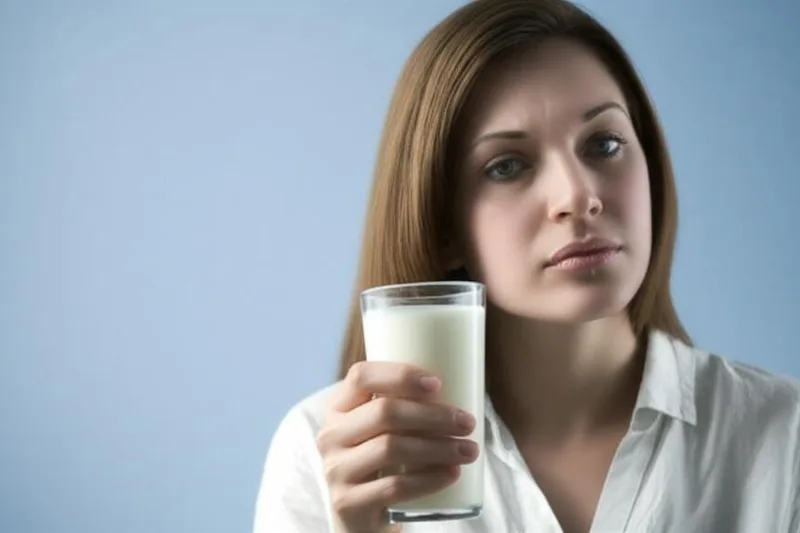
You've probably heard people say, "Raw milk is the best, it has the real goodness." There are times when you wish you could drink fresh milk straight from a farm. But is drinking raw milk as healthy and safe as you think? There are actually many misconceptions about this in society. So today, let's talk about what's true and what's not.
First of all, what is raw milk?
Simply put, raw milk is milk that has not been subjected to any sterilization process. Usually, you will see it written "Pasteurized" on the milk package we buy from the store. Pasteurization is the process of heating the milk to a certain temperature and destroying germs such as dangerous bacteria that can cause diseases.
So, unpasteurized milk is what we call "raw milk".
Just think, even when milking a healthy animal, germs from the animal's skin, the environment around it, and the equipment used to milk it can get into the milk. Some of these germs can cause serious diseases. Pasteurization is used to eliminate that risk.
Nowadays, many people in Sri Lanka also use pasteurized milk. However, some people still consume raw milk directly from farms. However, even major health organizations in the world advise against drinking raw milk, as it can cause dangerous infections.
What is the difference between raw milk and pasteurized milk?
In fact, there is not much difference between the two types of milk in terms of nutritional value. The main and most dangerous difference is that raw milk can contain disease-causing germs . These germs are destroyed when pasteurized.
The important thing is that pasteurization does not significantly damage the nutritional value of milk. It only protects you from dangerous diseases.
Studies have found that raw milk is more than 800 times more likely to cause illness than pasteurized milk, and the risk of hospitalization is 45 times higher.
| Milk type | Description |
|---|---|
| Raw Milk | Not pasteurized. There is a high risk of containing dangerous germs (e.g. E. coli, Salmonella, Listeria). The nutritional value is similar to pasteurized milk. |
| Pasteurized Milk | It is heated and sterilized. It is very safe to drink. There is no significant loss in nutritional value. |
Misconceptions and the truth about raw milk
Let's now look at some of the myths surrounding raw milk and the truth behind it.
Myth 1: Lactose intolerance improves when you drink raw milk.
Fact: Milk contains a type of sugar called lactose. Our bodies need an enzyme called lactase to digest it. Some people lack this enzyme. They experience stomach upset and bloating when they drink milk. Some people think that raw milk contains bacteria that produce the lactase enzyme, but this is completely wrong. A person with lactose intolerance will still experience the same symptoms even if they drink raw milk.
Myth 2: Drinking raw milk cures asthma and other allergies.
Fact: Several studies have shown that children who grow up in a farm environment and drink raw milk are less likely to develop asthma and allergies. But scientists say that it is not yet proven that raw milk is the cause. It may be because their immune systems are strengthened by exposure to various things in a farm environment. However, even the scientists who conducted these studies emphasize that the risk of serious infections from drinking raw milk far outweighs the small benefits.
Myth 3: Raw milk contains friendly bacteria.
Fact: Raw milk does contain bacteria. But the question is what kind of bacteria. Most of the time, these bacteria come from animal feces, infected udders, dirty environments, and equipment. Among them, there can be dangerous and potentially fatal bacteria, such as E. coli, Salmonella, and Listeria . So while there may be some good bacteria, the harm from the bad bacteria far outweighs the good.
Myth 4: Milk loses its nutrients when pasteurized.
Fact: This is also a complete misconception. Pasteurization does not significantly damage nutrients such as protein, fat, minerals like calcium, and vitamin A. Some vitamins, such as vitamin C, may be slightly reduced, but milk is not a food rich in vitamin C. Therefore, it does not have a significant impact.
So, is drinking raw milk really safe?
The short answer is, no . Drinking raw milk is not safe. The risks are very high.
| Dangerous germs that may be present in raw milk and their effects | |
|---|---|
| Germ | Possible symptoms |
| Brucella | Fever, body aches, fatigue, joint pain |
| Campylobacter | Diarrhea (often bloody), fever, stomach cramps |
| E. coli | Severe stomach cramps, bloody diarrhea, vomiting. In severe cases, kidney failure and even death can occur. |
| Listeria | Pregnant mothers may experience miscarriages, premature births, or severe infections in their newborns. Others may experience fever and muscle aches. |
| Salmonella | Diarrhea, fever, stomach ache, vomiting. |
Although anyone can get these infections, children under 5 years of age, people over 65, pregnant women, and people with weakened immune systems (e.g., cancer patients, diabetics) are at highest risk. A severe infection can lead to kidney failure, paralysis, stroke, and even death.
Bird Flu and Raw Milk
Recently, a bird flu virus spread among cows in the United States. The virus was found to be present in very high concentrations in the milk of these sick cows. It has been confirmed that pasteurization completely destroys this virus. Therefore , pasteurized milk is completely safe to drink.
But this virus can survive in raw milk for weeks in the refrigerator. Therefore, do not drink raw milk for any reason.
Remember, just because milk is produced in a clean and hygienic manner does not guarantee that it is 100% germ-free. You cannot tell whether the milk contains germs by its color, smell, or taste. The only surefire way to kill germs is through pasteurization.
If you or someone in your family develops symptoms such as fever, vomiting, or diarrhea after drinking raw milk, see a doctor immediately. If you have severe symptoms, go to the Emergency Department (ETU) of the nearest hospital.
Take-Home Message
- There is no scientific evidence that raw milk has any specific health benefits. Most of the claims are based on misconceptions.
- Pasteurized milk contains most of the same nutrients as raw milk, but without the risk of dangerous germs.
- Drinking raw milk carries a high risk of serious, even life-threatening infections such as E. coli, Salmonella, and Listeria .
- Especially young children, pregnant mothers, the elderly, and those with weakened immune systems should completely avoid drinking raw milk.
- For your safety and that of your family, always choose only pasteurized milk and dairy products. If in doubt, consult your doctor .


💬 Comments (0)
No comments yet. Be the first to share your thoughts here.
Add Your Comment