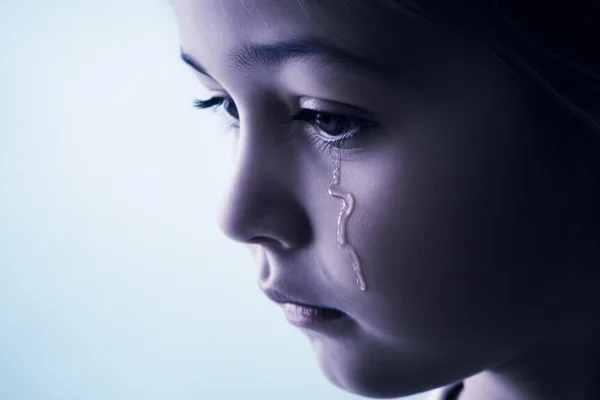
Shall we talk about child abuse? Isn't your child in danger too?

Shall we talk about child abuse? Isn't your child in danger too?
Today we are going to talk about a very sensitive and important topic. That is child abuse, or as we say in English, ``Child Abuse''. It is hard to hear this, but being aware of this will help a lot in protecting our children. So let's see what it is, how it happens, and what we need to do.

What is this child abuse?

Simply put, child abuse is the intentional harm or neglect of a child. Sadly, most of the time, this abuse is perpetrated by someone the child knows well. This could be a parent, a close relative, a caregiver, or a family friend. In many countries like the United States, child abuse laws state that any intentional harm or ill-treatment of a child under the age of 18 is abuse and a criminal offense. Another name for this is Adverse Childhood Experiences (ACEs). If these conditions are not treated properly, they can affect a child’s health and well-being for the rest of their life. Think about how something that happens in childhood can affect them for the rest of their life.

Some statistics on violence against children

This is more common than we think. For example, it is estimated that in 2021, in the United States alone, about 600,000 children were abused. In the same year, 1,820 children died from abuse and neglect. These statistics are scary, right?

Is this a serious violation of the law?

Yes, child abuse is a crime under the law. Depending on the severity of the crime, prosecutors may consider it a misdemeanor or a felony . However, most crimes of child abuse are considered serious offenses.

What types of violence can happen to children?

Child abuse can come in many forms. Let's look at the main types:

Physical child abuse

This includes hitting, pushing, hitting, kicking, shaking, and burning a child. It also includes not giving a child food or drink, or not allowing them to use the toilet. Imagine how helpless a small child would be if this happened to them.

Emotional child abuse

This often happens through words . Examples include constant scolding, blaming, forcing someone to do things they can't bear, threatening, and yelling. Sometimes, even if a physical wound heals, it takes a long time to heal the wounds in the heart.

Child sexual abuse

This is a very serious matter. This includes child rape, incest, physical abuse, nudity, using a child for pornography, or exposing a child to pornography . These types of things can turn a child's entire life upside down.

Medical child abuse

This may seem a bit strange, but it does happen. That is, intentionally trying to make a child sick, or not treating a child's illness.

Child neglect

Depriving a child of the basic necessities of food, shelter, education, medical care, and emotional support is also abuse. If a child does not receive even these basic necessities, it has a profound impact on their development.

Is spanking a child also abuse?

This is a topic that is often debated. There are different opinions on whether spanking a child to discipline them is abuse or not. Some countries have different laws on this. However, if the spanking causes injuries, bruises, swelling, or skin damage to the child, it is definitely abuse. Research has shown that spanking can hinder a child's social development. In particular, it can lower a child's self-esteem, reduce their academic skills, and weaken their relationships with family members. Before you spank a child, ask yourself these questions:
  • Am I doing this to teach the child something or to scare him?
  • Does the child know that I love this child?
  • What lesson am I trying to teach this child?
  • Will I be able to be happy about this decision later?
To learn more about healthy discipline methods, talk to your child's pediatrician.

How does sexual abuse affect a child?

Researchers have identified some characteristics of abused children. Some behaviors may be easily noticeable, for example:
  • Trying to have inappropriate sex.
  • Frequent physical complaints such as stomach aches and headaches .
  • Starting to do things you did as a child again, like finger-sucking and bed -wetting .
  • Running away from home.
  • Self-harm (e.g., cutting oneself).
  • Showing big changes in behavior.
Some other symptoms may be a little harder to identify: If you see symptoms like these, you should be concerned.

Who is most at risk of being bullied?

Some children are more at risk of abuse and neglect than others. These risk factors include:
  • Children living in poverty (the rate of child abuse is five times higher among children from families with incomes below the national poverty level).
  • Children under 4 years of age.
  • Children with special needs .
This does not mean that other children are not bullied, but it does mean that children in these categories are at greater risk.

How do you recognize that a child is being abused?

Signs that a child is being abused are not always obvious. You may first notice a change in your child's behavior. Or they may react differently to certain situations. If a child's behavior or temperament changes for no apparent reason, it could be a sign of abuse . Here are some other signs:

Physical characteristics:

  • One that looks dirty and neglected.
  • Having unexplained bruises, cuts, wounds , or skin problems that don't heal.
  • Untreated medical or dental problems.
  • Having pain in the genital area.
  • Vaginal bleeding other than monthly menstruation .
  • Unusual discharge or pain.

Mental/behavioral characteristics:

  • Fear of one or both parents, or of those who care for the child (e.g., babysitter, daycare center staff, teachers, coaches).
  • Fear of a certain activity or place.
  • Crying constantly, or crying at inappropriate times.
  • Regression is the return to childhood behaviors.
  • Behaving differently from other children, especially if it is a sudden change.
  • Being constantly absent from school.
  • Being alone and away from others.
  • Bullying other children or those younger than themselves, or being bullied by others.
  • Difficulty learning and concentrating.
  • Avoiding physical contact with adults, peers, or people older than oneself.
  • Trying to do things too well, or trying to please others too much.
  • Unusual, sexually suggestive behavior or speech, especially that appears to be overly mature or vulgar.
We need to be very careful when we see things like this.

Who is committing these atrocities?

Often, the abuser is someone who knows the child and is close to the child. For example:
  • A parent or other family member.
  • A family friend.
  • Someone to take care of the child.
  • Anyone close to the child (a teacher, coach, religious leader).
  • Peers or older children who have been bullied themselves and then imitate those things again.
This is the saddest part of this. These things can happen to the very people who trust the child.

Why do people do this to children?

There are several reasons why someone might abuse a child:
  • Having a history of abuse themselves: Parents or other adults who abuse children may have been abused themselves as children. Also, because they themselves were abused, some may be tempted to watch their children being abused. However, not all abused people abuse others. Most do not harm children.
  • Difficulty in caring for children: Some adults abuse their children because they do not know how to discipline them or because they have unrealistic expectations about their child's behavior .
  • Anger management: Some abusers are people who get angry when something goes wrong. They may have problems with family, money, work, or relationships. That frustration and anger can lead to violent behavior. Sometimes, they see the child as the source of the problem, so they are tempted to act against the child.
  • Untreated mental health conditions: People with depression, substance use disorders, or personality disorders are at increased risk of child abuse.
If you have abused a child or have seen signs of child abuse, please seek help from a local mental health agency. Getting help can help prevent or reduce long-term trauma for the child.

How does a doctor recognize these conditions?

The doctor will examine the child carefully, looking for physical and behavioral signs of abuse. District or provincial authorities may also participate in this investigation. The diagnosis may include:
  • Physical examination.
  • Lab tests (such as blood, urine tests).
  • X-rays or other imaging tests.
The diagnostic team also does the following:
  • Asks about the child's medical and developmental history.
  • Observes the child's behavior and interactions with parents or caregivers.
  • Talks with parents or caregivers.
  • If possible, talk to the child.

What is the treatment for a child who has been abused?

If a child has physical injuries, appears unconscious, or loses consciousness, immediate medical attention may be needed . Follow up with your doctor or see a specialist as needed. Children who have been abused often need ongoing mental health care . Counseling and psychotherapy can help prevent future abuse and reduce long-term damage. During psychotherapy sessions,A mental health counselor teaches children to be confident, build their self-esteem, and teach them healthy relationship and conflict management strategies.
Remember, therapy is also beneficial for parents. It can help them cope with the situation, identify the root causes of the abuse, and learn healthy parenting strategies.

How do you report child abuse?

If you see signs of child abuse, or if it is happening in your home, take action immediately .
  • Talk to your child: Talk to your child if you notice a change in their behavior, or if they start to react in a new way that is upsetting. Open, friendly communication (within healthy boundaries) will allow your child to trust you and feel comfortable telling you if they feel unsafe. Tell your children not to be afraid to tell you things, even if they think it will hurt someone.
  • Ask for help: Don't let fear or shame stop you from asking for help. When you report abuse to authorities, your name will not be shared with family or the person involved. If you suspect a child is being abused, call or contact:
  • If the child is in immediate danger , call 119 (Sri Lanka's police emergency number).
  • Your local child protection authority, police, or hospital .
  • The hotline number for the National Child Rights Promotion Bureau (NCPA) is 1929. This is operational 24 hours a day.
  • A pediatrician can also refer you in cases of child abuse.
  • A religious or spiritual advisor can provide advice and support.
You should also do these things:
  • Keep the child away from the abuser until the authorities are notified.
  • Any future relationship with that person should be under your supervision.
  • Never threaten a suspected abuser or take the law into your own hands.
If you believe you have abused a child, or are at risk of abuse:
  • Talk to a friend, family member, and a health professional.
  • Make sure the child is safe and away from you at this time.
  • Find a counselor who can understand your feelings and help you work through them.

What is this 'child abuse clearance'? (What is child abuse clearance?)

A 'child abuse clearance' is a process that helps someone prove they are not a criminal. In some countries, foster parents need this type of clearance. Also, if you want to work with children or volunteer, you may need this 'child abuse clearance'. This is part of the application process that helps employers select suitable employees. These rules vary from country to country.

What will be the future of children who have been abused?

Children who are bullied may experience the following:
  • Immediate injuries, including cuts, bruises, and broken bones.
  • Frequent injuries.
  • Learning challenges.
  • Emotional, psychological, and behavioral problems, including depression.
  • Anxiety and difficulties with social skills.
  • Fear of certain adults or places.
If left untreated, child abuse can have long-term effects on children. Adult survivors of child abuse are more likely to develop social and emotional problems.
They:
  • You can hurt others or accept being hurt.
  • You can try to commit suicide.
  • You can take care of others without worrying about your own well-being.
  • Sexual problems can occur, such as engaging in risky sexual behavior, becoming overly sexually active, or avoiding sex altogether.
  • It can be hard to trust people.
Survivors may also experience medical and behavioral problems in adulthood, such as:
  • Chronic pain, daily headaches, Fibromyalgia, and stomach pain.
  • Depression.
  • Low self-esteem.
  • Substance Use Disorder or alcohol use problems.
  • Toxic stress can affect brain development and increase the risk for PTSD and problems with learning, attention, and memory.

How can you improve the long-term recovery of a child who has been abused?

Find a mental health counselor . Therapy can help a child process what happened, learn to build healthy relationships, and reduce the long-term effects of the abuse. Managing the emotional impact of the abuse can also improve children's long-term physical health.

How do you help a child who has told you about bullying?

If a child tells you about abuse, take it seriously . Don't dismiss it as something trivial or assume they're acting out or lying. Do these things to protect your child:
  • Encourage open communication, listen to your child when they talk, let them explain what happened in their own words, comfort them, and remind them that you are there to talk or listen.
  • Remind the child that it is not their fault ; they are not responsible for the abuse.
  • Separate the child from the abuser and ensure that the child is safe.
  • Contact a doctor who can guide you on the next steps.
  • Get additional support, such as counseling, therapy, or support groups.
  • Be patient - children heal at different speeds; support your child throughout the healing process.

What questions should you ask your pediatrician?

If your child has been abused, talk to your pediatrician. Ask these questions:
  • What physical therapy does my child need now?
  • What kind of therapy will help my child?
  • Will family therapy benefit us?
  • How can I help my child recover?
  • Are there things we shouldn't do or say?
  • How else can I protect my child?

Finally, the most important thing

Unfortunately, child abuse is common. Children who are abused are at risk for both current and future health problems. However, there is hope for recovery . Learn to recognize the signs of child abuse, such as a child behaving strangely or differently. If you suspect abuse, protect your child from the abuser and seek professional help. Physical and mental health services can help reduce the long-term effects of child abuse. Talk to your doctor (or your child's doctor) about ways to stop and prevent child abuse. Our children are our future, and it is our responsibility to protect them.
` Child abuse, child abuse, child protection, mental health, child care, signs of child abuse, asking for help
⚠️ Important: The medical articles and information on Nirogi Lanka are for general awareness only, and are by no means a substitute for professional medical advice, diagnosis, or treatment. For any medical problem you have, consult a qualified physician immediately.

💬 Comments (0)

No comments yet. Be the first to share your thoughts here.

Add Your Comment

Please calculate: 6 + 3 =
Shall we talk about child abuse? Isn't your child in danger too?
Staying SafeNovember 27, 2025

Shall we talk about child abuse? Isn't your child in danger too?

Today we are going to talk about a very sensitive and important topic. That is child abuse, or as we say in English, ``Child Abuse''. It is hard to hear this, but being aware of this will help a lot in protecting our children. So let's see what it is, how it happens, and what we need to do.

What is this child abuse?

Simply put, child abuse is the intentional harm or neglect of a child. Sadly, most of the time, this abuse is perpetrated by someone the child knows well. This could be a parent, a close relative, a caregiver, or a family friend. In many countries like the United States, child abuse laws state that any intentional harm or ill-treatment of a child under the age of 18 is abuse and a criminal offense. Another name for this is Adverse Childhood Experiences (ACEs). If these conditions are not treated properly, they can affect a child’s health and well-being for the rest of their life. Think about how something that happens in childhood can affect them for the rest of their life.

Some statistics on violence against children

This is more common than we think. For example, it is estimated that in 2021, in the United States alone, about 600,000 children were abused. In the same year, 1,820 children died from abuse and neglect. These statistics are scary, right?

Is this a serious violation of the law?

Yes, child abuse is a crime under the law. Depending on the severity of the crime, prosecutors may consider it a misdemeanor or a felony . However, most crimes of child abuse are considered serious offenses.

What types of violence can happen to children?

Child abuse can come in many forms. Let's look at the main types:

Physical child abuse

This includes hitting, pushing, hitting, kicking, shaking, and burning a child. It also includes not giving a child food or drink, or not allowing them to use the toilet. Imagine how helpless a small child would be if this happened to them.

Emotional child abuse

This often happens through words . Examples include constant scolding, blaming, forcing someone to do things they can't bear, threatening, and yelling. Sometimes, even if a physical wound heals, it takes a long time to heal the wounds in the heart.

Child sexual abuse

This is a very serious matter. This includes child rape, incest, physical abuse, nudity, using a child for pornography, or exposing a child to pornography . These types of things can turn a child's entire life upside down.

Medical child abuse

This may seem a bit strange, but it does happen. That is, intentionally trying to make a child sick, or not treating a child's illness.

Child neglect

Depriving a child of the basic necessities of food, shelter, education, medical care, and emotional support is also abuse. If a child does not receive even these basic necessities, it has a profound impact on their development.

Is spanking a child also abuse?

This is a topic that is often debated. There are different opinions on whether spanking a child to discipline them is abuse or not. Some countries have different laws on this. However, if the spanking causes injuries, bruises, swelling, or skin damage to the child, it is definitely abuse. Research has shown that spanking can hinder a child's social development. In particular, it can lower a child's self-esteem, reduce their academic skills, and weaken their relationships with family members. Before you spank a child, ask yourself these questions:
  • Am I doing this to teach the child something or to scare him?
  • Does the child know that I love this child?
  • What lesson am I trying to teach this child?
  • Will I be able to be happy about this decision later?
To learn more about healthy discipline methods, talk to your child's pediatrician.

How does sexual abuse affect a child?

Researchers have identified some characteristics of abused children. Some behaviors may be easily noticeable, for example:
  • Trying to have inappropriate sex.
  • Frequent physical complaints such as stomach aches and headaches .
  • Starting to do things you did as a child again, like finger-sucking and bed -wetting .
  • Running away from home.
  • Self-harm (e.g., cutting oneself).
  • Showing big changes in behavior.
Some other symptoms may be a little harder to identify: If you see symptoms like these, you should be concerned.

Who is most at risk of being bullied?

Some children are more at risk of abuse and neglect than others. These risk factors include:
  • Children living in poverty (the rate of child abuse is five times higher among children from families with incomes below the national poverty level).
  • Children under 4 years of age.
  • Children with special needs .
This does not mean that other children are not bullied, but it does mean that children in these categories are at greater risk.

How do you recognize that a child is being abused?

Signs that a child is being abused are not always obvious. You may first notice a change in your child's behavior. Or they may react differently to certain situations. If a child's behavior or temperament changes for no apparent reason, it could be a sign of abuse . Here are some other signs:

Physical characteristics:

  • One that looks dirty and neglected.
  • Having unexplained bruises, cuts, wounds , or skin problems that don't heal.
  • Untreated medical or dental problems.
  • Having pain in the genital area.
  • Vaginal bleeding other than monthly menstruation .
  • Unusual discharge or pain.

Mental/behavioral characteristics:

  • Fear of one or both parents, or of those who care for the child (e.g., babysitter, daycare center staff, teachers, coaches).
  • Fear of a certain activity or place.
  • Crying constantly, or crying at inappropriate times.
  • Regression is the return to childhood behaviors.
  • Behaving differently from other children, especially if it is a sudden change.
  • Being constantly absent from school.
  • Being alone and away from others.
  • Bullying other children or those younger than themselves, or being bullied by others.
  • Difficulty learning and concentrating.
  • Avoiding physical contact with adults, peers, or people older than oneself.
  • Trying to do things too well, or trying to please others too much.
  • Unusual, sexually suggestive behavior or speech, especially that appears to be overly mature or vulgar.
We need to be very careful when we see things like this.

Who is committing these atrocities?

Often, the abuser is someone who knows the child and is close to the child. For example:
  • A parent or other family member.
  • A family friend.
  • Someone to take care of the child.
  • Anyone close to the child (a teacher, coach, religious leader).
  • Peers or older children who have been bullied themselves and then imitate those things again.
This is the saddest part of this. These things can happen to the very people who trust the child.

Why do people do this to children?

There are several reasons why someone might abuse a child:
  • Having a history of abuse themselves: Parents or other adults who abuse children may have been abused themselves as children. Also, because they themselves were abused, some may be tempted to watch their children being abused. However, not all abused people abuse others. Most do not harm children.
  • Difficulty in caring for children: Some adults abuse their children because they do not know how to discipline them or because they have unrealistic expectations about their child's behavior .
  • Anger management: Some abusers are people who get angry when something goes wrong. They may have problems with family, money, work, or relationships. That frustration and anger can lead to violent behavior. Sometimes, they see the child as the source of the problem, so they are tempted to act against the child.
  • Untreated mental health conditions: People with depression, substance use disorders, or personality disorders are at increased risk of child abuse.
If you have abused a child or have seen signs of child abuse, please seek help from a local mental health agency. Getting help can help prevent or reduce long-term trauma for the child.

How does a doctor recognize these conditions?

The doctor will examine the child carefully, looking for physical and behavioral signs of abuse. District or provincial authorities may also participate in this investigation. The diagnosis may include:
  • Physical examination.
  • Lab tests (such as blood, urine tests).
  • X-rays or other imaging tests.
The diagnostic team also does the following:
  • Asks about the child's medical and developmental history.
  • Observes the child's behavior and interactions with parents or caregivers.
  • Talks with parents or caregivers.
  • If possible, talk to the child.

What is the treatment for a child who has been abused?

If a child has physical injuries, appears unconscious, or loses consciousness, immediate medical attention may be needed . Follow up with your doctor or see a specialist as needed. Children who have been abused often need ongoing mental health care . Counseling and psychotherapy can help prevent future abuse and reduce long-term damage. During psychotherapy sessions,A mental health counselor teaches children to be confident, build their self-esteem, and teach them healthy relationship and conflict management strategies.
Remember, therapy is also beneficial for parents. It can help them cope with the situation, identify the root causes of the abuse, and learn healthy parenting strategies.

How do you report child abuse?

If you see signs of child abuse, or if it is happening in your home, take action immediately .
  • Talk to your child: Talk to your child if you notice a change in their behavior, or if they start to react in a new way that is upsetting. Open, friendly communication (within healthy boundaries) will allow your child to trust you and feel comfortable telling you if they feel unsafe. Tell your children not to be afraid to tell you things, even if they think it will hurt someone.
  • Ask for help: Don't let fear or shame stop you from asking for help. When you report abuse to authorities, your name will not be shared with family or the person involved. If you suspect a child is being abused, call or contact:
  • If the child is in immediate danger , call 119 (Sri Lanka's police emergency number).
  • Your local child protection authority, police, or hospital .
  • The hotline number for the National Child Rights Promotion Bureau (NCPA) is 1929. This is operational 24 hours a day.
  • A pediatrician can also refer you in cases of child abuse.
  • A religious or spiritual advisor can provide advice and support.
You should also do these things:
  • Keep the child away from the abuser until the authorities are notified.
  • Any future relationship with that person should be under your supervision.
  • Never threaten a suspected abuser or take the law into your own hands.
If you believe you have abused a child, or are at risk of abuse:
  • Talk to a friend, family member, and a health professional.
  • Make sure the child is safe and away from you at this time.
  • Find a counselor who can understand your feelings and help you work through them.

What is this 'child abuse clearance'? (What is child abuse clearance?)

A 'child abuse clearance' is a process that helps someone prove they are not a criminal. In some countries, foster parents need this type of clearance. Also, if you want to work with children or volunteer, you may need this 'child abuse clearance'. This is part of the application process that helps employers select suitable employees. These rules vary from country to country.

What will be the future of children who have been abused?

Children who are bullied may experience the following:
  • Immediate injuries, including cuts, bruises, and broken bones.
  • Frequent injuries.
  • Learning challenges.
  • Emotional, psychological, and behavioral problems, including depression.
  • Anxiety and difficulties with social skills.
  • Fear of certain adults or places.
If left untreated, child abuse can have long-term effects on children. Adult survivors of child abuse are more likely to develop social and emotional problems.
They:
  • You can hurt others or accept being hurt.
  • You can try to commit suicide.
  • You can take care of others without worrying about your own well-being.
  • Sexual problems can occur, such as engaging in risky sexual behavior, becoming overly sexually active, or avoiding sex altogether.
  • It can be hard to trust people.
Survivors may also experience medical and behavioral problems in adulthood, such as:
  • Chronic pain, daily headaches, Fibromyalgia, and stomach pain.
  • Depression.
  • Low self-esteem.
  • Substance Use Disorder or alcohol use problems.
  • Toxic stress can affect brain development and increase the risk for PTSD and problems with learning, attention, and memory.

How can you improve the long-term recovery of a child who has been abused?

Find a mental health counselor . Therapy can help a child process what happened, learn to build healthy relationships, and reduce the long-term effects of the abuse. Managing the emotional impact of the abuse can also improve children's long-term physical health.

How do you help a child who has told you about bullying?

If a child tells you about abuse, take it seriously . Don't dismiss it as something trivial or assume they're acting out or lying. Do these things to protect your child:
  • Encourage open communication, listen to your child when they talk, let them explain what happened in their own words, comfort them, and remind them that you are there to talk or listen.
  • Remind the child that it is not their fault ; they are not responsible for the abuse.
  • Separate the child from the abuser and ensure that the child is safe.
  • Contact a doctor who can guide you on the next steps.
  • Get additional support, such as counseling, therapy, or support groups.
  • Be patient - children heal at different speeds; support your child throughout the healing process.

What questions should you ask your pediatrician?

If your child has been abused, talk to your pediatrician. Ask these questions:
  • What physical therapy does my child need now?
  • What kind of therapy will help my child?
  • Will family therapy benefit us?
  • How can I help my child recover?
  • Are there things we shouldn't do or say?
  • How else can I protect my child?

Finally, the most important thing

Unfortunately, child abuse is common. Children who are abused are at risk for both current and future health problems. However, there is hope for recovery . Learn to recognize the signs of child abuse, such as a child behaving strangely or differently. If you suspect abuse, protect your child from the abuser and seek professional help. Physical and mental health services can help reduce the long-term effects of child abuse. Talk to your doctor (or your child's doctor) about ways to stop and prevent child abuse. Our children are our future, and it is our responsibility to protect them.
` Child abuse, child abuse, child protection, mental health, child care, signs of child abuse, asking for help
⚠️ Important: The medical articles and information on Nirogi Lanka are for general awareness only, and are by no means a substitute for professional medical advice, diagnosis, or treatment. For any medical problem you have, consult a qualified physician immediately.

💬 Comments (0)

No comments yet. Be the first to share your thoughts here.

Add Your Comment

Please calculate: 6 + 3 =