

If you are a person who is being treated for diabetes, your doctor has probably prescribed this type of insulin injection. You may get it under names like Humulin 70/30, Novolin 70/30. This is not actually one type of insulin, but a combination of two types of insulin. That is why we need to be a little more careful when using it. So today we will talk about what this medicine is, how exactly it is used, and what things to pay attention to.
What actually happens with this mixed insulin?
Simply put, this is a medicine that helps control diabetes. It works by increasing the level of insulin in your body and lowering the level of sugar (glucose) in your blood.
Think of it like a special combination of a short-acting insulin and an intermediate-acting insulin. The combination of these two will help you control your blood sugar levels better. But remember, this medicine alone is not enough. A healthy diet and exercise are also essential parts of this treatment.
Things you need to tell your doctor before taking medicine
It is very important that your doctor informs you about these things before you start taking this insulin.
- If you have frequent episodes of hypoglycemia (low blood sugar ).
- If you have eye diseases or vision impairment .
- If you have kidney disease .
- If you have liver disease.
- If you have allergies to insulin, the ingredient metacresol, other medications, foods, or coloring agents.
- If you are pregnant or hoping to become pregnant .
- If you are a mother who is breastfeeding your child .
Based on this information, the doctor will create the treatment plan that best suits you.
How to use this insulin correctly?
This is the most important part. You must follow these instructions exactly.
1. How to give the injection: This is an injection that is injected under the skin. Your doctor or nurse will show you how to give it properly.
2. Time before eating: The doctor will tell you how long after the injection you should eat. Usually, you should take the injection about 30 minutes before .
3. Appearance of the insulin: This is very important. Always look at the bottle before using it.
- Before mixing: This should be white, milky in appearance.
- After mixing: You should see a uniform milky color (uniformly cloudy).
- How to mix? Roll the bottle between your hands about ten times . Never shake it vigorously.
- Do not use: If the insulin has changed color, if you see clumps of it, or if it is not mixed properly , definitely do not use it.
4. Needles and syringes: Never throw used needles and syringes in the trash. Put them in a sharps container. If you don't have one, ask your doctor about it.
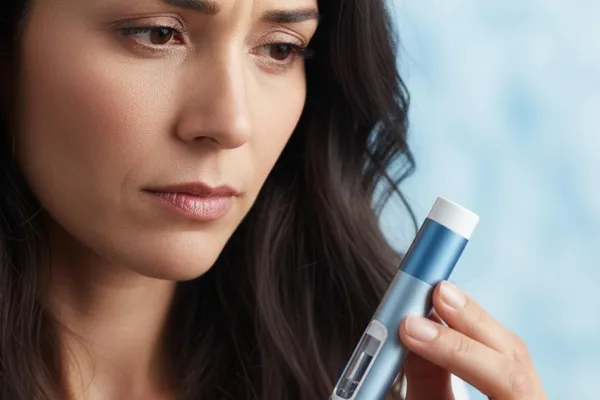
5. Insulin Pens: If you are using a pen, don't forget to remove the outer needle cover before injecting.
In case of overdose: If you think you have taken an overdose by mistake, immediately call the National Poisons Information Centre at the Colombo National Hospital , or go to the Emergency Treatment Unit (ETU) of the nearest hospital.
What if I miss a dose?
It is not a good idea to miss a dose. Talk to your doctor about what to do if you miss a dose and make a plan for it. Do not take two doses at once to make up for a missed dose for any reason.
Other medications and things that may interact with insulin
Some medications you take can affect the way insulin works, so it's important to tell your doctor about every medication, vitamin, and herbal product you take.
| Substance/drug type | Things to consider |
|---|---|
| Alcohol | Sugar levels can be affected unexpectedly. |
| Aspirin and similar medications | May increase the risk of low blood sugar. |
| Beta-blockers | (e.g. Metoprolol, Propranolol) - May mask the symptoms of low blood sugar (hypoglycemia). |
| Types of Steroids | (e.g. Prednisone) - May increase blood sugar levels. |
| Diuretics | May affect sugar levels. |
| Other diabetes medications | (e.g. Glyburide, Glipizide) - You need to be more careful about your sugar levels. |
| Some cold/cough medicines | These may contain sugar or alcohol. |
This list is not complete, so tell your doctor about everything you take.
Things to keep in mind when using
- Regular check-ups: Visit your doctor regularly to check your condition. A blood test called HbA1C can give you a good idea of your blood sugar control over the past 2-3 months.
- Measuring blood sugar levels: Learn how to monitor blood sugar levels at home. Be aware of the symptoms of hypoglycemia and hyperglycemia .
- If your blood sugar drops: Always keep something with you, such as a sugar cube, toffee, or glucose tablet. But remember, if you have a seizure or lose consciousness, you should never put anything in your mouth , as it could cause you to choke. If that happens, you should go to the hospital immediately.
- Don't share: > Never, ever share insulin pens or cartridges with anyone else. Even if you share a needle, you can still spread dangerous viruses like Hepatitis and HIV.
- Medical ID: Wearing a card or bracelet (medical ID) with details about your medical condition and medications can help save your life in an emergency.
Possible side effects
| Side effects that should be reported to the doctor immediately | |
|---|---|
| Allergic reactions | Skin rash, itching, swelling of the face, lips, tongue or throat. |
| Low blood sugar (Hypoglycemia) | Tremors, sweating, restlessness, dizziness, rapid heartbeat, and confusion. |
| Decreased potassium levels | Muscle pain or stiffness, unusual weakness, changes in heart rate. |
| Usually nothing to worry about (but tell your doctor if it persists) | |
| Lipodystrophy | Thickening of the tissue under the skin, lumps, or scars at the injection site. (This can happen if you get the shot in the same place.) |
| At the injection site | Minor pain, redness, or itching. |
| Weight gain | Some people notice weight gain. |
How to store insulin?
This is also something you need to be aware of. If stored incorrectly, insulin can lose its effectiveness.
Unopened bottles and pens
- Humulin 70/30 vials: Store in the refrigerator (2-8 degrees Celsius) or at room temperature (below 30 degrees Celsius). If stored at room temperature, discard after 31 days .
- Novolin 70/30 bottles: Store in the refrigerator (2-8 Celsius) or at room temperature (below 25 Celsius). If stored at room temperature, discard after 42 days .
- Humulin 70/30 KwikPens: Store in the refrigerator (2-8 Celsius) or at room temperature (below 30 Celsius). If stored at room temperature, discard after 10 days .
- Novolin 70/30 FlexPens: Store in the refrigerator (2-8 Celsius) or at room temperature (below 30 Celsius). If stored at room temperature, discard after 28 days .
In-use bottles and pens
- Humulin 70/30 bottles: Store in the refrigerator or at room temperature (below 30 degrees Celsius). Discard within 31 days of opening.
- Novolin 70/30 bottles: Store at room temperature (below 25 degrees Celsius). Do not refrigerate. Discard within 42 days of opening.
- Humulin 70/30 KwikPens: Store at room temperature (below 30 degrees Celsius). Do not refrigerate. Discard within 10 days of opening (even if there is insulin left).
- Novolin 70/30 FlexPens: Store at room temperature (below 30 degrees Celsius). Do not refrigerate. Discard within 28 days of opening (even if there is insulin left).
Important: Never freeze insulin. Do not use frozen insulin. Keep away from excessive heat and light. Throw away expired medication.
Take-Home Message
- Always check the appearance of the insulin (milky color, no clumps) before injecting it. Mix well.
- Do not share your insulin pen, syringe, or needles with anyone else for any reason.
- Be aware of the symptoms of low blood sugar (hypoglycemia). Always keep something with sugar nearby.
- Tell your doctor about all other medications you are taking.
- Store insulin correctly. Once opened, be sure to discard it within the specified number of days.
- If you have any concerns or are unsure about something, never hesitate to talk to your doctor.




💬 Comments (0)
No comments yet. Be the first to share your thoughts here.
Add Your Comment