

Do you often wake up with stiff joints, sore muscles, or nagging body aches? If you are living with arthritis or regular joint pain, your doctor may have mentioned a medicine called Salsalate. It belongs to a group of medicines known as NSAIDs, which stands for non-steroidal anti-inflammatory drugs. In simple terms, this medicine helps calm down pain and swelling in your body. Let us take a close, easy-to-read look at what Salsalate tablets are, how they work, and what you need to know to use them safely.
Key Takeaways About Salsalate Tablets
- Salsalate is an NSAID used primarily to reduce joint pain and swelling from arthritis.
- Always swallow the tablets with a full glass of water and stay upright for ten minutes.
- Tell your doctor about all other medicines you take to avoid dangerous drug interactions.
- Watch out for serious side effects like stomach bleeding, skin rashes, or chest pain.
- Never share your medicine with others, even if they have the exact same symptoms.
Know your body mass index (BMI) and weight classification
Things to Tell Your Doctor Before Taking Salsalate
Before you start taking Salsalate, you must share your complete medical history with your doctor. Not every medicine is right for everyone, and certain health conditions can make this medicine unsafe or require extra care. Tell your doctor right away if you have any of the following health issues:
- You suffer from asthma or breathing problems.
- You drink alcohol regularly or on most days.
- You have heart disease or a history of heart issues.
- You have high blood pressure that requires monitoring.
- You suffer from kidney disease or poor kidney function.
- You have liver disease or poor liver function.
- You have a history of stomach ulcers or stomach bleeding.
- You have ever had a strange allergic reaction to Salsalate, aspirin, other NSAIDs, or any food dyes and preservatives.
- You are pregnant, planning to become pregnant, or trying to start a family.
- You are breastfeeding or plan to breastfeed your baby.
Talking about these details with your doctor helps make sure that taking Salsalate is safe and right for your body.
How to Take Salsalate Correctly
Taking this medicine the right way is simple, but you must follow a few clear rules every single day.
Take Salsalate by mouth with a full glass of water. If the medicine upsets your stomach, try taking it with food or milk to soothe your gut. Another important tip is to avoid lying down right after taking your dose. Sit up or stand for at least ten minutes. This simple step helps the tablet travel all the way down to your stomach and prevents irritation in your throat.
Take your medicine exactly as your doctor tells you, following the exact dose and schedule. Read the prescription label carefully every time you get a refill. Never take more medicine, take it more often, or take it for a longer time than your doctor recommends.
When you pick up your medicine from the pharmacy, you will often receive a special Medicine Guide. Read this paper carefully every time you get your refill because it contains helpful updates and safety details.
If you are giving this medicine to a child, extra caution is necessary. Always talk to your pediatrician first before sharing any adult anti-inflammatory drugs with kids.
If you are an adult over 65 years old, your body may react more strongly to this medicine. Your doctor will likely start you on a lower dose to keep you safe.
An important rule: This medicine was prescribed just for you. Never share your Salsalate with other people. Even if someone has the exact same joint pain or arthritis symptoms, sharing prescription drugs can cause severe harm.
If you or someone else accidentally takes too much of this medicine, call your local poison control center right away or go to the nearest hospital emergency room (ER or A&E). In the US and Canada, call 911; in the UK, call 999.
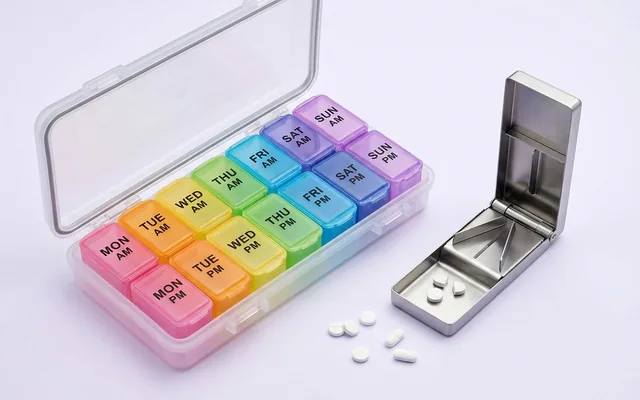
Airtight double-lock weekly medication organizer with removable day pods and a surgical stainless-steel tablet cutter for accurate half-tablet splitting and adherence.
View Clinical Details →What to Do If You Miss a Dose
Life gets busy, and it is easy to forget a medicine dose sometimes. If you miss your scheduled dose of Salsalate, do not panic. Take the missed dose as soon as you remember. However, if it is almost time for your next regular dose, skip the missed dose completely and stick to your normal schedule. Never take a double dose to make up for a missed one. Taking two doses at once greatly increases your risk of dangerous side effects.
Medicines and Substances to Avoid While Taking Salsalate
Drug interactions are a major concern when taking Salsalate. Mixing certain products together can change how your medicines work or cause severe health problems.
First, there are specific medicines that you must never take alongside Salsalate:
- Ketorolac .
- Probenecid .
In addition, Salsalate can interact with many other common drugs and substances. Make sure your doctor knows if you take any of the following items:
- Acetazolamide .
- Alcohol – Drinking alcohol while taking this medicine can increase your risk of stomach bleeding. It is best to avoid alcohol entirely.
- Aspirin and aspirin-like pain relievers .
- Bismuth subsalicylate .
- Cidofovir .
- Diuretics – Water pills that help your body get rid of extra fluid .
- Flavocoxid .
- Lithium .
- Medicines for high blood pressure .
- Blood thinners or antiplatelet drugs such as Clopidogrel, Ticlopidine, or Warfarin .
- Methazolamide .
- Methotrexate .
- Other NSAID pain relievers like Ibuprofen or Naproxen .
- Sulfinpyrazone .
- Varicella virus live vaccine .
This list does not include every possible interaction. Always give your doctor a complete list of your prescription drugs, over-the-counter medicines, herbal products, vitamins, and dietary supplements. Mention if you smoke, drink alcohol, or use recreational drugs, as these factors also affect your treatment.
Important Safety Precautions During Treatment
While Salsalate helps many people manage arthritis pain, you must keep several important safety points in mind while taking it.
- If your pain does not improve: If your joint pain stays the same or gets worse after starting this medicine, talk to your doctor. Do not take extra pain relievers on your own. Always consult your doctor first to adjust your plan safely.
- Heart attack and stroke risks: Salsalate does not protect against heart attacks or strokes. In fact, taking NSAIDs can raise your risk of a serious heart attack or stroke. This risk increases the longer you take the medicine or if you already have heart disease. If you take low-dose aspirin to protect your heart, talk to your doctor before adding Salsalate.
- Other NSAIDs and stomach issues: Do not take aspirin, ibuprofen, naproxen, or other NSAIDs while taking Salsalate unless your doctor explicitly tells you to. Mixing these medicines raises your risk of severe stomach irritation, nausea, and bleeding ulcers. Many over-the-counter cold and flu products also contain NSAIDs, so always read product labels carefully. Stomach ulcers and bleeding can happen without any warning signs. Smoking, drinking alcohol, older age, and poor overall health raise this risk even more. If you feel severe belly pain, throw up blood, or notice black, tarry stools, call your doctor right away.
- Pregnancy and breastfeeding: This is a critical safety rule. If you plan to get pregnant or suspect you might be pregnant, speak with your doctor right away. Using this medicine during the late stages of pregnancy can cause severe birth defects. If you need Salsalate between week 20 and week 30 of pregnancy, your doctor will monitor you very closely. Doctors do not recommend taking Salsalate after 30 weeks of pregnancy at all.
- Alertness and coordination: Salsalate can affect your physical coordination, reaction times, and clear thinking. Do not drive a car, operate heavy machinery, or do dangerous tasks until you know how this medicine affects you. Stand up or sit down slowly to prevent dizziness and lightheadedness. Drinking alcohol while taking this medicine makes these side effects worse.
- Serious skin reactions: Salsalate can sometimes trigger severe, life-threatening skin reactions that can appear even weeks after starting treatment. Call your doctor right away if you develop a skin rash accompanied by flu-like symptoms, fever, and swollen lymph nodes. The rash may turn red or purple, form painful blisters, and cause your skin to peel. Swelling in your face, lips, or neck is also an emergency sign. Get medical help right away if you notice any of these symptoms.
⚠️ Emergency Red Flags: When to Call 911 / 999 or Go to the ER
Seek emergency medical attention right away if you experience any of the following critical warning signs:
- Signs of severe allergic reaction: trouble breathing, throat closing, or swelling of your face, lips, and tongue.
- Signs of stomach bleeding: coughing up blood, vomit that looks like coffee grounds, or black and tarry stools.
- Signs of a heart attack: crushing chest pain spreading to your jaw or left arm, sudden sweating, and shortness of breath.
- Signs of a stroke: sudden weakness on one side of your body, slurred speech, or sudden vision changes.
- Signs of severe skin damage: widespread blistering, peeling skin, or painful sores inside your mouth.
Possible Side Effects of Salsalate
Like all medicines, Salsalate can cause side effects, though not everyone experiences them. Some side effects require prompt medical attention. This others are mild and disappear on their own as your body adjusts.
Side Effects That Require Prompt Medical Attention
Call your doctor or seek medical care right away if you notice any of these serious side effects:
- Allergic reactions: Skin rashes, hives, itching, or swelling of the face, lips, tongue, and throat.
- Bleeding problems: Black tarry stools, vomiting blood, blood in your urine, unusual bruising, or bleeding gums.
- Heart attack symptoms: Chest tightness, jaw pain, shortness of breath, cold sweats, and sudden dizziness.
- Heart failure signs: Shortness of breath, swelling in your ankles, feet, or hands, and rapid, unexplained weight gain.
- High blood pressure: Sudden spikes in your blood pressure readings.
- Kidney injury: Passing much less urine than usual or swelling in your lower limbs.
- Liver injury: Pain in the upper right side of your belly, loss of appetite, yellowing of your skin or eyes (jaundice), dark urine, and pale stools.
- Severe skin reactions: Blistering, peeling skin, fever, and swollen lymph nodes.
- Stroke symptoms: Sudden numbness in your face or arm, trouble speaking, confusion, and severe headache.
Common Mild Side Effects
These side effects are usually mild and tend to fade over time. However, if they persist or become bothersome, let your doctor know:
- Mild headaches .
- Loss of appetite .
- Mild nausea .
- Upset stomach or indigestion .
If you experience any other unusual symptoms not listed here, consult your doctor. You can also report side effects to national health authorities like the US FDA or the UK MHRA.
How to Store and Dispose of Salsalate Tablets
Proper storage and disposal keep your household safe and ensure your medicine stays effective.
- Storage instructions: Keep Salsalate tablets in a secure spot completely out of the reach of small children and family pets. Store them at room temperature, away from excess heat and moisture, ideally between 15°C and 30°C (59°F to 86°F). Keep the bottle tightly closed when not in use. Never use medicine past its expiration date.
- Disposal instructions: Safely get rid of expired or unwanted medicines to prevent accidental poisoning.
- Whenever possible, use a local community medicine take-back program. Ask your pharmacist or local police department about drop-off boxes in your area.
- If a take-back program is not available, check your prescription leaflet to see if the medicine should be thrown in the household trash or flushed down the toilet.
- To throw medicines in the trash safely: remove the tablets from their original container, mix them with an unappealing substance like cat litter, dirt, or used coffee grounds, place the mixture inside a sealed plastic bag, and throw it into your household rubbish bin.
Summary of Key Points to Remember
Here is a quick recap of the most important takeaways from our guide:
- Salsalate is a reliable non-steroidal anti-inflammatory drug used to manage arthritis pain and reduce swelling.
- Always disclose your complete medical history—especially pregnancy plans, breastfeeding status, and kidney or heart conditions—before starting treatment.
- Take your medicine exactly as directed by your doctor, using a full glass of water and staying upright afterwards.
- Stay alert for red flags like stomach ulcers, bleeding, severe skin rashes, and heart issues, and seek help right away if they occur.
- Never mix Salsalate with other NSAIDs like aspirin or ibuprofen unless your doctor explicitly tells you to do so.
Sources & References:
1. Cleveland Clinic. Salsalate: Uses, Dosage, and Side Effects. Available from: Cleveland Clinic Health Library.
2. Mayo Clinic. Nonsteroidal anti-inflammatory drugs (NSAIDs): Overview and Safety. Available from: Mayo Clinic Patient Care.
3. NHS UK. Medicines A-Z: Non-steroidal anti-inflammatory drugs. Available from: National Health Service.
4. Centers for Disease Control and Prevention (CDC). Arthritis Pain Management. Available from: CDC Publications.
5. U.S. National Library of Medicine / NIH. Salsalate Drug Information. Available from: MedlinePlus.


No comments yet. Be the first to share your question or experience below.