
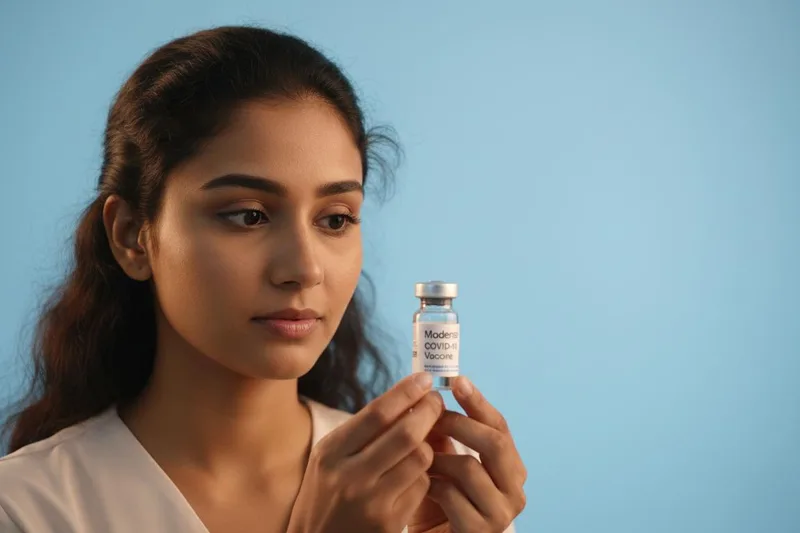
Are you scheduled to receive the Moderna vaccine to protect yourself from the COVID-19 virus? Or have you already received a dose of this vaccine? Whatever the case, you are probably a little curious, and maybe even a little scared, about this vaccine. "What will happen?", "What side effects will there be?", "What should I know?" You probably have a lot of questions in your mind. So, don't worry. We will talk about all of them simply, in a way that you can understand.
Simply put, what is this Moderna vaccine?
The main function of this vaccine is to reduce the risk of contracting COVID-19 . But one thing must be kept in mind. This is not a medicine that is given after COVID-19 has occurred. That is, it is not used to cure the disease.
Now you may be wondering, "Can I still get COVID-19 even after getting the vaccine?" Yes, a very small number of people can get COVID-19 even after getting the vaccine. But even if they do, the symptoms are usually not as severe and the illness does not last long.
This works in a very strange way. To be precise, what this vaccine does is to train our immune system to fight the COVID-19 virus in advance. That is, if the real virus enters the body, it will recognize it and destroy it. This vaccine is made using a technology called mRNA.
Things you need to tell your doctor before getting vaccinated
It is very important to tell your doctor about your health condition before getting the vaccine. This information will determine whether or not you are eligible for the vaccine. If you have any of the conditions listed below, be sure to tell your doctor.
| Situation to be concerned about | What you need to inform |
|---|---|
| Allergies | Tell us if you have had an allergic reaction to the COVID-19 vaccine, any other medicine, food, dye, or preservative in the past. |
| Bleeding problems | If you have a bleeding disorder or a condition in which your blood does not clot easily. |
| Fever or infection | If you have a fever or other infection on the day of the vaccination. |
| Immune system weaknesses | If you have a disease (e.g. HIV) or treatment (e.g. cancer treatment) that weakens your immune system. |
| Other vaccines | If you have recently received another vaccine (including a previous COVID-19 vaccine) or are scheduled to receive one soon. |
| Pregnancy and breastfeeding | If you are pregnant, trying to get pregnant, or breastfeeding. |
How this vaccine is given and other information
This is not a medicine you can take home. This vaccine is given by intramuscular injection . It is given in a hospital or clinic by a qualified medical team. Before you are given the vaccine, you will be given an information leaflet. Read it carefully.
Is this vaccine given to children?
Yes, under certain circumstances, this vaccine can be given to children as young as 6 months old. However, this decision is made by a doctor. So, be sure to talk to your doctor about getting your child vaccinated.
What if I get too much vaccine?
Although this is unlikely to happen, if you think you have somehow taken too much of this medicine, immediately call the National Poisons Information Centre at the Colombo National Hospital . Or go to the Emergency Treatment Unit (ETU) of the nearest hospital.
What if I miss the due date?
It is very important to get your doses of the vaccine on time. If for some reason you are unable to get your vaccine on the scheduled day, inform your medical team or local health officials and seek advice on what to do next.
Other medications that may interact with this vaccine
If you are taking medication for other conditions, you should also tell your doctor about it. Some medications can interact with this vaccine. Be especially careful with the following medications.
- Some blood thinners
- Chemotherapy or radiation therapy for cancer
- Medications that reduce the body's ability to fight infection
- Steroid medications, such as prednisone or cortisone
Tell your doctor about all medications, herbs, vitamins, and supplements you are taking, even if they are not on this list. Also, tell your doctor if you smoke, drink alcohol, or use other drugs.
What side effects can be expected?
As with any vaccine, some side effects can occur after receiving the Moderna vaccine. Most of these go away on their own within a day or two. But there are some things we need to be especially careful about.
Special Note: There has been a very small risk of inflammation of the heart muscle after receiving this vaccine, especially among young people. This is medically known as myocarditis . So be aware of the following symptoms.
| Type of side effect | Symptoms |
|---|---|
| Side effects that require immediate medical attention | |
| Severe allergic reactions | Skin rash, itching, swelling of the face, lips, tongue or throat, difficulty breathing. |
| Inflammation of the heart muscle (Myocarditis) | Unusual tiredness, shortness of breath, chest pain, feeling like your heart is beating fast or irregularly, dizziness, swelling of your ankles, feet, or hands. |
| Side effects that are usually not serious, but should be reported to the doctor if they persist | |
| Commonly seen symptoms |
|
This list is not all possible side effects. If you notice anything unusual in addition to these, talk to your doctor about it.
Take-Home Message
- The Moderna vaccine only reduces the risk of severe COVID-19 disease. It is not a cure for COVID-19.
- Before getting the vaccine, be sure to tell your doctor about all your medical conditions, allergies, and other medications you are taking.
- If you experience chest pain, difficulty breathing, or severe allergic symptoms after receiving the vaccine, seek medical advice immediately.
- Minor side effects like fever and body aches are common. But if they last more than a few days or bother you, talk to a doctor.
- Maximum protection is achieved by receiving the full number of vaccine doses recommended by doctors at the scheduled time.




💬 Comments (0)
No comments yet. Be the first to share your thoughts here.
Add Your Comment