

Finding a new lump or bump in your private area can feel very scary and stressful, right? You might feel worried, confused, or unsure about what to do next. Please know that you are not alone, and safe medical treatments are available to help you heal. One common prescription treatment option we doctors prescribe is sinecatechins ointment. This complete guide explains what this medicine is, how to use it safely at home, and what side effects you might expect along the way.
📌 Key Takeaways
- Derived from Green Tea: This prescription ointment is made using active compounds extracted from green tea leaves.
- Treats Visible Warts Only: It removes external genital and anal warts, but it does not cure the underlying human papillomavirus (HPV) infection.
- External Use Only: Never apply this medicine inside your vagina, urethra, or rectum.
- Barrier Method Risk: The ointment can weaken condoms and diaphragms, increasing the risk of breakage.
BMI Calculator
Know your body mass index (BMI) and weight classification
What Is Sinecatechins Ointment?
Simply put, sinecatechins is a prescription ointment made from extracts taken directly from green tea leaves. We doctors prescribe it mainly to treat external genital warts (condyloma acuminatum) and warts located around the anal area. Pretty amazing how botanical extracts can be turned into effective medicine, don't you think?
However, it is very important to understand one key clinical fact. This ointment does not cure the underlying infection completely. It only clears away the visible warts you can see on your skin. The root cause of these warts is a virus called the Human Papillomavirus (HPV). Because the virus stays in your body, new warts may still appear later on. This can happen while you are using the medicine or even after you finish your treatment course. Have you ever wondered why warts can keep coming back even after they are removed? That is precisely because the underlying virus remains dormant in skin cells.
Things to Tell Your Doctor Before Starting Treatment
Before you start using this medicine, you must share your complete health history with your family doctor or primary care physician (PCP). This helps your medical team decide if this treatment is safe and right for your specific health needs.
Be sure to let us know if you are pregnant, planning to become pregnant, or breastfeeding. Also, tell us if you have a weakened immune system due to conditions like HIV, or if you are taking any medications that affect your immune response. Sharing these details ensures you get the safest care possible.
How to Apply This Ointment Correctly
To get the best results from your medicine, you must follow your doctor's exact instructions. Keeping your routine consistent helps your skin heal safely. Just think about it for a second—consistency is the secret to clearing up skin conditions successfully, right?
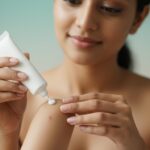
First, wash your hands thoroughly with soap and water before and after applying the ointment. Clean hands prevent bacteria from spreading to sensitive skin areas. Next, squeeze a very small amount of ointment onto your fingertip. Dab a thin layer directly onto each wart so that every single wart is lightly covered. Think of it like placing a tiny dot on each spot. Do not use large amounts.
Remember that this medicine is for external use only. Never put the ointment inside your vagina, inside your rectum, or inside your urinary opening. If you are a woman who uses tampons, insert your tampon before you apply the ointment. Leave the treated area uncovered. Do not use bandages, air-tight dressings, or wear very tight underwear that traps moisture.
Use this medicine for as long as your doctor prescribes, but never continue treatment past 16 weeks without medical advice. Do not apply the ointment more times per day than your doctor recommended. If new warts appear while you are using your medicine, apply the ointment to those new spots as well. If your warts do not improve after 16 weeks, or if they keep coming back, contact your doctor right away for a checkup.
What to Do If You Miss a Dose
If you forget to apply your ointment at the scheduled time, apply it as soon as you remember. However, if it is almost time for your next scheduled dose, skip the missed dose entirely. Simply continue with your next dose at the normal time. Never apply a double dose or extra ointment to make up for a missed application. Makes sense, right?
Important Precautions During Treatment
While you are using sinecatechins ointment, you need to follow a few daily safety rules. These steps protect your skin and prevent irritation.
Do not engage in any sexual activity—whether genital, oral, or anal—while the ointment is still on your skin. If you plan to have sexual intercourse, wash the ointment off completely using mild soap and warm water first. Crucially, this ointment can weaken latex and plastic products like condoms and vaginal diaphragms. This means they can break or tear easily. Do not rely solely on condoms for birth control or sexually transmitted infection protection while using this cream.
Keep in mind that using this ointment does not stop you from passing the HPV virus to your sexual partner. Talk openly with your doctor about safe practices to protect your partner. Your treated skin may also become more sensitive to sunlight. Avoid direct sunlight on the treated areas, and never use tanning beds or sun lamps while undergoing this treatment.
Finally, be careful with your clothing and bedsheets. The ointment can leave permanent stains on light-colored fabrics, so wear older clothes or garments you do not mind staining. Just like we said a moment ago, taking these small daily precautions makes your treatment journey much smoother!
Possible Side Effects
Like all prescription medicines, sinecatechins ointment can cause side effects. Many mild reactions happen locally where you apply the cream and usually improve over time. Let's look at how common side effects compare to what you should do:
| Common Symptoms / Reactions | What You Should Do |
|---|---|
| Mild redness, swelling, or itching at the application site | Continue treatment as long as it is tolerable; keep the area clean and dry. |
| Mild burning, stinging, or pain where the cream is applied | Allow the area to breathe; wear loose-fitting cotton underwear. |
| Small skin sores, peeling, or localized blistering | Contact your family doctor or visit an NHS GP clinic / urgent care if pain becomes intense. |
| Swollen lymph nodes in your groin area | Monitor closely and inform your primary care physician (PCP) during your next visit. |
✔️ Do's and ❌ Don'ts
- DO wash your hands thoroughly with soap and water before and after each application.
- DO apply a very thin layer directly to each external wart.
- DO wash the ointment off completely with mild soap and warm water before any sexual activity.
- DON'T apply the ointment inside the vagina, urethra, or rectum.
- DON'T use air-tight bandages, tight dressings, or restrictive synthetic underwear.
- DON'T exceed 16 weeks of treatment without speaking to your doctor first.
What to Do If You Use Too Much
If you accidentally apply too much ointment or get it into sensitive areas, wash the area right away with mild soap and water. If you feel unwell or experience severe skin irritation, call your local emergency services or go to the nearest hospital Emergency Department (ER / A&E) right away. What do you think? It's always better to be safe and wash off excess cream immediately if a mistake happens.
How to Store Your Medicine Properly
Keep this medicine safely out of the reach of children and pets. Store your ointment in a refrigerator or at room temperature below 25°C (77°F). Never place or store this tube in a freezer. Check the expiration date and safely discard any old or expired tubes.
🚨 When to Seek Emergency Care (Red Flags)
If you notice any of these warning signs, don't wait — call your local emergency number right away (911 in the US/Canada, 999 in the UK, 112 in Europe, or 000 in Australia) or go to the nearest hospital Emergency Department (ER / A&E):
- Severe allergic reaction with sudden trouble breathing or swelling of your face, lips, tongue, or throat.
- Widespread, severe blistering, open ulcerations, or excruciating pain across the genital or anal area.
- Signs of a severe secondary skin infection, such as spreading redness, pus, or high fever with chills.
💡 Take-Home Message
- Sinecatechins ointment is a prescription treatment for external genital warts, but it does not cure the HPV virus itself.
- Always wash your hands before and after application, and dab a very thin layer onto each wart.
- Avoid sexual intercourse while the cream is on your skin, and remember it can weaken latex condoms and diaphragms.
- Contact your doctor if you experience severe blistering, intense pain, or signs of an allergic reaction.
- Never share your prescription medicine with friends or family members.





No comments yet. Be the first to share your question or experience below.