

Have you ever noticed red, itchy, flaky patches on your skin? We often call them ringworm or heat rashes, but they are very often skin fungal infections. While this is a common condition, you can treat and clear it up quickly when you know the right steps.
Let us explore everything you need to know about skin fungus in simple, clear terms so you can protect your skin and stay healthy.
Key Takeaways.
- Skin fungus is caused by tiny harmful organisms that thrive in warm, moist environments.
- Common types include athlete's foot, nail fungus, jock itch, and ringworm.
- Mild infections often improve with proper hygiene and over-the-counter antifungal creams.
- Always talk to a doctor before applying steroid creams to avoid worsening the infection.
- Prevent reinfection by keeping your skin clean, dry, and avoiding shared personal items.
BMI Calculator
Know your body mass index (BMI) and weight classification
What is a Fungus, and Why Does It Affect Our Skin?
Simply put, a fungus is a tiny living organism, similar to mold. These organisms exist everywhere around us in the air, in water, and even on our skin. Not every fungus harms your body.
However, certain harmful fungi can enter your skin and cause an infection. When this happens, you might notice red patches, rashes, and uncomfortable itching. Our environment contains many microscopic things we cannot see with the naked eye.
Who is at Higher Risk for Skin Fungal Infections?
Anyone can develop a skin fungal infection at some point in life. Statistics show that roughly 20 to 25 percent of the global population has a superficial skin or nail fungal infection at any given time. Even very healthy people can sometimes get conditions like athlete's foot.
Certain people have a higher chance of developing these infections. Let us look at who is most at risk:
- People with weakened immune systems: This means people whose bodies struggle to fight off illnesses. Examples include people taking immunosuppressant medicines, people with immune conditions like HIV, or cancer patients undergoing chemotherapy. Their weaker defense systems make it easy for fungi to enter and grow.
- People taking long-term strong antibiotics: Antibiotics kill helpful bacteria in your body, which creates space for fungi to multiply. Think of it like weeds growing when healthy plants are missing.
- people carrying extra body weight: Skin folds trap sweat and moisture, creating a warm environment where fungi thrive. Common areas include under the arms, in the groin, and around the belly folds.
- People with diabetes: High blood sugar levels help fungi grow faster. also, diabetes can sometimes reduce nerve sensation, meaning you might not feel minor skin injuries right away, allowing infections to spread.
- People trying new skincare products: If a new cream or soap does not suit your skin, it can damage your skin's natural protective barrier and invite fungal growth.
- Situations involving trapped moisture or urine: Babies get diaper rashes from this, and older adults with bladder control issues can face similar skin problems. Moisture acts like a warm welcome for fungi.
- People who sweat heavily: Sweat creates a paradise for fungi because it provides both moisture and warmth. This is especially true in warm, humid climates.
- Pregnant women: Natural hormonal changes and shifts in the immune system during pregnancy can make women slightly more vulnerable to fungal infections.
What Does a Skin Fungal Infection Look Like?
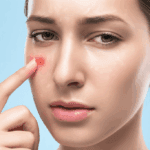
A skin fungal infection can look slightly different for everyone. However, these patches usually appear bright red, and they can sometimes spread across a larger area of your body.
You might also notice the following physical signs:
- Darker edges along the border: The outer edge of the red patch is often darker and redder than the center, sometimes forming a ring shape. This classic pattern appears often in ringworm cases.
- Flaky skin around the edge: As the center of the patch starts to heal while the infection spreads outward, the skin on the edge may dry out and peel off.
- Tiny bumps along the border: Sometimes you can see small, clear fluid-filled blisters or tiny pimples around the red patch. Scratching these can spread the infection further.
Where Do Skin Fungal Infections Usually Appear on the Body?
These fungal infections can appear anywhere on your body, including your fingernails and toenails. However, they most commonly show up where skin touches skin and folds over.
Think about areas like your groin, buttocks, between your thighs, under your arms, and under the breasts for women. These spots trap sweat easily and lack proper airflow, creating the ideal environment for fungi to grow. Fungal infections between your toes are also very common.
What Are the Different Types of Skin Fungal Infections?
In medical terms, skin fungal infections are generally called tinea. There are several different types of tinea infections. Let us look at the most common varieties:
- Athlete's Foot (Tinea Pedis): This is one of the most common fungal infections. It often spreads when people walk barefoot in public bathrooms, swimming pools, or gym locker rooms. The skin between your toes turns white, starts peeling, and sometimes cracks while causing intense itching. The soles of your feet can also be affected.
- Nail Fungus (Onychomycosis): This condition is very common, especially on toenails. The nails turn yellow, become thick, and break easily. Sometimes a powdery substance collects underneath the nail. Treating nail fungus takes quite a bit of time.
- Jock Itch (Tinea Cruris): This causes an itchy red rash in the groin area and inner thighs. Men get this infection more often than women. It often affects people who wear tight underwear and sweat heavily.
- Scalp Ringworm (Tinea Capitis): Doctors see this mostly in children. It causes hair to fall out in patches, and the scalp often turns red and scaly. With proper treatment, the hair grows back. School children can sometimes pass this to each other through shared combs or hats.
- Ringworm of the Body (Tinea Corporis): This name is used for rashes appearing on other parts of the body, such as the face, arms, or torso. True to its name, this rash often forms a distinct ring shape. The outer edge is raised, red, and scaly, while the center looks like normal skin.
How Do People Get Skin Fungal Infections?
The process is very simple. If your skin comes into contact with a harmful fungus, an infection can develop, and a rash can form. For example, if you borrow shoes from someone with athlete's foot, those fungi can transfer to your foot and infect you.
The most important thing to remember is that these fungal infections can spread directly through physical contact from person to person, and sometimes from animals to humans.
Touching someone who has an infection, using towels, clothes, or combs they used, or petting an animal like a dog or cat with a fungal infection can pass the fungus to you. Therefore, personal hygiene and being mindful of shared items matter a great deal.
What Are the Symptoms of a Skin Fungal Infection?
When a fungal infection develops, the main symptoms are skin redness, itching, and occasional burning sensations. You might also notice red, swollen, pimple-like bumps, or dry, peeling, scaly patches of skin.
Some people experience itching so intense that it keeps them awake at night. Scratching the itchy skin can cause cuts and open wounds, which may lead to secondary bacterial infections.
How Does a Doctor Diagnose a Skin Fungal Infection?
When you notice a change in your skin, a doctor can often identify a fungal infection just by looking at the rash and asking you about your symptoms.
However, to confirm the diagnosis, the doctor might gently scrape a few skin scales from the rash and check them under a microscope. This is called a KOH preparation test. It quickly shows whether fungus is present and is a simple, painless test.
In other cases, especially if the infection is severe or stubborn, the doctor may perform a fungal culture test to find the exact type of fungus and choose the best treatment. This involves taking a small skin sample or fluid from a blister and growing it in a laboratory. For severe infections, a blood test may sometimes be necessary.
What Are the Treatments for Skin Fungal Infections?
Treatments for skin fungal infections generally fall into a few categories:
- Antifungal Creams: You can buy many of these over-the-counter at a pharmacy without a prescription. However, using a cream recommended by a doctor is always safer because not every cream treats every type of fungus.
- Prescription-Strength medicines: A doctor can prescribe stronger creams or liquid medicines that clear up infections much faster than standard store-bought products.
- Oral medicines: If the infection is severe, widespread, or affects difficult areas like your nails where creams cannot reach effectively, a doctor may prescribe antifungal pills. You must take these medicines exactly as prescribed for the full course.
Can You Treat Skin Fungal Infections at Home?
This is an important question. If you notice a rash or skin spot for the very first time, visiting a doctor is always the best choice. The doctor can accurately identify the problem and recommend the correct treatment.
Another vital point to know is that many anti-itch creams contain steroids. If you apply a steroid cream to a fungal infection, the infection will often get worse, spread further, and become much harder to cure later. Therefore, do not self-diagnose or buy random pharmacy creams without professional guidance. The skin condition you have might be entirely different from what you think.
How Long Do Skin Fungal Rashes Last?
The time it takes to heal once treatment starts varies from person to person. Recovery depends on how severe the infection is, your overall health, and how consistently you follow the treatment plan. Most rashes improve within several days to a few weeks.
Keep in mind that these fungal infections can sometimes return. Therefore, talking with your doctor about ways to prevent future outbreaks is very important.
How Can You Prevent Skin Fungal Infections From Returning?
Even after treatment, some people find that fungal infections come back repeatedly. This can happen due to genetic factors or your body's natural tendency to catch these infections easily. However, you can prevent these infections or reduce your risk by following these daily habits:
Good Personal Hygiene.
- Change your socks often and wash your feet daily. Drying your feet completely after washing is extremely important, especially between your toes. Never wear damp socks.
- Avoid poorly ventilated plastic shoes. Choose breathable shoes made of natural materials like cotton whenever possible. Go barefoot whenever you are safely at home.
- Avoid walking barefoot in public spaces. This is especially crucial in damp areas like gym showers, public swimming pools, and shared locker rooms. Wear rubber sandals or flip-flops in these places.
- Cut your toenails straight across. If you suffer from ingrown toenails, you may need to see a podiatrist. Most importantly, if you have a fungal infection in one toenail, do not use the same nail clipper on healthy nails, or you will spread the fungus.
- Dry your body thoroughly after bathing if you sweat easily. Pay close attention to skin folds, and consider using talcum-free body powder to stay dry.
- Never share towels, clothes, or hairbrushes with other people.
Using medicine Correctly.
- Use your prescribed or recommended cream for the entire duration instructed by your doctor. Even if the rash looks like it has disappeared, the fungus may still live underneath the skin. Stopping early often lets the infection flare right back up.
- Your doctor may sometimes ask everyone living in your home to follow the same treatment. Since people living together can easily pass infections back and forth, treating everyone ensures the infection is completely cleared.
- Ask your doctor if you should apply an antifungal cream regularly to prevent recurring infections.
- Some people find that using an antifungal powder inside their shoes daily helps prevent athlete's foot.
When Should I See a Doctor About a Skin Rash?
Most skin rashes are not severe. However, whenever you notice any new skin changes, rashes, or spots, seeing a doctor is always a smart idea. The doctor can provide the right treatment or check if an underlying condition is causing the problem.
When to Seek Immediate Medical Attention.
Go to your nearest Emergency Department, call 911 (US/Canada), call 999 (UK), or contact your doctor right away if you notice any of these warning signs:
- The rash has spread all over your entire body.
- The condition started suddenly and is spreading very rapidly.
- The rash is extremely painful, develops fluid-filled blisters, or begins showing pus.
- You develop a fever along with the skin rash.
- The rash does not improve after two weeks of home care.
- You have an underlying medical condition like diabetes.
Conclusion: What Are the Most Important Things to Remember?
Skin fungal infections can feel annoying and itchy, but they are fully treatable. If you notice any unusual skin changes or rashes, stay calm and consult a doctor. Using the right antifungal cream as directed will quickly clear the rash and relieve your itching.
Also, remember to discuss prevention strategies with your doctor to keep this problem from returning. Good hygiene, correct medicine use, and following professional medical advice are your best weapons in this fight against skin fungi. Stay healthy!
| What to Do (Do's). | What to Avoid (Don'ts). |
|---|---|
| Wash and dry your feet and skin folds daily. | Do not walk barefoot in public locker rooms or pools. |
| Complete the full course of antifungal medicine. | Do not apply steroid creams to fungal rashes. |
| Wear breathable cotton socks and loose clothing. | Do not share towels, clothes, or nail clippers. |
| Consult a doctor for your first skin rash. | Do not stop treatment early just because the rash looks gone. |





No comments yet. Be the first to share your question or experience below.