
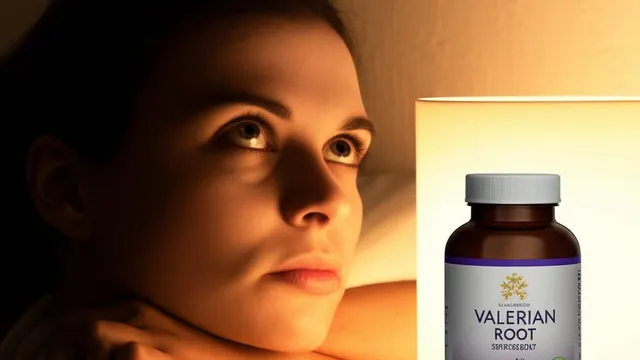
Do you often find yourself lying awake at night? Do you toss and turn for hours instead of falling fast asleep? Perhaps you feel a heavy weight of anxiety pressing on your chest. When you cannot sleep, you might want a natural fix to help your body rest. That is when you might hear about an herbal supplement called Valerian. A friend might suggest it, or you might spot it online. Today, let us explore what Valerian really is, how it works, and what risks you must watch out for.
Sleep problems affect millions of people around the world. Rest is vital for your brain and body to heal every single day. When you lack rest, your mood drops and your focus fades. Because prescription sleeping pills can cause heavy grogginess, many people look for herbal options. Valerian has gained massive popularity as a plant-based remedy. However, natural does not automatically mean completely safe for your body. Let us break down the clinical facts so you can make an informed choice.
Key Takeaways About Valerian
- Valerian is a popular herbal supplement used by many people to help manage sleep problems and mild anxiety.
- Clinical research shows mixed results, meaning it helps some people sleep deeply while doing nothing for others.
- There is no official standard dose, and herbal products are not as tightly controlled as prescription medicines.
- Valerian can cause side effects like morning grogginess, headaches, and upset stomach.
- You must never mix Valerian with alcohol or sedatives because it can dangerously slow down your breathing.
Calculate regular sleep cycles based on bedtime or wake up time
What Is Valerian?
Put simply, Valerian is a flowering plant. The part used for medicine is the root of the plant. For thousands of years, people across Europe and Asia used this root to calm the mind. Ancient healers valued it as a gentle remedy to promote restful sleep. Today, people all over the globe use Valerian to manage occasional insomnia and daily stress.
You can easily find Valerian in pharmacies and health food stores today. It is typically sold as capsules, tablets, teas, or liquid extracts. Global health authorities, including the US Food and Drug Administration (FDA) and the UK National Health Service (NHS), classify it as a dietary supplement. This means it is sold over the counter without requiring a doctor's prescription. Even though you can buy it freely, you should still treat it with caution.
What Do People Use Valerian For?
People mostly turn to Valerian for two main reasons. They want relief from sleepless nights, or they want to calm their racing thoughts. Let us examine what science says about these common uses.
Insomnia and Sleep Problems
Several clinical studies suggest that Valerian root might help certain people with sleep problems. Taking this supplement can sometimes help you achieve a better, deeper night of sleep. It may also help you fall asleep much faster after you lie down in bed. However, science does not show the exact same results for every single person.
Some people report wonderful improvements in their sleep quality within a few days. Other people notice zero difference at all after taking it for weeks. Researchers believe this happens because every person's body chemistry is unique. Also, different plant batches contain varying levels of active chemical compounds. Therefore, your personal experience with Valerian may vary greatly from someone else's experience.
Anxiety and Stress
Many people wonder if Valerian can reduce the daily symptoms of anxiety and nervous tension. The scientific evidence surrounding anxiety relief is quite mixed and unclear. While a few small studies show mild calming benefits, other studies show no benefit at all. Researchers agree that much stronger clinical trials are needed to prove its effectiveness for anxiety.
If you experience severe anxiety, panic attacks, or constant high stress, do not rely on self-treatment. Taking an unregulated herbal supplement will not fix deep mental health struggles. You should always speak with a qualified doctor or mental health professional instead. Professional medical care provides safe, proven treatments tailored specifically to your unique health needs.
What Is the Correct Dose of Valerian?
Finding the right amount to take is one of the biggest challenges for consumers. There is no universally agreed-upon standard dose for Valerian root. Different manufacturers produce extracts with different strengths and concentrations of active ingredients.
In scientific studies looking at insomnia, researchers commonly used between 400 milligrams and 600 milligrams of Valerian root extract. Participants typically took this dose about one to two hours before bedtime. However, this is just an experimental research range and not an official medical prescription.
Because herbal supplements are not tightly regulated like prescription drugs, product quality varies wildly. One brand might be strong. This another brand on the same shelf might be weak. Because of these differences, you must never guess your own dosage. Always talk to your doctor or pharmacist to find a trusted brand and a safe amount for your body.
Can You Get Valerian Naturally From Food?
The short answer is no. You cannot get Valerian from your daily diet because it is not a food source. It is the root of a specialized perennial plant, not a fruit or a vegetable that you would eat for dinner.
You will not find significant amounts of Valerian in grocery store foods. However, some food and beverage manufacturers use tiny amounts of Valerian extract as a flavoring agent in herbal teas or sodas. When used merely for flavor, the amount is far too small to provide any medicinal benefit. Do not expect to improve your sleep by simply eating commercial food products.
What Are the Risks and Side Effects of Valerian?
Many people assume that if something is natural, it must be completely safe. Unfortunately, that belief is false. Valerian carries potential risks and side effects that you must understand before taking it.
🚨 Emergency Red Flags: When to Seek Immediate Help
If you or someone you know takes Valerian and experiences severe allergic reactions, severe breathing difficulties, chest pain, or unresponsiveness, call emergency services right away. Dial 911 in the US and Canada, 999 in the UK, or go straight to your nearest Emergency Department (ER or A&E).
| Risk Category | Detailed Explanation and What You Need to Know |
|---|---|
| Common Side Effects |
While short-term use is generally well tolerated, some people experience mild side effects:
|
| Dangerous Drug Interactions |
This is the most critical safety concern. Valerian interacts strongly with several medicines:
Never combine Valerian with other medicines without consulting your doctor first. |
| Special Precautions |
|
| Vulnerable Populations | There is a lack of reliable clinical safety data for pregnant women, nursing mothers, and young children. Therefore, Valerian is strictly not recommended for pregnant women, breastfeeding mothers, or children under age 12. |
💡 Take-Home Message
Let us review the most important points to keep in mind regarding Valerian root:
- Valerian is a popular herbal supplement used for sleep problems and mild anxiety, but it does not work for everyone.
- Because herbal products are not strictly regulated, product quality and active ingredient potency can vary greatly between brands.
- There is no official medical standard dose, so you must always consult your doctor before starting use.
- Common side effects include morning grogginess, headaches, and digestive upset.
- Never drive, operate heavy machinery, or drink alcohol while taking Valerian.
- Most importantly, Valerian can cause dangerous drug interactions with prescription sedatives and antidepressants.
- Pregnant women, nursing mothers, and children should completely avoid taking this supplement.
- Natural does not mean risk-free. Always talk to your doctor before adding any new supplement to your daily routine.






No comments yet. Be the first to share your question or experience below.