
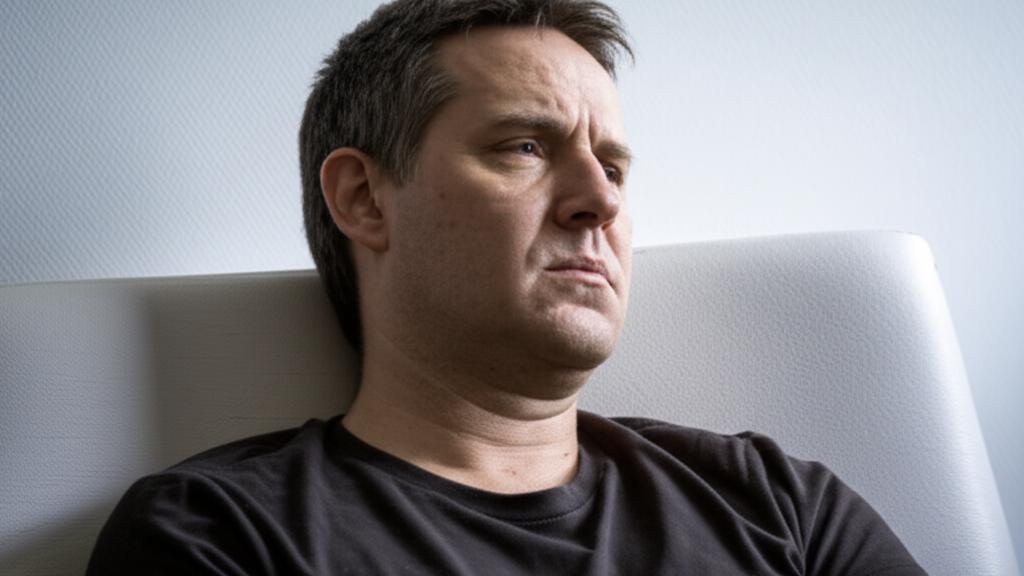
Do you wake up in the morning feeling completely drained before your day even starts? Do you drag your feet through every single hour, feeling exhausted no matter how many hours you sleep at night? If this sounds familiar, you are not alone in this struggle.
Sometimes, this heavy feeling is much more than standard daily tiredness. It goes far deeper into your physical and mental well-being. Doctors call this state exhaustion, or clinical fatigue.
This type of exhaustion is completely different from normal, everyday tiredness after hard work. Let us explore how to tell the difference and what you can do to get your energy back.
Key Takeaways
- Exhaustion is a persistent, deep physical and mental drain that does not go away with a single night of good sleep.
- It can stem from underlying medical issues like low iron, diabetes, thyroid imbalances, or mental health conditions like depression.
- Lifestyle factors such as poor diet, lack of exercise, alcohol use, and sleep deprivation often trigger chronic fatigue.
- Warning signs include sudden sleepiness while driving, inability to finish tasks, and severe memory or focus problems.
- Simple lifestyle changes and guidance from your doctor can help you safely restore your daily energy levels.
BMI Calculator
Know your body mass index (BMI) and weight classification
What Is Exhaustion?
Simply put, normal tiredness is a temporary feeling. It usually disappears after you finish a hard day of work and get a solid night of rest. However, true exhaustion or clinical fatigue is completely different.
Exhaustion is a persistent, day-after-day condition. It pulls your physical and mental strength straight down to the bottom. This serious state can impact your overall health, daily safety, and peace of mind.
It is important to understand that exhaustion is not just a mental health condition by itself. Instead, many different physical and mental health issues can trigger this deep exhaustion in your body.
Common medical and mental health conditions linked to exhaustion include:
- Depression, which drains your emotional and physical energy reserves.
- Anxiety disorders that keep your nervous system in a constant state of high alert.
- Bipolar disorder, which causes extreme shifts in your energy and mood levels.
- Neurological disorders that affect how your brain and nerves communicate with your muscles.
- Sleep disorders that prevent your body from getting deep, restorative rest.
- Diabetes, which disrupts how your body turns food into usable energy.
- Anemia, a condition where low red blood cell counts reduce oxygen delivery to your tissues.
- Electrolyte abnormalities, meaning your body lacks essential mineral balances.
- Obesity, which puts extra physical strain on your heart and joints every day.
- Chronic infections or hidden cancers that force your immune system to work overtime.
However, you do not always need to have a major illness to feel exhausted. Your everyday lifestyle habits often play a massive role in causing this constant tiredness.
Common lifestyle triggers that drain your energy include:
- Alcohol or substance use, which provides quick fake relaxation but damages long-term sleep and energy.
- Exercising too hard without giving your muscles enough time to rest and repair.
- Living a totally inactive lifestyle, because lack of movement actually makes your body feel more sluggish.
- Not getting enough sleep night after night, which creates a dangerous sleep debt.
- Taking certain medicines, such as allergy pills containing antihistamines that make you feel sleepy and weak.
- Eating poor, processed foods and sugary drinks instead of nourishing, balanced meals.
Dangerous Signs and Symptoms of Exhaustion
Normal tiredness is usually mild and manageable. But chronic exhaustion brings specific, severe warning signs that you should never ignore.
Review the table below to understand how serious exhaustion differs from everyday fatigue.
| Warning Sign | Simple Explanation |
|---|---|
| Total Loss of Physical or Mental Energy | Feeling a deep lack of strength where even simple tasks feel impossible to start. |
| Inability to Stay Awake | Falling asleep unintentionally while talking with friends, reading, or working. |
| Uncontrolled Daytime Drowsiness | This is extremely dangerous. It includes falling asleep while driving a car or operating machinery. |
| Inability to Finish Tasks | Starting a project with good intentions but stopping midway because your brain completely stalls. |
| Quick Fatigue from Minor Effort | Feeling completely wiped out after doing a tiny chore or walking a very short distance. |
| Poor Focus, Memory, and Mood Control | Trouble paying attention, frequent forgetfulness, and getting angry or sad over tiny things. |
How Exhaustion Affects Your Daily Life
Deep exhaustion does not just affect your body. It creates ripple effects across every major part of your daily life and personal relationships.
Here is how chronic exhaustion disrupts your world:
- Loss of Future Goals: When you feel drained all the time, you lose the inner drive to set new goals or plan a better future for yourself.
- Scattered Focus and Attention: Imagine trying to finish an urgent work report while your brain refuses to focus for even five minutes straight.
- Strained Relationships: Constant tiredness steals the energy you need for your loved ones. You might lack the patience to play with your children or give your partner the care they deserve, which often leads to friction at home.
When to Call the Doctor or Seek Emergency Help
If your exhaustion prevents you from completing basic daily tasks, never ignore it. Schedule an appointment with your doctor right away to find the root cause.
Seek emergency medical care right away (call 911 in the US/Canada, 999 in the UK, or go to your nearest Emergency Department) if your exhaustion comes with chest pain, sudden shortness of breath, fainting, confusion, or thoughts of self-harm.
Practical Remedies for Exhaustion
If chronic exhaustion is holding you back and draining your joy, the very first step is to schedule an appointment with your family doctor. Your doctor will examine your health, run necessary blood tests, and identify the exact medical cause behind your fatigue.
Once you know the root cause, treating the problem becomes much easier. Here are the most effective medical treatments and personal lifestyle habits you can start using today.
1. Good Sleep Habits
Quality sleep is an absolute necessity for human survival. Give your body the deep rest it deserves by upgrading your nightly routine.
- Go to sleep and wake up at the exact same time every single day, including weekends.
- Only go to your bed when you actually feel genuinely tired and ready for sleep.
- Keep your bedroom cool, completely dark, and quiet to encourage deep rest.
- Turn off your phone, tablet, and television at least one hour before bedtime because blue light tricks your brain into staying awake.
2. Dietary Changes
The food and drinks you eat have a direct, powerful impact on your daily energy reserves.
- Cut back on caffeine for a while. This includes coffee, strong tea, energy drinks, and sugary sodas. During the first few days, you might experience mild headaches or irritability. However, if you stick with this for a month, you will notice a huge boost in your natural energy.
- Build a balanced, nutritious diet filled with fresh vegetables, colorful fruits, whole grains, and plenty of pure water.
3. Physical Changes
When you feel exhausted, the last thing you want to do is exercise. However, even a short fifteen-minute walk every day can noticeably boost your overall energy levels. Start slowly and build up your stamina over time.
- Regular movement improves blood circulation and delivers more oxygen to your cells.
- Maintaining a healthy body weight through proper food and gentle exercise also takes a massive physical burden off your heart and muscles.
4. Psychotherapy
Sometimes, heavy exhaustion stems from deep mental stress, workplace pressure, or family conflicts. Psychotherapy, or talk therapy, connects you with a trained counselor to discuss these heavy burdens and find healthy solutions. This process helps lighten your mental load and gives you fresh emotional strength to handle life.
💡 Take-Home Message
Exhaustion is entirely different from normal, everyday tiredness because it persists day after day and drains your core vitality.
Key signs include complete physical and mental weakness, trouble focusing, and dangerous unintentional sleep during the day.
Simple lifestyle upgrades like proper sleep routines, nutritious foods, and gentle physical activity can help you regain control.
If your fatigue severely disrupts your daily life, never brush it aside. Visit your doctor promptly to get professional medical guidance.






No comments yet. Be the first to share your question or experience below.