

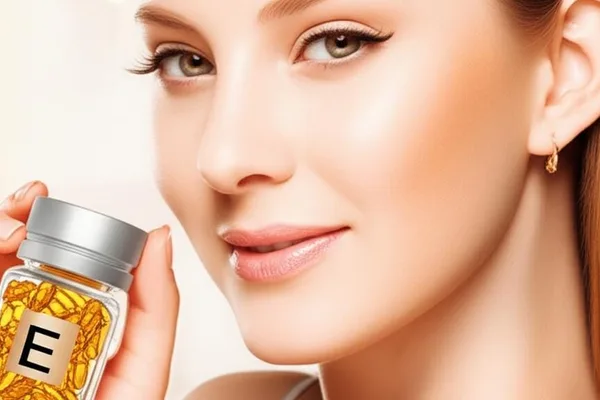
You've probably heard of vitamin E, right? Maybe you've seen the words "Enriched with Vitamin E" printed on the skin cream, body lotion, or hair oil you use. There are also plenty of vitamin E capsules in pharmacies. So what exactly is vitamin E? Is it really that good for our bodies? Let's talk about this in detail, very simply.
Simply put, what is vitamin E?
Vitamin E is an essential nutrient for our overall health. It is especially important for the function of our eyes, skin, blood, and brain. One of its most important functions is to act as an antioxidant .
Just think, our daily processes inside our bodies, as well as external factors like cigarette smoke, pollution, and UV light from the sun, produce unstable particles that damage our cells. We call these free radicals . Vitamin E mainly protects our cells from those harmful particles.
Most people can get the amount of vitamin E they need from a balanced diet. However, vitamin E supplements and skin and hair products have become very popular these days. However, there is still no clear conclusion about the risks and benefits of these products.
Different forms and types of vitamin E
Vitamin E exists naturally in eight chemical forms. Of these, alpha-tocopherol is the most important and most studied form for the human body. So when we talk about vitamin E, whether in foods or supplements, we are mainly talking about alpha-tocopherol.
If you look at the label of a food or supplement you buy, you may see that natural vitamin E is listed as d-alpha-tocopherol , and that the lab-made form is listed as dl-alpha-tocopherol . The natural form is the most potent .
When these enter our bodies, they dissolve with fat and are stored in our fatty tissues and liver.
| Vitamin E form | Main use |
|---|---|
| Vitamin E Oil | It is used as a moisturizer, especially for those with dry, itchy skin. |
| Vitamin E Cream | Like oil, it is used to moisturize and protect the skin. |
| Vitamin E Capsules/Tablets | Supplements are taken to increase the body's vitamin E levels. These should only be taken if there is a vitamin E deficiency and only on medical advice. |
What does vitamin E actually do to our bodies?
Many people believe that taking vitamin E supplements can prevent and treat diseases. This belief is based on the following properties of vitamin E:
- Acting as an antioxidant: As mentioned earlier, it protects cells from daily damage.
- Fighting inflammation: Helps control inflammatory conditions in the body, which are the root cause of many diseases.
- Widening blood vessels: This reduces blood clotting.
- Strengthening the immune system: Helps fight infections.
- Helping with communication between cells: Helps the cells in our body connect with each other and work together.
However, studies investigating the effectiveness of vitamin E supplements in preventing diseases such as cancer, heart disease, diabetes, and cataracts have not yielded very good results.
Benefits for skin and hair
Skin oil (sebum) naturally contains vitamin E. This helps to moisturize the skin. As we age and are exposed to the sun, our levels of vitamin E decrease. Therefore, applying a moisturizer that contains vitamin E can help to keep the skin moisturized. However, it is not a substitute for sunscreen.
When it comes to hair, oils containing vitamin E (e.g., pumpkin seed oil, argan oil) can help moisturize the scalp and hair, but there is no strong evidence that they help with hair growth. So if you have a hair problem, it's best to talk to your doctor.
How much vitamin E do we need per day?
The amount of vitamin E we need per day varies depending on age. This amount includes the amount of vitamin E you get from food as well as from supplements. See the table below.
| Age group | Recommended daily dose (mg) | Safe Maximum Daily Limit (mg) |
|---|---|---|
| Children | ||
| 1-3 years | 6 mg | 200 mg |
| 4-8 years | 7 mg | 300 mg |
| 9-13 years old | 11 mg | 600 mg |
| Teens & Adults | ||
| 14 years and older | 15 mg | 1,000 mg (1g) |
| Pregnant mothers | 15 mg | 1,000 mg (1g) |
| Nursing mothers | 19 mg | 1,000 mg (1g) |
Important: Never take vitamin E supplements above this safe maximum limit unless recommended by a doctor.
What foods are rich in vitamin E?
Fortunately, we get plenty of vitamin E from many of the foods we eat every day. Vegetable oils, nuts, and green vegetables are the best sources of vitamin E.
- Sunflower seeds: One ounce (about 28 grams) contains 7.4 mg.
- Almonds: 6.8 mg per ounce.
- Sunflower oil: One tablespoon contains 5.6 mg.
- Peanut butter: Two tablespoons contain 2.9 mg.
- Olive oil: One tablespoon contains 2.0 mg.
- Spinach (cooked): 1/2 cup has 1.9 mg.
- Avocado: Half a fruit contains 1.5 mg.
Who is at risk of developing vitamin E deficiency?
Although vitamin E levels may be slightly low in people who do not eat a good diet, it is rare to see a deficiency with obvious symptoms. This deficiency often occurs in conjunction with medical conditions that cause problems digesting the fats needed to absorb vitamin E.
People at risk are:
- People with Crohn's disease
- People with cystic fibrosis
- People with certain rare hereditary diseases
- People with chronic pancreatitis
- People on very low-fat diets
- Premature babies
Symptoms of this deficiency may include difficulty walking, muscle weakness, and delayed reactions .
What happens if you take too much vitamin E? (Side effects)
Taking too much vitamin E supplements can cause side effects. This is something to keep in mind.
- Nausea
- Headache
- Bleeding (because vitamin E thins the blood)
- Hard work
- Diarrhea
- Vision problems
Very important: One study found that men who took vitamin E supplements for more than 5 years had a 17% increased risk of developing prostate cancer . Also, inhaling vitamin E acetate, a compound found in vaping products, can cause severe lung injury (EVALI) .
Who should not take vitamin E supplements?
Because vitamin E thins the blood, the following people should completely avoid taking vitamin E supplements without the advice of a doctor :
- People with bleeding problems.
- People taking blood-thinning medications (e.g. Coumadin, clopidogrel).
- If you are preparing for any surgery (due to the risk of bleeding, your doctor will advise you to stop taking vitamin E before surgery).
- People with conditions such as severe heart disease, diabetes, and liver disease.
- Pregnant mothers: The World Health Organization does not recommend taking vitamin E supplements during pregnancy.
Additionally, vitamin E supplements can interact negatively with certain psychiatric medications, blood pressure medications, and anti-cancer drugs .
Take-Home Message
- Vitamin E is an important antioxidant that protects our cells.
- The best and safest way is to get vitamin E from natural foods like vegetable oils, nuts, and green vegetables.
- Vitamin E supplements are only recommended for specific medical conditions, such as a deficiency.
- If you're thinking about taking a vitamin E supplement, please talk to your doctor first. He or she will tell you if you need it, if it's safe, and if it will cause problems with other medications you're taking.
- Don't forget that taking too much vitamin E can cause serious side effects, such as bleeding and an increased risk of cancer.




💬 Comments (0)
No comments yet. Be the first to share your thoughts here.
Add Your Comment