How your lifestyle affects diabetes (Social Determinants of Health and Diabetes)

How your lifestyle affects diabetes (Social Determinants of Health and Diabetes)

Many of us think that Diabetes Mellitus is a disease that is determined solely by things like what we eat and whether we exercise or not? True, those things are very important. But today I am going to tell you about a slightly deeper aspect that we don't talk about much in our daily lives. Have you ever thought about how much the environment you live in, your economic level, the education and facilities you receive affect your health, especially a long-term condition like diabetes? This is the topic we are talking about today.

Health is not just about medicine.

Imagine a doctor telling you to "eat a well-balanced diet and exercise for an hour a day." That advice is very sound. But does everyone have the same ability and flexibility to follow that advice?

Simply put, our health is not determined by the medicine we take when we are sick. It is influenced by many factors, including where we were born, the environment we grew up in, the job we do, our income level, and the education we receive. Sometimes, even when someone is receiving health services, they may face injustices and neglect. For example:

  • The doctor doesn't seem to care much about the symptoms you're describing.
  • To dismiss your health problems as trivial.
  • Not explaining the condition and treatment simply, in language you understand.

Things like this can lead some patients to become frustrated and distrustful of doctors and the entire healthcare system. This is a very dangerous situation because then they will not be motivated to seek proper treatment for their illness.

The most important thing is that to stay healthy, good medical care is essential, as well as a social and economic environment that allows for a healthy life.

What are Social Determinants of Health?

Even the World Health Organization (WHO) recognizes the concept of "social determinants of health." Simply put, this refers to the social, economic, and physical conditions that directly affect our health and are beyond our control.

Although these things may seem unrelated to health at first glance, research has proven how much these factors affect our quality of life and risk of developing diseases. Let's take a look at what these factors are.

Social Determinant How it affects our health (relevant to Sri Lanka)
Economic Stability For someone without a steady income and living on daily wages, it is a challenge to buy nutritious food and necessary medicines. The mental stress caused by economic difficulties also contributes to a number of illnesses.
Education A well-educated person is more likely to be health-conscious, recognize symptoms early, and have a better job and stable income.
Access to Healthcare Is there a hospital or clinic in the area where you live? Is there transportation to get there? Are the necessary tests and medicines available without any shortage? All of these things have an impact.
Living Environment (Neighborhood and Built Environment) Is there a safe place to walk and exercise near your home? Do you have access to clean water and air? Is there a fruit and vegetable shop nearby, or are there only bakeries and fast food outlets? These have a direct impact.
Social and Community Context Things like support from family, friends, and neighbors, having someone to talk to when you're feeling down, and being able to live without being marginalized in society are very important for mental health as well as physical health.

Now you might be thinking, "Okay, these things affect health in general, but how does this affect diabetes?" Let's understand it with a simple example.

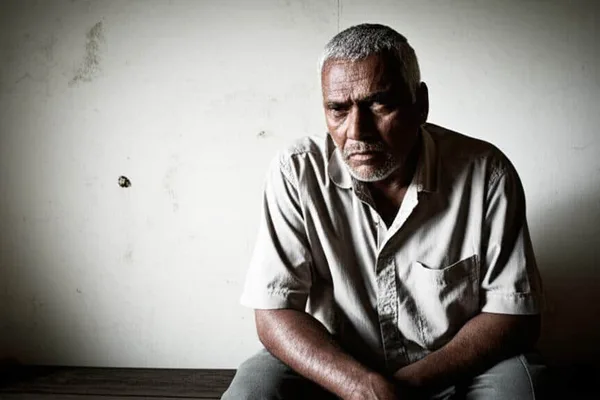
Imagine a low-income family head of household in the city. Let's call him 'Siripala'. Siripala supports his family by working during the day. He goes to work at 5 in the morning and returns home around 8 at night.

  • Food: Siripala, who works hard all day, finds it difficult to afford nutritious foods like vegetables, fruits, and fish on his meager salary. Instead, he turns to foods high in flour, sugar, and oil (e.g., parathas, kottu, and sweetened beverages) that are easily and cheaply available from roadside stalls. They fill his stomach, but they don't provide any nutrition to his body.
  • Exercise: Because of his strenuous work schedule all day, Siripala doesn't have the time or energy to exercise. There's no safe place to walk in the crowded neighborhood where he lives.
  • Stress: She is constantly under stress due to financial problems and worries about her children's future. This stress changes the hormonal function of the body, further increasing the risk of developing diabetes.
  • Awareness and medical services: Siripala does not have much knowledge about the basic symptoms of diabetes or how to avoid it. Since he loses his salary if he does not go to work for a day, he does not go to a doctor even for a minor ailment. He only goes to the hospital when the symptoms worsen. Then it may be too late.

Do you understand now? Siripala's increased risk of developing diabetes is not due to his "mistake". The social and economic conditions he lives in have a direct impact on it. No matter how much awareness is raised about diabetes control, it will not be of much use to someone who does not have the resources to implement those things.

So what do we do?

This is not a problem that an individual can solve alone. This requires solutions as a country, at the level of policymakers. It is their responsibility to create good healthcare for everyone, an economy where everyone can access nutritious food, and a safe environment.

But, there are things we can do on a personal level as well.

1. Awareness: The first step is to understand that social factors like these affect our health.

2. Talk to your doctor: When you see your doctor, talk about not only your illness, but also the challenges you're facing in your life. Don't be afraid to ask, "Doctor, I can't afford to eat this much nutritious food. What changes can I make?" Your doctor can then give you advice that's right for you and that you can do.

3. Make small changes as much as possible: While it's hard to make big changes, start with small things. Small things like cutting back on sugar by one teaspoon a day, getting off the bus a stop earlier and walking a little, and making a home-cooked meal whenever possible can make a big difference.

4. Community engagement: Talk to community organizations and local health officials about health issues in your area (e.g., garbage problems, lack of places to exercise).

Take-Home Message

  • Long-term diseases such as diabetes are strongly influenced by personal lifestyle, as well as the social, economic, and physical environment in which we live (Social Determinants of Health).
  • Factors such as economic hardship, educational level, and difficulty accessing healthcare can be the biggest obstacles to living a healthy life.
  • It is very important to understand this as a broader social problem, rather than seeing it as an individual's fault.
  • Talking openly with your doctor about the challenges in your life (financial, social) will help you get the treatment plan that best suits you.
  • Even if you can't make big changes, even the smallest or most positive change you can make for your health is worth it.

Diabetes, Social Determinants of Health, Health, Lifestyle, Social Factors, Nutrition, Preventive Health

⚠️ Important: The medical articles and information on Nirogi Lanka are for general awareness only, and are by no means a substitute for professional medical advice, diagnosis, or treatment. For any medical problem you have, consult a qualified physician immediately.

💬 Comments (0)

No comments yet. Be the first to share your thoughts here.

Add Your Comment

Please calculate: 6 + 6 =
How your lifestyle affects diabetes (Social Determinants of Health and Diabetes)

How your lifestyle affects diabetes (Social Determinants of Health and Diabetes)

Many of us think that Diabetes Mellitus is a disease that is determined solely by things like what we eat and whether we exercise or not? True, those things are very important. But today I am going to tell you about a slightly deeper aspect that we don't talk about much in our daily lives. Have you ever thought about how much the environment you live in, your economic level, the education and facilities you receive affect your health, especially a long-term condition like diabetes? This is the topic we are talking about today.

Health is not just about medicine.

Imagine a doctor telling you to "eat a well-balanced diet and exercise for an hour a day." That advice is very sound. But does everyone have the same ability and flexibility to follow that advice?

Simply put, our health is not determined by the medicine we take when we are sick. It is influenced by many factors, including where we were born, the environment we grew up in, the job we do, our income level, and the education we receive. Sometimes, even when someone is receiving health services, they may face injustices and neglect. For example:

  • The doctor doesn't seem to care much about the symptoms you're describing.
  • To dismiss your health problems as trivial.
  • Not explaining the condition and treatment simply, in language you understand.

Things like this can lead some patients to become frustrated and distrustful of doctors and the entire healthcare system. This is a very dangerous situation because then they will not be motivated to seek proper treatment for their illness.

The most important thing is that to stay healthy, good medical care is essential, as well as a social and economic environment that allows for a healthy life.

What are Social Determinants of Health?

Even the World Health Organization (WHO) recognizes the concept of "social determinants of health." Simply put, this refers to the social, economic, and physical conditions that directly affect our health and are beyond our control.

Although these things may seem unrelated to health at first glance, research has proven how much these factors affect our quality of life and risk of developing diseases. Let's take a look at what these factors are.

Social Determinant How it affects our health (relevant to Sri Lanka)
Economic Stability For someone without a steady income and living on daily wages, it is a challenge to buy nutritious food and necessary medicines. The mental stress caused by economic difficulties also contributes to a number of illnesses.
Education A well-educated person is more likely to be health-conscious, recognize symptoms early, and have a better job and stable income.
Access to Healthcare Is there a hospital or clinic in the area where you live? Is there transportation to get there? Are the necessary tests and medicines available without any shortage? All of these things have an impact.
Living Environment (Neighborhood and Built Environment) Is there a safe place to walk and exercise near your home? Do you have access to clean water and air? Is there a fruit and vegetable shop nearby, or are there only bakeries and fast food outlets? These have a direct impact.
Social and Community Context Things like support from family, friends, and neighbors, having someone to talk to when you're feeling down, and being able to live without being marginalized in society are very important for mental health as well as physical health.

Now you might be thinking, "Okay, these things affect health in general, but how does this affect diabetes?" Let's understand it with a simple example.

Imagine a low-income family head of household in the city. Let's call him 'Siripala'. Siripala supports his family by working during the day. He goes to work at 5 in the morning and returns home around 8 at night.

  • Food: Siripala, who works hard all day, finds it difficult to afford nutritious foods like vegetables, fruits, and fish on his meager salary. Instead, he turns to foods high in flour, sugar, and oil (e.g., parathas, kottu, and sweetened beverages) that are easily and cheaply available from roadside stalls. They fill his stomach, but they don't provide any nutrition to his body.
  • Exercise: Because of his strenuous work schedule all day, Siripala doesn't have the time or energy to exercise. There's no safe place to walk in the crowded neighborhood where he lives.
  • Stress: She is constantly under stress due to financial problems and worries about her children's future. This stress changes the hormonal function of the body, further increasing the risk of developing diabetes.
  • Awareness and medical services: Siripala does not have much knowledge about the basic symptoms of diabetes or how to avoid it. Since he loses his salary if he does not go to work for a day, he does not go to a doctor even for a minor ailment. He only goes to the hospital when the symptoms worsen. Then it may be too late.

Do you understand now? Siripala's increased risk of developing diabetes is not due to his "mistake". The social and economic conditions he lives in have a direct impact on it. No matter how much awareness is raised about diabetes control, it will not be of much use to someone who does not have the resources to implement those things.

So what do we do?

This is not a problem that an individual can solve alone. This requires solutions as a country, at the level of policymakers. It is their responsibility to create good healthcare for everyone, an economy where everyone can access nutritious food, and a safe environment.

But, there are things we can do on a personal level as well.

1. Awareness: The first step is to understand that social factors like these affect our health.

2. Talk to your doctor: When you see your doctor, talk about not only your illness, but also the challenges you're facing in your life. Don't be afraid to ask, "Doctor, I can't afford to eat this much nutritious food. What changes can I make?" Your doctor can then give you advice that's right for you and that you can do.

3. Make small changes as much as possible: While it's hard to make big changes, start with small things. Small things like cutting back on sugar by one teaspoon a day, getting off the bus a stop earlier and walking a little, and making a home-cooked meal whenever possible can make a big difference.

4. Community engagement: Talk to community organizations and local health officials about health issues in your area (e.g., garbage problems, lack of places to exercise).

Take-Home Message

  • Long-term diseases such as diabetes are strongly influenced by personal lifestyle, as well as the social, economic, and physical environment in which we live (Social Determinants of Health).
  • Factors such as economic hardship, educational level, and difficulty accessing healthcare can be the biggest obstacles to living a healthy life.
  • It is very important to understand this as a broader social problem, rather than seeing it as an individual's fault.
  • Talking openly with your doctor about the challenges in your life (financial, social) will help you get the treatment plan that best suits you.
  • Even if you can't make big changes, even the smallest or most positive change you can make for your health is worth it.

Diabetes, Social Determinants of Health, Health, Lifestyle, Social Factors, Nutrition, Preventive Health

⚠️ Important: The medical articles and information on Nirogi Lanka are for general awareness only, and are by no means a substitute for professional medical advice, diagnosis, or treatment. For any medical problem you have, consult a qualified physician immediately.

💬 Comments (0)

No comments yet. Be the first to share your thoughts here.

Add Your Comment

Please calculate: 6 + 6 =