
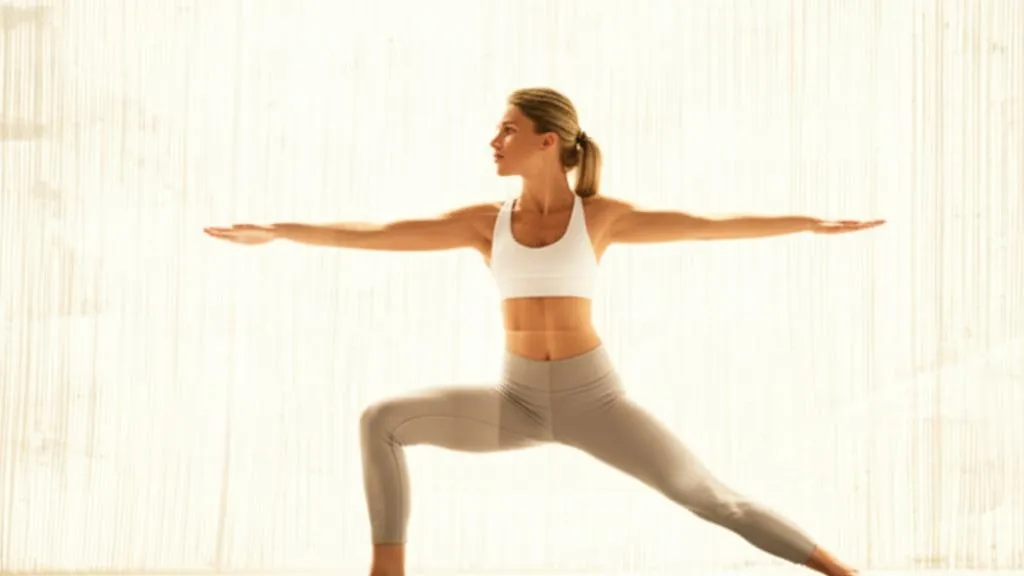
Do you often feel physically exhausted and stiff by the end of a long workday? Does your mind feel completely overwhelmed and tired when you finally try to rest? Many of us want to start a new fitness routine, but finding the right time or choosing the best activity can feel too difficult.
When you feel this way, yoga offers a wonderful practice that brings comfort and relief to both your body and your mind at the same time. You do not need to be an expert athlete or super flexible to begin enjoying these benefits right away.
Whether you want to ease lower back tension, calm your racing thoughts, or get a deeper night of rest, yoga meets you exactly where you are today. Let us explore how simple breathing exercises and gentle poses can help you feel healthier, stronger, and much more relaxed.
Key Takeaways
- Yoga combines physical poses, focused breathing, and gentle meditation to support total wellness.
- Regular practice improves joint flexibility, builds core strength, and protects your posture.
- Simple breathing techniques lower stress hormones like cortisol and promote restorative sleep.
- Beginners of any age can modify poses to fit their current physical fitness level safely.
Sleep cycle calculator. Find optimal wake-up times based on 90-minute sleep cycles to wake up refreshed and avoid sleep inertia.
What Is Yoga?
Simply put, yoga is an ancient practice from India that connects your mind and your body together. It is much more than just a physical stretching workout.
Traditional yoga includes three main parts that work together to create balance:
- Asanas: These are the physical postures and body shapes you make during practice.
- Pranayama: These are specific breathing exercises and controlled breathing patterns.
- Dhyana: This is meditation, which means keeping your mind focused and calm.
Many people believe you must already have a body as flexible as rubber to start doing yoga. However, that is a complete myth.
Anyone can practice yoga at any age by adapting the movements to fit their own body. Some yoga styles are very gentle and slow-paced, which makes them perfect for beginners.
For example, Hatha yoga is a very popular and gentle style. It helps you build physical strength, improve flexibility, and enhance your overall body balance safely.
Important Note: Before you start any new exercise routine, always talk with your doctor to make sure it is safe for you. This step is especially important if you live with back problems, joint pain, or other ongoing medical concerns.
Main Health Benefits of Yoga
The positive effects of practicing yoga regularly extend far beyond simple stretching. Let us look at the primary health benefits you can experience:
| Main Benefit | In Simple Terms |
|---|---|
| Flexibility | Reduces stiffness and muscle tightness so you can bend and move with ease. |
| Strength | Builds strong muscles, especially in your arms, core, and legs. |
| Posture | Strengthens core muscles to help you stand and sit tall naturally. |
| Breathing | Calms your mind through breath awareness and expands lung capacity. |
| Weight Control | Burns calories and reduces stress-related emotional eating habits. |
| Stress Relief | Soothes your mind and helps regulate stress hormones like cortisol. |
| Sleep Quality | Helps you fall asleep faster and enjoy deep, restorative rest. |
| Heart Health | Supports healthy blood pressure and balanced heart rates. |
Improving Flexibility with Yoga
Yoga poses gently stretch and lengthen your muscles. This action reduces daily stiffness and fatigue, making it much easier to move your body through your regular activities.
The amazing thing is that you can start noticing these positive changes within just a few weeks of practice. Some clinical studies show that practicing yoga for eight weeks can boost your overall flexibility by around 35 percent.
Cat and Cow Pose for Back Pain
The Cat and Cow pose is a wonderful, gentle movement to soothe a tired, stiff back.
- Start on your hands and knees on a comfortable exercise mat. Keep your wrists directly under your shoulders and your knees directly under your hips.
- Exhale slowly as you round your back upward toward the ceiling like a stretching cat, tucking your head and tailbone downward.
- Inhale slowly as you drop your belly toward the floor, lifting your chest and tailbone upward into a gentle backbend.
- Repeat this smooth flowing movement back and forth about three to five times.
Building Physical Strength with Yoga
Certain dynamic yoga styles, such as Ashtanga and Power yoga, move at a faster pace. These vigorous styles do an incredible job of building muscle strength.
However, even gentle styles like Hatha yoga help you build meaningful physical strength over time. Poses like Downward-Facing Dog, Upward-Facing Dog, and Plank pose build upper body power.
Holding standing poses for several breaths also strengthens your leg muscles and your deep abdominal core.
Plank Pose for Core Strength
The Plank pose is a fantastic exercise to build strong belly and core muscles.
- Begin on your hands and knees in the same starting position as the Cat and Cow pose.
- Step your feet backward one at a time and straighten your legs behind you.
- Engage your stomach muscles and keep your entire body in a straight line from your head to your heels, similar to the top position of a push-up.
- Hold this position while taking slow, steady breaths. If this feels too difficult at first, you can gently lower your knees to the floor for support.
Improving Your Posture with Yoga
As your body grows stronger and more flexible, your natural posture improves automatically. Yoga poses specifically target your core muscles.
Strong core muscles make it much easier to sit and stand tall throughout the day. Over time, slouching and hunched shoulders naturally fade away.
Also, yoga builds deep body awareness. If you catch yourself slouching during work, you will right away notice it and correct your posture on your own.
Bridge Pose for Back Relief
The Bridge pose strengthens your lower back and glutes while opening your chest.
- Lie flat on your back on your mat with your knees bent and your feet flat on the floor hip-width apart. Rest your arms flat by your sides with your palms facing down.
- Press firmly into your feet and slowly lift your hips toward the ceiling. Your thighs and hips should form a straight, comfortable line.
- Ensure your neck stays relaxed and flat against the mat without feeling any strain. Avoid this pose if you have an active neck injury.
- If you want a deeper stretch, clasp your hands together underneath your lifted hips.
Reducing Stress and Improving Sleep
The deep sense of calm you feel after finishing a yoga session is truly wonderful. Because yoga encourages mindful breathing, it helps quiet a busy mind and melt away mental tension.
Consider what happens when you experience chronic stress. Your body releases a hormone called cortisol. High cortisol levels can increase belly fat storage and trigger strong cravings for sweet, oily comfort foods.
By helping regulate your cortisol levels, yoga supports both your mental health and your weight management goals. For people struggling with insomnia or sleepless nights, yoga provides a safe, natural remedy.
Clinical studies show that people who practice yoga daily enjoy deeper, more restful sleep every night.
Legs Up the Wall Pose for Better Sleep
This restorative pose is wonderful to practice right before bedtime to relax your nervous system.
- Sit sideways next to a blank wall in your bedroom.
- Swing your legs up onto the wall and lie back so your lower back rests comfortably on the floor and your buttocks touch the wall base.
- Keep your legs relatively straight but relaxed without locking your knees tightly.
- Close your eyes and hold this position for a few minutes while taking slow, deep breaths. This simple pose relieves heavy, tired legs and calms your mind instantly.
When to Seek Emergency Medical Attention
Stop exercising right away and call 911 (US/Canada) or 999 (UK) or go to your nearest Emergency Department if you experience sudden chest pain, severe shortness of breath, sudden dizziness, fainting, or acute sharp joint and back pain while practicing yoga.
💡 Take-Home Message
Yoga is a wonderful practice that nurtures both your physical body and your mental well-being. It delivers countless health benefits, including improved flexibility, enhanced strength, better posture, lower stress, deeper sleep, and stronger heart health.
As with any new physical activity, remember to talk with your doctor before starting yoga, especially if you have pre-existing health conditions. Whenever possible, learn from an experienced instructor in local classes.
Proper guidance ensures you perform poses safely and protects your body from accidental injury. Enjoy your journey toward better health and relaxation!





No comments yet. Be the first to share your question or experience below.