
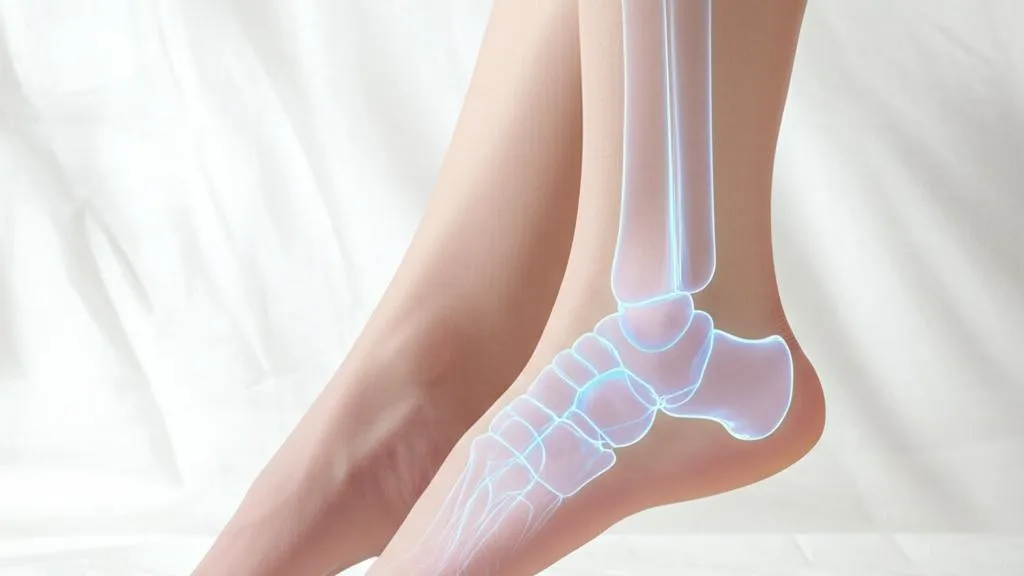
Have you ever noticed that one of your arms, legs, or another part of your body feels swollen, heavy, or unusually tight? Perhaps you have tried to put on your favorite shirt or ring, only to find that it suddenly feels much too tight and uncomfortable.
If you experience these physical changes in your daily life, you might be dealing with a medical condition known as lymphedema. Do not feel worried or frightened, because today we will explore this condition in great detail so you can understand every aspect of it clearly.
Key Takeaways About Lymphedema
- Lymphedema is a chronic swelling caused by a blockage or disruption in your body's lymphatic system.
- It most commonly affects your arms and legs, but it can develop in other parts of your body as well.
- While there is no permanent cure, you can successfully manage symptoms using physical therapy, compression garments, and healthy habits.
- Protecting your skin from cuts, scratches, and infections is vital to prevent serious medical complications.
What Is Lymphedema?
Simply put, lymphedema is a medical condition where certain parts of your body swell up with excess fluid. The primary cause behind this swelling is a problem or disruption within your lymphatic system. You might wonder what your lymphatic system actually does inside your body every single day.
Think of your body as a bustling city with an underground network of tiny pipes, much like your blood vessels. This intricate network of tubes is your lymphatic system. Its main job is to collect extra fluid, proteins, and waste products from your tissues and cells, and then carry them back into your bloodstream. Just like the plumbing system in your home, it removes unwanted waste to keep everything clean and balanced.
So, what happens when this lymphatic system stops working properly? The fluid and proteins that need to be removed get trapped in one spot, causing the surrounding tissue to swell up. Most of the time, this swelling happens in your arms and legs. However, it can develop in almost any part of your body. When you have lymphedema, the swollen area also has a much higher risk of developing painful infections.
This medical condition can happen after certain surgical procedures, or it can be caused by specific medical illnesses and genetic traits. Sometimes, lymphedema can develop without any clear or obvious cause at all. Doctors call this spontaneous development.
The signs and symptoms of lymphedema can start very mildly for some people, showing up as a tiny bit of swelling and minor discomfort. However, for other people, the condition can cause significant swelling, severe pain, and skin problems like wounds or infections. Even though doctors cannot cure lymphedema completely, there are many effective treatments available to lower the swelling and ease your discomfort. Also, there are many things you can do on your own to reduce how much this condition affects your daily life.
How Does Lymphedema Affect Your Body?
If you have lymphedema, your arms, legs, feet, and other body areas might look and feel swollen. Lymphedema can be very painful and can make it difficult for you to carry out your everyday daily activities and chores. Many people feel very worried or stressed about how lymphedema changes their physical appearance, which can also cause significant emotional distress.
Is Lymphedema a Serious Condition?
Yes, in many cases, this condition can become quite serious. If you have lymphedema, you have an increased risk of developing dangerous infections through your skin. These infections can sometimes become life-threatening medical emergencies. Although it happens very rarely, lymphedema can also lead to a very rare type of skin cancer known as lymphangiosarcoma.
Are There Different Types of Lymphedema?
Yes, there are two main types of lymphedema. These two categories are called primary lymphedema and secondary lymphedema.
Primary Lymphedema
Primary lymphedema happens because of rare, inherited genetic conditions that affect how your lymphatic system develops and grows. In the United States, this affects about one person in every one hundred thousand people. Lymphedema caused by these genetic conditions can show up at several different stages of life:
- During infancy: Some babies are born with a primary lymphedema condition known as Milroy's disease.
- During puberty, pregnancy, or up to age 35: A condition called Meige disease or lymphedema praecox can affect teenagers, pregnant women, and adults up to the age of 35.
- After age 35: A rare, late-onset condition known as lymphedema tarda can cause swelling in your legs later in life.
Secondary Lymphedema
Secondary lymphedema can happen if your lymphatic system is damaged by surgery, a physical injury, or radiation therapy. This type is most commonly seen in people who have received treatments for breast cancer. However, you should remember that not everyone who receives breast cancer treatments will develop lymphedema.
Is Lymphedema a Form of Cancer?
No, lymphedema is not a type of cancer at all.
What Are the Symptoms of Lymphedema?
The most common symptom that people notice is swelling. This swelling can develop very slowly over a long period of time. Sometimes, you might not notice any unusual swelling during the early stages. Alternatively, the swelling from lymphedema can also appear quite suddenly. Other symptoms that you might feel or notice include:
- The veins and tendons in your hands and feet becoming hard to see or feel when you touch them.
- Your two arms or two legs looking slightly different in size and shape.
- Your joints feeling stiff, making it difficult to bend or straighten them easily.
- Your skin looking puffed up, stretched, or reddish in appearance.
- Swelling in your arms, legs, or other parts of your body.
- Your arms, legs, or other body parts feeling heavy, full, and uncomfortable.
- Your clothing and jewelry feeling much tighter than they usually do.
- Sometimes feeling a burning sensation or an itchy feeling in the area.
- Your skin becoming noticeably thicker over time.
What Causes Lymphedema?
There are several different medical reasons and risk factors that can cause lymphedema to develop. Let us look at what those causes are:
- Breast cancer surgery: During some breast cancer surgeries, doctors remove lymph nodes under your armpit. This surgical removal can damage nearby lymph vessels.
- Pelvic surgery: Surgeries that remove lymph nodes in your pelvic region can also cause lymphedema to develop.
- Radiation therapy: Radiation treatments can cause scarring and damage within your lymphatic system. This damage can cause inflammation and place pressure on how lymph fluid circulates.
- Physical trauma: Your lymphatic system consists of a network of vessels located right under your skin and deep inside your body. A physical injury to any part of your body can damage these underlying lymph vessels and cause lymphedema.
- Infection: A severe infection can increase the damage already affecting your lymphatic system.
- Severe obesity: People who carry extra adipose tissue from obesity can experience extra pressure on their lymph nodes and vessels. This extra pressure can interfere with normal lymphatic drainage.
- Lack of physical activity: The muscles in your legs help pump lymph fluid through your body. If you are not very active, your legs can swell more easily.
- Tumors: Certain growths or tumors can block the normal flow of lymph fluid.
- Heart conditions: People with heart problems, especially congestive heart failure, can develop lymphedema. Your lymph vessels normally return lymph fluid back to your heart. If your heart is not pumping properly, fluid can build up in your body and your legs can swell.
- Blood vessel problems: Blood vessels carry between 80% and 90% of all fluid throughout your body. Any problem within your vascular system can cause chronic blood vessel disorders, which can also lead to lymphedema.
- Kidney disease: Your kidneys remove extra fluid and waste products from your body. If your kidneys do not work properly, your body struggles to eliminate excess fluid. This extra fluid causes swelling that can contribute to lymphedema.
How Do Doctors Diagnose Lymphedema?
If you have swelling that might be caused by lymphedema, your doctor can perform several tests to confirm the exact diagnosis. These diagnostic tests can include:
- Doppler ultrasound: This test bounces high-frequency sound waves off your red blood cells to check your blood flow. Doctors use this test to find blockages and rule out blood clots or other causes of swelling.
- Magnetic resonance imaging (MRI): This test uses a large magnet, radio waves, and a computer to create detailed three-dimensional pictures of the inside of your body. Doctors use an MRI to check if a growth or tumor is pressing on your lymphatic system.
- Computed tomography scan (CT scan): This test uses X-rays to create detailed cross-sectional pictures of your body structures. Just like an MRI, doctors use a CT scan to check for signs of pressure on your lymphatic system.
Are There Stages of Lymphedema?
Yes, doctors use the following staging system to describe how advanced the condition is:
- Stage 0: The affected area might feel swollen, tight, or heavy, but there is no visible swelling yet.
- Stage I: Swelling may sometimes be present. If you raise the affected body part up high, the swelling goes away.
- Stage II: The affected area stays swollen most of the time. The skin in that area may feel a bit firmer than normal.
- Stage III: There is significant, noticeable swelling in the affected area. You may also notice changes in your skin color and texture.
Can Lymphedema Be Completely Cured?
Actually, there is no permanent cure for lymphedema. This means you cannot make it disappear completely forever. However, there are many helpful treatments available that lessen how much the condition affects your daily life and help you maintain a high quality of life.
What Treatments Are Available for Lymphedema?
Lymphedema treatments depend on the underlying cause and the specific stage of your condition. These treatments can include physical therapy or other methods designed to keep lymph fluid moving and reduce swelling and pain. Your doctor may also prescribe antibiotics or pain medicines if you develop an infection.
Physical Therapies for Lymphedema
Lymphedema treatments usually combine physical therapy with special garments or bandages that help drain fluid away from the affected areas. If you receive physical therapy for lymphedema, using these garments or bandages after your therapy sessions is extremely important to maintain your results. Physical therapy treatments for lymphedema can include:
- Compression garments: These special items can be stockings, sleeves, or wraps. The gentle pressure they create pushes fluid from your tissues back into your circulatory system. This helps lower swelling and reduces your risk of lymphedema complications.
- Physical therapy: Physical therapists who specialize in lymphedema use a gentle massage technique to stimulate circulation. This technique is called Manual Lymphatic Drainage (MLD). Your therapist may also teach you how to perform this massage safely on your own.
- Multilayer compression bandaging: After an MLD session, your physical therapist may apply multilayer compression bandages to your swollen areas. (If you have ever sprained your ankle, your doctor might have wrapped it with a short-stretch bandage to bring down the swelling. Multilayer compression bandaging works in a similar way for lymphedema.) Therapists apply several layers of bandages to put different levels of pressure on your swollen tissues. These bandages push against your tissues to move fluid back into your circulation system.
- Compression devices: These pneumatic compression pumps use intermittent pressure to keep fluid moving smoothly through your lymph vessels and veins. This prevents fluid from getting trapped in your arms, legs, and other areas. These devices work by connecting a pump to a sleeve that wraps around the affected body part. The pump creates a regular pressure cycle that inflates and deflates the sleeve. Compression pumps can also help lower your risk of lymphedema complications.
- Elevation: Gravity plays a big role in lymphedema symptoms. You should try to elevate the affected body part as often as possible throughout the day.
- Exercise: Physical exercise is very important to stimulate the flow of lymph fluid.
Surgical Treatments for Lymphedema
If non-surgical treatments do not relieve your symptoms, your doctor might recommend surgery. Doctors usually perform these surgeries only at specialized medical centers. Lymphedema surgery is generally performed only if your condition is severe. Also, surgery does not provide a complete cure, and not everyone is a good candidate for surgery. If you have lymphedema, ask your doctor whether surgery is an appropriate option for you. Surgical treatments can include:
- Lymphatic bypass procedure: This surgery connects lymph vessels directly to nearby veins, bypassing blocked areas so lymph fluid can drain directly into your body's venous system.
Lymph node transfer: Surgeons take healthy lymph nodes from another part of your body and transplant them into the area with damaged nodes. This essentially builds a brand-new lymphatic system for the affected body part.
- Debulking: Surgeons perform this procedure for very severe cases of lymphedema. The procedure removes excess skin, fat, and tissue from the affected area, followed by a skin graft to cover the area.
What Can You Expect If You Have Lymphedema?
Lymphedema is a chronic condition. While treatments and lifestyle changes cannot cure lymphedema, they are very effective ways to manage your symptoms day by day.
How Can You Reduce Your Risk of Lymphedema?
Although you cannot prevent every single case of lymphedema, there are steps you can take to reduce swelling and sometimes prevent the condition entirely. If you are preparing for breast cancer surgery or another medical treatment, ask your surgeon and healthcare team about exercises that can help reduce swelling. Other important steps include:
- Monitoring your body: Ask your doctor if you can measure the affected body part regularly and keep track of small changes before you feel any swelling. Catching changes early allows you to start treatment much faster.
- Elevating affected areas: Whenever possible, keep your affected arm or leg raised higher than the level of your heart.
- Staying active: Find gentle ways to keep moving while you recover so your body fluids can circulate properly.
- Avoiding extreme heat: Extreme heat can increase your risk of lymphedema.
Additional Recommendations
Living with a swollen arm or leg can make staying comfortable a challenge. These helpful suggestions can make things easier:
- Wear loose clothing: Choose loose, comfortable clothing for your arms and legs. Avoid wearing tight socks, tights, or restrictive hosiery. Wear comfortable shoes that fully enclose your toes. You might find that you cannot wear rings or bracelets on your affected arm. However, if you can wear them, make sure your watch or jewelry does not pinch or squeeze your skin.
- Sit correctly: When you sit down, keep both feet flat on the floor and avoid crossing your legs. This helps fluid circulate properly through your legs. Try to stand up and walk around for a few minutes every 30 minutes.
- Travel safely: If you are planning an upcoming airplane flight, ask your doctor if you need to wear compression garments on your affected arm or leg during the flight.
When Should You See a Doctor?
Emergency Warning Signs: When to Call 911 or Go to the ER
Call 911 (US/Canada) or 999 (UK), or go to your nearest Emergency Department right away if your affected arm or leg becomes suddenly much larger, hot to the touch, severely painful, or if you develop a high fever with chills and spreading redness. These are signs of a severe skin or bloodstream infection (cellulitis or sepsis) that requires urgent medical attention.
You should schedule an appointment to see your doctor right away if you notice that your affected arm or leg is swelling much more than usual, or if you think you might be developing an infection.
How Do You Manage Lymphedema Day-to-Day?
While lymphedema cannot be cured completely, making small daily changes in your routine can help you reduce swelling and control your symptoms. Important strategies include protecting yourself from infections, exercising regularly, and adjusting your diet.
How to Protect Yourself from Infections
Lymphedema places extra pressure on your skin. This makes it much easier for minor cuts and scrapes to turn into serious infections. People with lymphedema can develop severe health complications from infections. Practicing good hygiene and protecting your skin will help you stay safe from infections. Here are some helpful suggestions:
- Wash your hands often: Wash your hands thoroughly with soap and warm water throughout the day, especially before preparing food, after using the bathroom, and after touching dirty laundry or linens.
- Protect your skin: Wear protective gloves when gardening or doing chores to avoid scratches. Use an electric razor when shaving to prevent nicks. Apply insect repellent to prevent bug bites. Wear sunscreen with an SPF of 30 or higher when you go outside.
- Treat every wound right away: Even minor cuts can cause serious infections. If you get a cut or scrape, wash the wound thoroughly with soap and water, apply an antibiotic ointment, and cover it with a clean bandage. Contact your doctor right away if you notice redness, worsening pain, increased swelling, or a fever.
How Exercise Helps Lymphedema
Lymphedema happens when fluid gets trapped in one area of your body. Physical exercise is one of the very best ways to keep that fluid moving. Talk with your doctor before starting any new exercise program. They can give you personalized advice and recommend specific exercises that are safe for you. Other useful recommendations include:
- Warm up and cool down: No matter what exercise you choose, start your workout with five minutes of gentle stretches, and finish with five to ten minutes of cool-down movements.
- Start slowly: Give your body time to get used to your new exercise routine. Start with short 10-minute exercise sessions and gradually build up your goal to 20 to 30 minutes each day.
- Keep it gentle: Avoid strenuous exercises that put too much stress or strain on your affected arm or leg.
- Be careful with lifting weights: If you normally lift weights or do strength training, ask your doctor when it is safe for you to start those exercises again. They can tell you which exercises you should avoid and recommend safe weight limits for you.
- Do not overdo it: Pay close attention to your affected arm or leg. If it feels weak, stop and take a rest. Finish your cool-down exercises, then rest by elevating your arm or leg higher than your heart.
- Never exercise through pain: Stop any exercise that causes you pain and call your doctor right away. Your doctor may need to examine your affected arm or leg.
How Changing Your Diet Helps
Healthy eating habits can help you control swelling. Nutrients from fresh fruits, vegetables, whole grains, and lean proteins help your lymphatic system work much more efficiently. A healthy diet also helps you maintain a body weight that is right for you. Some helpful recommendations include:
- Cut back on salt: Eating too much salt can cause your body to hold onto extra fluid. Try using fresh herbs and spices instead of salt to flavor your meals.
- Drink plenty of water: Drinking eight 8-ounce glasses of water every day helps your body flush out extra fluids.
| Habits to Embrace (Do's) | Habits to Avoid (Don'ts) |
|---|---|
| Wear your prescribed compression garments consistently every day. | Never skip compression therapy after physical therapy sessions. |
| Elevate your arms and legs above your heart whenever possible. | Avoid wearing tight jewelry, watches, or restrictive clothing on affected limbs. |
| Practice gentle, approved exercises and stay physically active. | Never push through sharp pain or heavy fatigue during workouts. |
| Keep your skin clean, moisturized, and protected from cuts and insect bites. | Avoid exposing your affected limbs to extreme heat, saunas, or hot tubs. |
💡 The Take-Home Message
So, we have talked about many important things regarding lymphedema today! Remember that lymphedema is swelling that happens because your lymphatic system is not working at full strength.
- Early detection is essential: If you notice unusual swelling, a heavy feeling, or changes in your skin on your arms or legs, talk to your doctor right away.
- No cure, but manageable: With the right treatments, exercises, compression garments, and lifestyle changes, you can manage this condition successfully.
- Protect against infections: Keep your skin clean, moisturized, and take care of even the smallest cuts right away.
- You are not alone: Living with this condition can feel difficult at times, but doctors, physical therapists, and your loved ones are here to support you.
We hope these medical insights help you understand lymphedema better. Stay healthy and take good care of yourself!




No comments yet. Be the first to share your question or experience below.