
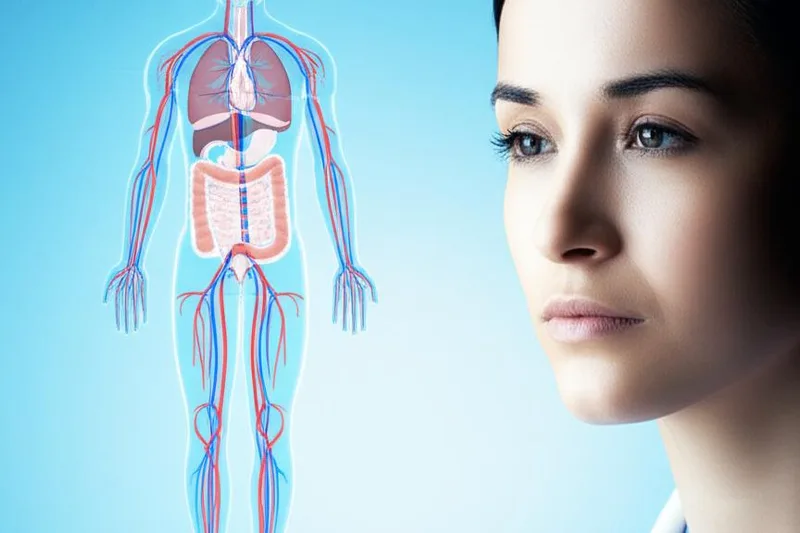
Let's learn about the amazing way our body works? (Physiology)

Let's learn about the amazing way our body works? (Physiology)

Have you ever wondered how the food we eat turns into energy, what really happens to our bodies when we breathe, or what kind of battle takes place inside our bodies when we get sick? Physiology, or the science of body function , is the science that answers all these questions and teaches us how this amazing machine called our body works.

Simply put, what is Physiology?

Simply put, physiology is the field of science that helps us understand how our bodies function, both when we are healthy and when we are sick. It is like the chemistry and physics of our bodies. It covers everything from the smallest particle level to how entire organ systems work together.

This knowledge helps us understand how the body works when it is healthy and what goes wrong when it is sick. Much of the research in physiology takes place in laboratories. While some scientists study a single protein or cell, others investigate how cells come together to form tissues, organs, and systems.

What is the difference between Anatomy and Physiology?

This is very simple. Think about it, Anatomy is learning about the parts, or structure, of our body. It's like learning about the engine, tires, and doors of a car.

Physiology is the study of how those parts function . That is, how a car's engine starts, how the tires spin, and how the brakes work.

In medicine, an X-ray or an ultrasound scan shows us the anatomy of your body. That is, pictures of things like bones and ligaments. But to learn about the physiology of your body, that is, how it functions, a doctor uses things like urine tests , blood tests , or an ECG test.

What happens to the body when an illness occurs (Pathophysiology)

Pathophysiology is a branch of physiology that studies how changes in the body's function occur due to a disease or injury. That is, it studies what happens inside the body when a disease occurs.

Here are some examples:

  • Itching when bitten by a mosquito: Imagine scratching the area when bitten by a mosquito, right? The reason for this is that there is a chemical called `(Histamine)` in the mosquito's saliva. When this binds to the nerve endings in our skin, those nerves send a signal to the brain saying "scratch here". Did you see the scientific process behind this little thing?
  • Heart Failure: If a person has uncontrolled high blood pressure , their heart has to work harder than normal to pump blood throughout the body. Over time, this strain can weaken the heart muscle and make it unable to function properly.
  • Kidney Failure: Our kidneys are like two filters. They filter waste products and extra fluid from the blood and excrete them as urine. But when the kidneys stop working, these toxins start to accumulate in the body instead of being excreted. This leads to a serious condition called ``End-stage renal disease``.
  • Diabetes Mellitus: In some types of diabetes, our pancreas stops producing the hormone insulin that our body needs. Without insulin, the sugar in the food we eat builds up in the blood instead of being used for energy. This can damage other major organs, such as the heart and kidneys.

Pathophysiology helps us understand the processes behind many of these diseases.

Our body's main systems and physiology

Physiology allows us to learn about almost every system in the body. Doctors use this knowledge to make decisions about our illnesses.

Body system (System) Simple Function
Cardiovascular system Blood flow through the heart and blood vessels.
Digestive system Digestion and absorption of nutrients.
Endocrine system Control of body functions through the production of hormones.
Immune system Fighting germs and diseases.
Muscular system Helping the body move.
Nervous system Message exchange through the brain, spinal cord, and nerves.
Renal system The kidneys control the body's fluids and waste.
Reproductive system The sexual organs for reproduction.
Respiratory system Breathing through the lungs and airways.
Skeletal system Bones and joints provide shape and support to the body.

Body balance (Homeostasis)

One of the most important concepts we can understand in physiology is homeostasis . Simply put, this is the amazing effort our body makes to maintain a steady state of balance within its internal environment , in response to changes in the external environment.

Think about it, whether we are in the sun or in the cold, our body temperature always remains at the same level (around 37°C). Also, no matter what kind of food we eat, our body always tries to keep things like our blood sugar and salt levels within a certain range. That process is called ``Homeostasis''. When this breaks down, we develop diseases.

Take-Home Message

  • Physiology is the science that teaches us how our bodies and their organ systems work. It's like the body's "how-it-works" manual.
  • Anatomy is the study of the parts of the body (structure), while physiology is the study of how those parts work (function).
  • Physiology helps us understand what happens inside our bodies, both when they are healthy and when they are sick.
  • Your doctor uses this knowledge of physiology extensively to diagnose and treat diseases.
  • Being aware of this amazing process that takes place inside our bodies helps us take better care of our health.

Physiology, how the body works, anatomy, pathophysiology, body systems, health, homeostasis

⚠️ Important: The medical articles and information on Nirogi Lanka are for general awareness only, and are by no means a substitute for professional medical advice, diagnosis, or treatment. For any medical problem you have, consult a qualified physician immediately.

💬 Comments (0)

No comments yet. Be the first to share your thoughts here.

Add Your Comment

Please calculate: 7 + 2 =
Let's learn about the amazing way our body works? (Physiology)
How the Body WorksNovember 20, 2025

Let's learn about the amazing way our body works? (Physiology)

Have you ever wondered how the food we eat turns into energy, what really happens to our bodies when we breathe, or what kind of battle takes place inside our bodies when we get sick? Physiology, or the science of body function , is the science that answers all these questions and teaches us how this amazing machine called our body works.

Simply put, what is Physiology?

Simply put, physiology is the field of science that helps us understand how our bodies function, both when we are healthy and when we are sick. It is like the chemistry and physics of our bodies. It covers everything from the smallest particle level to how entire organ systems work together.

This knowledge helps us understand how the body works when it is healthy and what goes wrong when it is sick. Much of the research in physiology takes place in laboratories. While some scientists study a single protein or cell, others investigate how cells come together to form tissues, organs, and systems.

What is the difference between Anatomy and Physiology?

This is very simple. Think about it, Anatomy is learning about the parts, or structure, of our body. It's like learning about the engine, tires, and doors of a car.

Physiology is the study of how those parts function . That is, how a car's engine starts, how the tires spin, and how the brakes work.

In medicine, an X-ray or an ultrasound scan shows us the anatomy of your body. That is, pictures of things like bones and ligaments. But to learn about the physiology of your body, that is, how it functions, a doctor uses things like urine tests , blood tests , or an ECG test.

What happens to the body when an illness occurs (Pathophysiology)

Pathophysiology is a branch of physiology that studies how changes in the body's function occur due to a disease or injury. That is, it studies what happens inside the body when a disease occurs.

Here are some examples:

  • Itching when bitten by a mosquito: Imagine scratching the area when bitten by a mosquito, right? The reason for this is that there is a chemical called `(Histamine)` in the mosquito's saliva. When this binds to the nerve endings in our skin, those nerves send a signal to the brain saying "scratch here". Did you see the scientific process behind this little thing?
  • Heart Failure: If a person has uncontrolled high blood pressure , their heart has to work harder than normal to pump blood throughout the body. Over time, this strain can weaken the heart muscle and make it unable to function properly.
  • Kidney Failure: Our kidneys are like two filters. They filter waste products and extra fluid from the blood and excrete them as urine. But when the kidneys stop working, these toxins start to accumulate in the body instead of being excreted. This leads to a serious condition called ``End-stage renal disease``.
  • Diabetes Mellitus: In some types of diabetes, our pancreas stops producing the hormone insulin that our body needs. Without insulin, the sugar in the food we eat builds up in the blood instead of being used for energy. This can damage other major organs, such as the heart and kidneys.

Pathophysiology helps us understand the processes behind many of these diseases.

Our body's main systems and physiology

Physiology allows us to learn about almost every system in the body. Doctors use this knowledge to make decisions about our illnesses.

Body system (System) Simple Function
Cardiovascular system Blood flow through the heart and blood vessels.
Digestive system Digestion and absorption of nutrients.
Endocrine system Control of body functions through the production of hormones.
Immune system Fighting germs and diseases.
Muscular system Helping the body move.
Nervous system Message exchange through the brain, spinal cord, and nerves.
Renal system The kidneys control the body's fluids and waste.
Reproductive system The sexual organs for reproduction.
Respiratory system Breathing through the lungs and airways.
Skeletal system Bones and joints provide shape and support to the body.

Body balance (Homeostasis)

One of the most important concepts we can understand in physiology is homeostasis . Simply put, this is the amazing effort our body makes to maintain a steady state of balance within its internal environment , in response to changes in the external environment.

Think about it, whether we are in the sun or in the cold, our body temperature always remains at the same level (around 37°C). Also, no matter what kind of food we eat, our body always tries to keep things like our blood sugar and salt levels within a certain range. That process is called ``Homeostasis''. When this breaks down, we develop diseases.

Take-Home Message

  • Physiology is the science that teaches us how our bodies and their organ systems work. It's like the body's "how-it-works" manual.
  • Anatomy is the study of the parts of the body (structure), while physiology is the study of how those parts work (function).
  • Physiology helps us understand what happens inside our bodies, both when they are healthy and when they are sick.
  • Your doctor uses this knowledge of physiology extensively to diagnose and treat diseases.
  • Being aware of this amazing process that takes place inside our bodies helps us take better care of our health.

Physiology, how the body works, anatomy, pathophysiology, body systems, health, homeostasis

⚠️ Important: The medical articles and information on Nirogi Lanka are for general awareness only, and are by no means a substitute for professional medical advice, diagnosis, or treatment. For any medical problem you have, consult a qualified physician immediately.

💬 Comments (0)

No comments yet. Be the first to share your thoughts here.

Add Your Comment

Please calculate: 7 + 2 =