
Does your child sweat a lot at night? (Night Sweats) - Should you be worried? Let's find out for sure!

Does your child sweat a lot at night? (Night Sweats) - Should you be worried? Let's find out for sure!

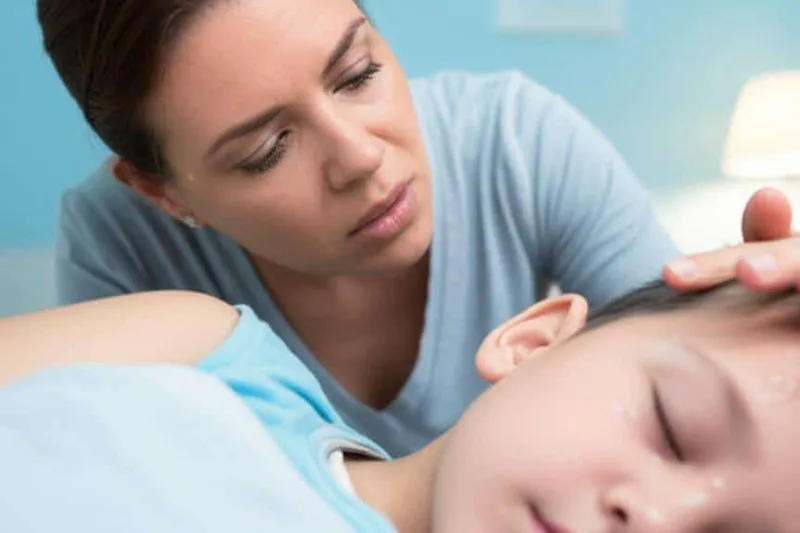
Your little one is sleeping soundly. But when you wake up in the middle of the night, your child's head, pillowcase, and perhaps even the clothes they are wearing are wet with sweat. The room is not very warm, and they are not well-wrapped. So, it is normal for a mother or father to feel a little scared and worried when they see their child sweating at night. "Why is my child sweating so much? Is this a sign of some kind of illness?" You must have wondered. So today, let's talk about night sweats in children, or what we call ``Night Sweats''.

What exactly are 'night sweats'?

First, let's understand this. Sweating is a natural way for our bodies to cool down. It's normal to sweat when the room is hot, or when you sleep with a lot of clothes on or a heavy blanket. It's also common for very young children to sweat more on their heads than on other parts of their bodies.

However, we specifically refer to ``Night Sweats'' as excessive sweating at night, even when the room temperature is normal, without any specific external cause, to the point where the child's clothes and bedding become wet. This is a common condition in children as well as adults. Most of the time, there may be no clear cause for this. However, sometimes, if it occurs along with other symptoms, it may be a sign of an underlying health problem.

What causes children to sweat at night?

In most cases, night sweats are not harmful. However, if they are caused by a medical condition, your child will definitely show other symptoms in addition to sweating. Let's look at some of the main causes.

1. Night Terrors

This is like a nightmare. This happens when the child is in a deep sleep. Even if the child is really scared, he or she will not remember the dream when he or she wakes up in the morning. During this time, the child may sweat profusely, squirm in bed, scream, sit up in bed and act agitated, and breathe rapidly. If your child is sweating at night with these symptoms, this could be the cause.

2. Obstructive Sleep Apnea Syndrome (OSAS)

This is a condition that needs some attention. If your child is snoring, breathing through their mouth, and struggling to sleep along with night sweats, it could be Obstructive Sleep Apnea Syndrome (OSAS). Simply put, this is a condition that disrupts breathing during sleep.

Children with this condition may not be able to sleep well, so they wake up very tired in the morning and may even have headaches. Young children may also have slower weight gain and growth than other children their age. They may also have difficulty concentrating on schoolwork and have behavioral problems because they are not getting enough sleep.

Imagine, your child snores at night, sleeps with his mouth open, seems very tired when he wakes up in the morning... says he has difficulty concentrating on schoolwork... If he's also sweating at night along with these things, you should definitely talk to your doctor about it.

3. Sweating without a specific cause (Idiopathic Hyperhidrosis)

This is when a person sweats excessively without any obvious medical reason. Usually, the face, palms, and soles of the feet are the most affected. When no other cause can be found for night sweats, doctors call this ``Idiopathic Hyperhidrosis``. It does not directly affect the child's health. However, as the child gets older, especially in social situations, this excessive sweating can cause some mental stress and anxiety.

4. Cancer

This is the reason that everyone is most afraid of. The first thing to say when talking about this is that this is a very rare cause . So don't be unnecessarily scared after reading this. Excessive night sweats are reported as a symptom of some types of cancer, such as leukemia.

The difference between normal sweating and this is that in this condition, the child wakes up as if he has just been bathed in sweat. The clothes and bedding may be so wet that it is impossible to sleep again. Some say that it feels like being in a bathroom.

If you're sweating heavily like this, pay close attention to the following symptoms as well.

Other symptoms to look out for when cancer is suspected
Fever Cough
Diarrhea (stomach ache) Weight loss for no reason
Flu-like symptoms Appetite
Frequent feeling of extreme fatigue Nosebleed
Pain in the bones Swelling of the joints (lumps)

Again, night sweats due to cancer are extremely rare.

What can be done to reduce night sweats in children?

You can try these things to help your baby sleep comfortably and reduce sweating:

  • Keep the baby's sleeping room cool. You can use a fan at night.
  • Wear light, cotton clothing that absorbs sweat well.
  • You can cool the child's head by placing a cool pack under their pillow.
  • Use moisture-wicking bedding instead of regular cotton.
  • Also, avoid excessive running, jumping, playing, or exercising right before bedtime. This will help your body cool down and allow you to fall asleep.

When should you see a doctor?

We now know that most night sweats are nothing to worry about. However, if you notice any of these things, it's best to talk to your child's doctor:

  • If night sweats occur frequently.
  • If one or more of the other symptoms we discussed above (such as fever, cough, wheezing, weight loss) are accompanied by sweating.
  • If you notice a change in your child's behavior (such as sudden outbursts of anger, hyperactivity).

Research has shown that children who sweat at night are more likely to develop respiratory or other sleep-related problems. So, if you have any concerns, don't hold them in and don't worry, consult a pediatrician or your family doctor. That's the best thing you can do for your child and for you.

Take-Home Message

  • It's common for children to sweat at night. It can be due to simple reasons like the heat of the room or their clothing.
  • If you experience symptoms such as snoring and mouth breathing along with sweating, it could be a condition called OSAS. It is important to seek medical advice about this.
  • Sweating is rarely caused by a serious illness like cancer, but be aware of other symptoms such as fever, weight loss, and extreme fatigue.
  • Keeping your baby's sleeping environment cool and comfortable can help reduce sweating.
  • If you have any doubts or if sweating occurs frequently, be sure to see a doctor for advice.

Night Sweats in Children, Night Sweats in Children, Pediatric Diseases, Obstructive Sleep Apnea, Sleep Problems, Child Health, Sweating

⚠️ Important: The medical articles and information on Nirogi Lanka are for general awareness only, and are by no means a substitute for professional medical advice, diagnosis, or treatment. For any medical problem you have, consult a qualified physician immediately.

💬 Comments (0)

No comments yet. Be the first to share your thoughts here.

Add Your Comment

Please calculate: 1 + 9 =
Does your child sweat a lot at night? (Night Sweats) - Should you be worried? Let's find out for sure!
SymptomsJuly 6, 2026

Does your child sweat a lot at night? (Night Sweats) - Should you be worried? Let's find out for sure!

Your little one is sleeping soundly. But when you wake up in the middle of the night, your child's head, pillowcase, and perhaps even the clothes they are wearing are wet with sweat. The room is not very warm, and they are not well-wrapped. So, it is normal for a mother or father to feel a little scared and worried when they see their child sweating at night. "Why is my child sweating so much? Is this a sign of some kind of illness?" You must have wondered. So today, let's talk about night sweats in children, or what we call ``Night Sweats''.

What exactly are 'night sweats'?

First, let's understand this. Sweating is a natural way for our bodies to cool down. It's normal to sweat when the room is hot, or when you sleep with a lot of clothes on or a heavy blanket. It's also common for very young children to sweat more on their heads than on other parts of their bodies.

However, we specifically refer to ``Night Sweats'' as excessive sweating at night, even when the room temperature is normal, without any specific external cause, to the point where the child's clothes and bedding become wet. This is a common condition in children as well as adults. Most of the time, there may be no clear cause for this. However, sometimes, if it occurs along with other symptoms, it may be a sign of an underlying health problem.

What causes children to sweat at night?

In most cases, night sweats are not harmful. However, if they are caused by a medical condition, your child will definitely show other symptoms in addition to sweating. Let's look at some of the main causes.

1. Night Terrors

This is like a nightmare. This happens when the child is in a deep sleep. Even if the child is really scared, he or she will not remember the dream when he or she wakes up in the morning. During this time, the child may sweat profusely, squirm in bed, scream, sit up in bed and act agitated, and breathe rapidly. If your child is sweating at night with these symptoms, this could be the cause.

2. Obstructive Sleep Apnea Syndrome (OSAS)

This is a condition that needs some attention. If your child is snoring, breathing through their mouth, and struggling to sleep along with night sweats, it could be Obstructive Sleep Apnea Syndrome (OSAS). Simply put, this is a condition that disrupts breathing during sleep.

Children with this condition may not be able to sleep well, so they wake up very tired in the morning and may even have headaches. Young children may also have slower weight gain and growth than other children their age. They may also have difficulty concentrating on schoolwork and have behavioral problems because they are not getting enough sleep.

Imagine, your child snores at night, sleeps with his mouth open, seems very tired when he wakes up in the morning... says he has difficulty concentrating on schoolwork... If he's also sweating at night along with these things, you should definitely talk to your doctor about it.

3. Sweating without a specific cause (Idiopathic Hyperhidrosis)

This is when a person sweats excessively without any obvious medical reason. Usually, the face, palms, and soles of the feet are the most affected. When no other cause can be found for night sweats, doctors call this ``Idiopathic Hyperhidrosis``. It does not directly affect the child's health. However, as the child gets older, especially in social situations, this excessive sweating can cause some mental stress and anxiety.

4. Cancer

This is the reason that everyone is most afraid of. The first thing to say when talking about this is that this is a very rare cause . So don't be unnecessarily scared after reading this. Excessive night sweats are reported as a symptom of some types of cancer, such as leukemia.

The difference between normal sweating and this is that in this condition, the child wakes up as if he has just been bathed in sweat. The clothes and bedding may be so wet that it is impossible to sleep again. Some say that it feels like being in a bathroom.

If you're sweating heavily like this, pay close attention to the following symptoms as well.

Other symptoms to look out for when cancer is suspected
Fever Cough
Diarrhea (stomach ache) Weight loss for no reason
Flu-like symptoms Appetite
Frequent feeling of extreme fatigue Nosebleed
Pain in the bones Swelling of the joints (lumps)

Again, night sweats due to cancer are extremely rare.

What can be done to reduce night sweats in children?

You can try these things to help your baby sleep comfortably and reduce sweating:

  • Keep the baby's sleeping room cool. You can use a fan at night.
  • Wear light, cotton clothing that absorbs sweat well.
  • You can cool the child's head by placing a cool pack under their pillow.
  • Use moisture-wicking bedding instead of regular cotton.
  • Also, avoid excessive running, jumping, playing, or exercising right before bedtime. This will help your body cool down and allow you to fall asleep.

When should you see a doctor?

We now know that most night sweats are nothing to worry about. However, if you notice any of these things, it's best to talk to your child's doctor:

  • If night sweats occur frequently.
  • If one or more of the other symptoms we discussed above (such as fever, cough, wheezing, weight loss) are accompanied by sweating.
  • If you notice a change in your child's behavior (such as sudden outbursts of anger, hyperactivity).

Research has shown that children who sweat at night are more likely to develop respiratory or other sleep-related problems. So, if you have any concerns, don't hold them in and don't worry, consult a pediatrician or your family doctor. That's the best thing you can do for your child and for you.

Take-Home Message

  • It's common for children to sweat at night. It can be due to simple reasons like the heat of the room or their clothing.
  • If you experience symptoms such as snoring and mouth breathing along with sweating, it could be a condition called OSAS. It is important to seek medical advice about this.
  • Sweating is rarely caused by a serious illness like cancer, but be aware of other symptoms such as fever, weight loss, and extreme fatigue.
  • Keeping your baby's sleeping environment cool and comfortable can help reduce sweating.
  • If you have any doubts or if sweating occurs frequently, be sure to see a doctor for advice.

Night Sweats in Children, Night Sweats in Children, Pediatric Diseases, Obstructive Sleep Apnea, Sleep Problems, Child Health, Sweating

⚠️ Important: The medical articles and information on Nirogi Lanka are for general awareness only, and are by no means a substitute for professional medical advice, diagnosis, or treatment. For any medical problem you have, consult a qualified physician immediately.

💬 Comments (0)

No comments yet. Be the first to share your thoughts here.

Add Your Comment

Please calculate: 1 + 9 =