
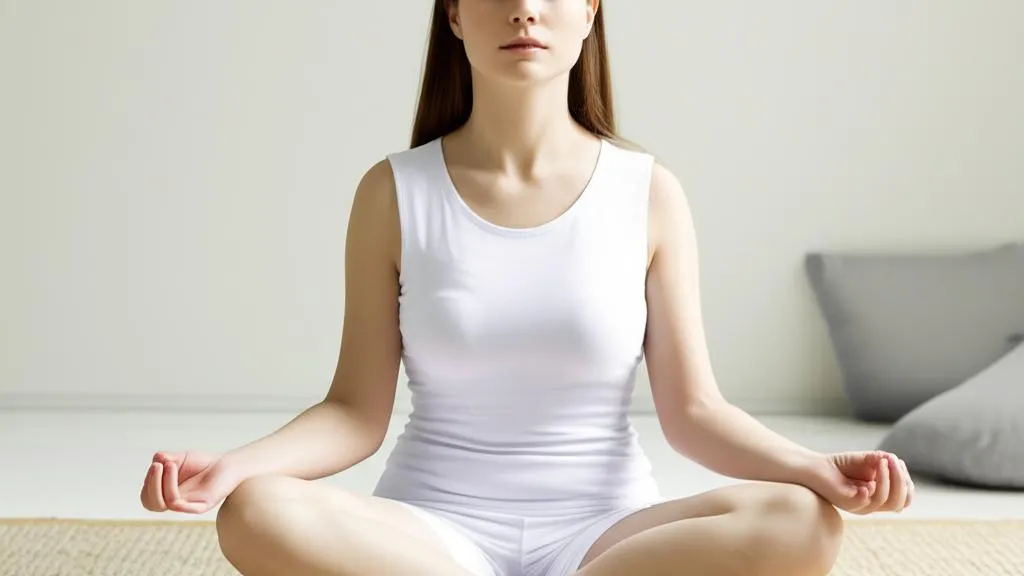
Have you ever tried to read a book, study for a test, or finish a work project only to find your mind wandering everywhere? Do you start a task and suddenly realize you are lost in a daydream? If this happens to you often, you are certainly not alone. Millions of people struggle with daily distractions and a wandering mind.
Fortunately, there is a very simple and powerful way to bring your scattered mind back to the present moment. By practicing regular meditation, you can train your brain to improve your focus, protect your mental health, and sharpen your memory. Let us explore everything you need to know about meditation and how it can help you live a calmer, more productive life.
Key Takeaways
- Meditation is a simple mental exercise that helps calm your mind and improve your attention span.
- Research shows that our minds wander during nearly half of our waking hours.
- Regular practice reduces stress, improves sleep quality, and supports overall mental resilience.
- Beginners can start with just five minutes a day using simple breathing or body stillness techniques.
- If persistent anxiety or low mood interferes with your daily life, speak with your doctor right away.
What Are the Mental Health Benefits of Meditation?
To put it simply, our minds often act like a very active child. Keeping a child still in one place is quite difficult. Scientific researchers have discovered that humans spend about 47 percent of their waking hours thinking about things other than what they are currently doing. Your mind is constantly jumping between past memories and future worries.
Meditation gives your brain a wonderful tool to gently catch that wandering mind and bring it back home. When you meditate regularly, positive changes happen inside your brain. Clinical studies show that meditation can positively influence brain regions connected to depression, chronic stress, and emotional regulation. When your mind feels lighter and calmer, you unlock many powerful benefits:
- Sharpened Focus: You can pay much closer attention to the task right in front of you without getting easily distracted.
- Better Memory: Your brain becomes more efficient at storing and recalling important information when you study or work.
- Richer Sleep: A calm mind transitions into deep, restful sleep much faster at night.
- Lower Stress Levels: Daily tension and pressure melt away as your nervous system learns to relax.
- Stronger Immunity: Lowering chronic stress helps protect your immune system so your body stays healthy.
- Greater Mental Strength: You build emotional resilience to handle life's unexpected challenges with grace.
Meditation is not just about making your mind quiet for a few minutes. It acts as a powerful daily workout routine for your mind and body.
How to Practice Focused Meditation
Focused meditation is one of the easiest and most popular methods for beginners. In this practice, you take your scattered thoughts and gently anchor them onto one single focal point. Your anchor can be your natural breath, a calming sound, or a peaceful image you hold in your mind.
This practice does not mean you must stop thinking completely. That is a common myth. When your mind inevitably wanders off to think about dinner or your to-do list, you simply notice it. You say to yourself, "Ah, my mind is wandering now." Then you gently guide your attention back to your chosen anchor point.
Let us look at four simple techniques you can try today to build your meditation habit.
| Meditation Technique | How to Do It Simply |
|---|---|
| Breath Awareness | Sit comfortably with a straight spine and close your eyes. Direct all your attention toward your breathing. Notice how the air flows in and out of your body. If your mind wanders, do not worry. Simply bring your focus back to your breath. |
| Body Stillness | This is similar to breath focus, but your primary goal is keeping your body completely still. Keep your back and head straight. It may feel challenging at first. As your physical body becomes still, you will notice your mind becoming quiet as well. |
| Reciting Mantras | A mantra is a simple, positive phrase you repeat silently or in a soft whisper. For example, you can repeat, "As I breathe out, my mind lets go of tension." Repeating this phrase gives your active mind a healthy anchor to hold onto. |
| Walking Meditation | If sitting still for too long feels difficult, try walking meditation. Walk slowly and focus your attention entirely on the physical sensations of your feet touching the ground. Tune into your movement rather than looking at your surroundings. |
Important Tips for Beginners Starting Meditation
When you start meditating for the very first time, you will not achieve a perfectly quiet mind on day one. Do not feel discouraged or upset by this. Building a meditation practice is just like starting a new physical exercise routine at the gym. You build your mental strength gradually through regular practice over time.
- Give Yourself Patience and Time: Meditation is a skill that grows with practice. Do not try to be perfect on your early attempts. Expecting perfection will only add extra stress to your day. Accept that a wandering mind is completely normal.
- Start with Short Sessions: Never compare yourself to people who have meditated for years. Begin with just five minutes each day. Once five minutes feels easy and comfortable, you can slowly increase your time to ten or fifteen minutes.
- Choose a Time That Fits You: Some people love meditating first thing in the morning to start their day with a clear mind. Others prefer meditating in the evening to wash away the day's stress and fatigue. Pick a quiet time that works best for your personal schedule.
Meditation is a wonderful, natural tool to help you clean your mental space, boost your attention, and build deep emotional strength. As you practice this daily habit, you will start noticing wonderful positive changes in your everyday life.
When to Seek Medical Attention & Emergency Red Flags
While meditation is a fantastic wellness practice, it is not a substitute for professional medical care when dealing with severe mental health conditions. If you experience overwhelming sadness, persistent anxiety, panic attacks, or thoughts of self-harm, you should take immediate action.
- Emergency Help: If you or someone you know is having a mental health crisis or thoughts of self-harm, call 911 (US/Canada), 999 (UK), or go to your nearest emergency department (ER / A&E) right away.
- Consult Your Doctor: If daily stress or low mood lasts for weeks and makes it hard to work or sleep, schedule an appointment with your doctor to discuss professional support and therapy options.
💡 Take-Home Message
- Meditation is a highly effective, natural way to improve your focus, memory, and overall mental wellbeing.
- When starting out, set aside a short period of just five minutes a day and increase your time gradually through steady practice.
- Having your mind wander during meditation is completely normal. Do not get frustrated. Simply guide your attention gently back to your breath.
- Try out different techniques like breath awareness, mantras, or walking meditation to find what suits your lifestyle best.
- If you struggle to manage intense stress or suspect you may be having clinical depression, schedule an appointment with your doctor right away for professional guidance.






No comments yet. Be the first to share your question or experience below.