
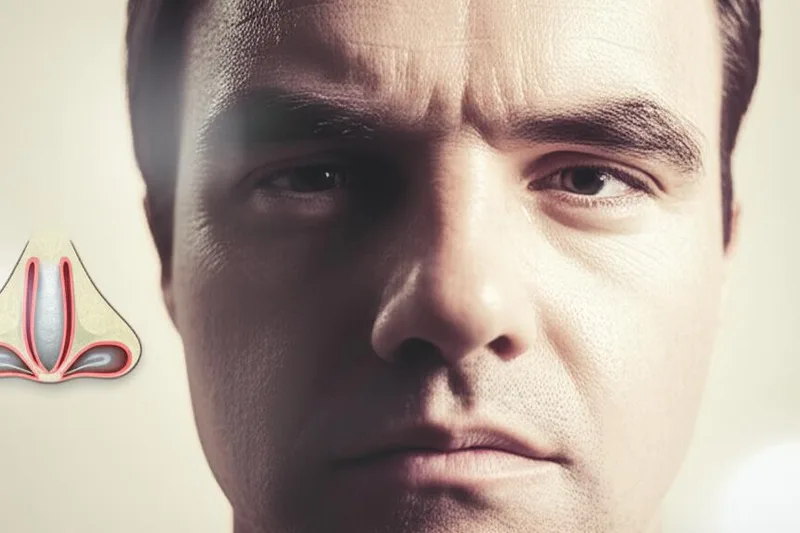
Do you often have a stuffy nose? Let's learn about Turbinectomy surgery

Do you often have a stuffy nose? Let's learn about Turbinectomy surgery

Do you also often feel like your nose is blocked? You can't breathe properly, and you don't sleep well because you snore at night? Sometimes the reason for this may be something we don't even think about. That is, the small parts inside your nose have become a little bigger, blocking the airway. Today we are talking about a surgery called 'Turbinectomy' that can be a good solution to this. Don't be scared when you hear this name, it is not as big or complicated as you think.

What are these turbinates?

Simply put, the turbinates are three bony structures located on either side of the nose, like shelves. They are covered with glandular tissue. This tissue contains a large number of nerves and blood vessels.

Imagine that our nose is like an air conditioner. Then these turbinates are the most important parts of it. And their main functions are:

  • Controlling the flow of air through the nose: These parts control the air that enters when we breathe.
  • Warming and humidifying the air: These turbinates provide the necessary warmth and moisture to the dry, cold air coming from outside before it enters our lungs.
  • Mucus transport: These help produce and move mucus, which helps keep the inside of the nose moist and clean.

However, sometimes due to allergies, infections like frequent colds, or trauma to the nose, these parts called turbinates become swollen and enlarged. What happens then? The airway becomes blocked. That's when we experience problems like nasal congestion and snoring.

So, what is this Turbinectomy surgery?

Turbinectomy is the surgical removal of either the entire or the swollen part of the turbinates that are enlarged and blocking the nose. This can help treat chronic nasal congestion, snoring, and some of the side effects of sleep apnea.

This is often done by an ear, nose, and throat specialist (ENT Surgeon).

Is this the same as Turbinoplasty?

No, that's a little different.

  • Turbinectomy: This involves removing a portion of the swollen tissue.
  • Turbinoplasty: Instead of removing tissue, this involves using a special instrument to reposition or reshape the turbinate. Sometimes, a small amount of tissue may also be removed.

Your doctor will decide which method is best for you.

Is this surgery painful? How is it done?

Many people are afraid of surgery. But there is nothing to be afraid of in this case. This surgery is done through your nostrils. Therefore, there are no cuts, wounds, bruises, or bruising on your face.

Before the surgery, the doctor will either give you general anesthesia or numb the area around your nose (local anesthesia). So you won't feel any pain during the surgery. The entire surgery takes a very short time, about 15 to 30 minutes . After the surgery, a special packing will be placed inside your nose to stop the bleeding.

Doctors use two main methods to perform this surgery:

1. Trimming: This involves cutting away the swollen lower part of the turbinate. Sometimes, if the swelling is very severe, a portion of the bone is removed along with it, and the remaining tissue is used to cover the wound.

2. Diathermy: This is a very interesting procedure. It involves inserting a small needle-like device into the turbinate tissue and sending a controlled electrical current through it. This causes the tissue to shrink and reduce swelling.

How long does it take to heal and possible complications?

In terms of recovery time, you can usually go home the same day of surgery. However, if a non-dissolvable packing was placed in your nose, you will need to stay in the hospital overnight as the doctor will need to remove it the next day.

As with any minor surgery, there are some very rare complications that can occur. It is important to be aware of these.

Possible Complication Simple explanation
Discomfort and pain It may last for a few days after surgery and can be controlled with painkillers prescribed by the doctor.
Bleeding (hemorrhage) It is normal to have some light bleeding or blood mixed with the discharge during the first 24 hours.
Wound infection The risk is higher if you develop something like a cold during the recovery period.
Nasal discharge There may be a runny nose during the first week.
Atrophic rhinitis (Very rare) A condition in which the nose becomes excessively dry and painful crusts form.
Tear duct damage (Very rare) There is a risk of damage to the tear duct during surgery.

What do you need to know when recovering at home?

  • Keeping a pad: After surgery, you can keep a gauze pad (drip pad) under your nose to absorb any blood and mucus that comes out of your nose. Change it as it gets wet or at least once an hour.
  • Swelling: It's completely normal to experience some swelling around your nose, upper lip, cheeks, or eyes. This swelling will go down in a few days.
  • Numbness: You may experience tingling sensations in the tip of your nose, upper lip, or gums. This will go away completely in a few weeks or months. It is nothing to worry about.
  • Loss of smell: Your sense of smell may be slightly reduced during the first month, but this will gradually return to normal.
  • Be careful: Be careful not to catch a cold while you're recovering. Therefore, it's wise to avoid going to work and taking crowded buses and trains for at least two weeks.
  • Exercise: Be sure to ask your doctor for advice about exercising.
  • Full recovery: All things considered, it will take about a month or two for you to feel completely recovered . After that, you can breathe freely and deeply.

The most important thing is to definitely go to the doctor's appointment times. Then he can see if the wounds are healing well and if there are any other problems.

Take-Home Message

  • Turbinectomy is a relatively simple, common surgery performed as a treatment for frequent nasal congestion and snoring.
  • Since this is done through the nostrils, there is no scarring on the face. The healing time is quick.
  • Follow your doctor's instructions carefully after surgery, especially avoiding crowded places and returning to see your doctor on scheduled dates.
  • If you experience excessive bleeding, high fever, or unbearable pain after going home, call your doctor immediately or go to the nearest hospital's Emergency Department (ETU).

Turbinectomy, Nasal congestion, Snoring, Nasal surgery, Turbinates, Sleep Apnea

Frequently Asked Questions (FAQ)

Is this the same as Turbinoplasty?

No, that's a little different.

⚠️ Important: The medical articles and information on Nirogi Lanka are for general awareness only, and are by no means a substitute for professional medical advice, diagnosis, or treatment. For any medical problem you have, consult a qualified physician immediately.

💬 Comments (0)

No comments yet. Be the first to share your thoughts here.

Add Your Comment

Please calculate: 2 + 3 =
Do you often have a stuffy nose? Let's learn about Turbinectomy surgery
SurgeriesJuly 6, 2026

Do you often have a stuffy nose? Let's learn about Turbinectomy surgery

Do you also often feel like your nose is blocked? You can't breathe properly, and you don't sleep well because you snore at night? Sometimes the reason for this may be something we don't even think about. That is, the small parts inside your nose have become a little bigger, blocking the airway. Today we are talking about a surgery called 'Turbinectomy' that can be a good solution to this. Don't be scared when you hear this name, it is not as big or complicated as you think.

What are these turbinates?

Simply put, the turbinates are three bony structures located on either side of the nose, like shelves. They are covered with glandular tissue. This tissue contains a large number of nerves and blood vessels.

Imagine that our nose is like an air conditioner. Then these turbinates are the most important parts of it. And their main functions are:

  • Controlling the flow of air through the nose: These parts control the air that enters when we breathe.
  • Warming and humidifying the air: These turbinates provide the necessary warmth and moisture to the dry, cold air coming from outside before it enters our lungs.
  • Mucus transport: These help produce and move mucus, which helps keep the inside of the nose moist and clean.

However, sometimes due to allergies, infections like frequent colds, or trauma to the nose, these parts called turbinates become swollen and enlarged. What happens then? The airway becomes blocked. That's when we experience problems like nasal congestion and snoring.

So, what is this Turbinectomy surgery?

Turbinectomy is the surgical removal of either the entire or the swollen part of the turbinates that are enlarged and blocking the nose. This can help treat chronic nasal congestion, snoring, and some of the side effects of sleep apnea.

This is often done by an ear, nose, and throat specialist (ENT Surgeon).

Is this the same as Turbinoplasty?

No, that's a little different.

  • Turbinectomy: This involves removing a portion of the swollen tissue.
  • Turbinoplasty: Instead of removing tissue, this involves using a special instrument to reposition or reshape the turbinate. Sometimes, a small amount of tissue may also be removed.

Your doctor will decide which method is best for you.

Is this surgery painful? How is it done?

Many people are afraid of surgery. But there is nothing to be afraid of in this case. This surgery is done through your nostrils. Therefore, there are no cuts, wounds, bruises, or bruising on your face.

Before the surgery, the doctor will either give you general anesthesia or numb the area around your nose (local anesthesia). So you won't feel any pain during the surgery. The entire surgery takes a very short time, about 15 to 30 minutes . After the surgery, a special packing will be placed inside your nose to stop the bleeding.

Doctors use two main methods to perform this surgery:

1. Trimming: This involves cutting away the swollen lower part of the turbinate. Sometimes, if the swelling is very severe, a portion of the bone is removed along with it, and the remaining tissue is used to cover the wound.

2. Diathermy: This is a very interesting procedure. It involves inserting a small needle-like device into the turbinate tissue and sending a controlled electrical current through it. This causes the tissue to shrink and reduce swelling.

How long does it take to heal and possible complications?

In terms of recovery time, you can usually go home the same day of surgery. However, if a non-dissolvable packing was placed in your nose, you will need to stay in the hospital overnight as the doctor will need to remove it the next day.

As with any minor surgery, there are some very rare complications that can occur. It is important to be aware of these.

Possible Complication Simple explanation
Discomfort and pain It may last for a few days after surgery and can be controlled with painkillers prescribed by the doctor.
Bleeding (hemorrhage) It is normal to have some light bleeding or blood mixed with the discharge during the first 24 hours.
Wound infection The risk is higher if you develop something like a cold during the recovery period.
Nasal discharge There may be a runny nose during the first week.
Atrophic rhinitis (Very rare) A condition in which the nose becomes excessively dry and painful crusts form.
Tear duct damage (Very rare) There is a risk of damage to the tear duct during surgery.

What do you need to know when recovering at home?

  • Keeping a pad: After surgery, you can keep a gauze pad (drip pad) under your nose to absorb any blood and mucus that comes out of your nose. Change it as it gets wet or at least once an hour.
  • Swelling: It's completely normal to experience some swelling around your nose, upper lip, cheeks, or eyes. This swelling will go down in a few days.
  • Numbness: You may experience tingling sensations in the tip of your nose, upper lip, or gums. This will go away completely in a few weeks or months. It is nothing to worry about.
  • Loss of smell: Your sense of smell may be slightly reduced during the first month, but this will gradually return to normal.
  • Be careful: Be careful not to catch a cold while you're recovering. Therefore, it's wise to avoid going to work and taking crowded buses and trains for at least two weeks.
  • Exercise: Be sure to ask your doctor for advice about exercising.
  • Full recovery: All things considered, it will take about a month or two for you to feel completely recovered . After that, you can breathe freely and deeply.

The most important thing is to definitely go to the doctor's appointment times. Then he can see if the wounds are healing well and if there are any other problems.

Take-Home Message

  • Turbinectomy is a relatively simple, common surgery performed as a treatment for frequent nasal congestion and snoring.
  • Since this is done through the nostrils, there is no scarring on the face. The healing time is quick.
  • Follow your doctor's instructions carefully after surgery, especially avoiding crowded places and returning to see your doctor on scheduled dates.
  • If you experience excessive bleeding, high fever, or unbearable pain after going home, call your doctor immediately or go to the nearest hospital's Emergency Department (ETU).

Turbinectomy, Nasal congestion, Snoring, Nasal surgery, Turbinates, Sleep Apnea

Frequently Asked Questions (FAQ)

Is this the same as Turbinoplasty?

No, that's a little different.

⚠️ Important: The medical articles and information on Nirogi Lanka are for general awareness only, and are by no means a substitute for professional medical advice, diagnosis, or treatment. For any medical problem you have, consult a qualified physician immediately.

💬 Comments (0)

No comments yet. Be the first to share your thoughts here.

Add Your Comment

Please calculate: 2 + 3 =