

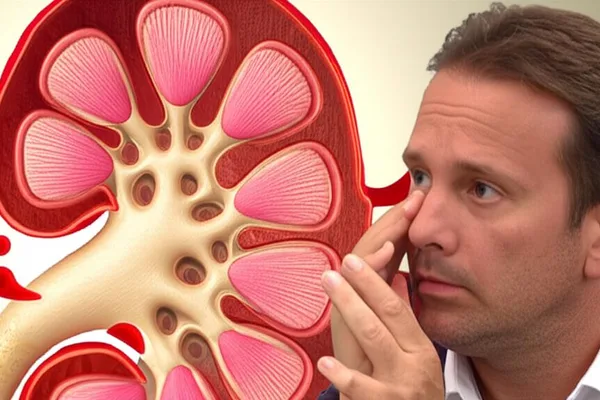
The two kidneys in our body are like two great filters. The main function of the kidneys is to filter out waste products and excess fluids from the water we drink and the food we eat, and excrete them as urine. However, what happens if this valuable filter system is damaged for some reason? That is when a condition called Glomerulonephritis can occur. Since this is a bit of a serious story, let's talk about it simply and slowly.
What is glomerulonephritis simply?
Simply put, Glomerulonephritis is a condition caused by damage to the tiny filtering units in the kidneys, called the glomeruli. These glomeruli are what filter and clean our blood. When these are damaged, the kidneys are unable to filter blood properly.
Imagine what would happen if your home water filter broke. Just as dirty water comes out, when the filters in your kidneys break, waste products and unwanted fluids start to accumulate inside your body.
If this condition is not treated properly, over time, the kidneys may become completely dysfunctional (Kidney Failure). If this happens, you will have to resort to dialysis treatment, which cleans the blood with the help of a machine. The last solution may be a kidney transplant .
Nephritis and Nephrotic Syndrome are two other names used for this condition.
Acute Glomerulonephritis: A sudden problem
This is a sudden, sudden condition. It is often caused by a bacterial infection, such as strep throat. As our body's immune system fights this infection, it can damage the filters in the kidneys as a side effect.
In addition, it can also be caused by other medical conditions such as lupus, Wegener's disease, and Goodpasture's syndrome.
Watch out for these symptoms:
- When you wake up in the morning, your face feels puffy and swollen: You may notice swelling, especially around the eyes.
- Less urine output than normal.
- Blood in the urine: The color of the urine may be red, brown, or tea-colored.
- Difficulty breathing: This condition can occur due to excess fluid in the body accumulating in the lungs.
- High blood pressure.
If you have one or more of these symptoms, it is very important to see a doctor immediately . If treatment is started early, damage to the kidneys can be minimized.
Chronic Glomerulonephritis: A condition that develops insidiously over time
This is the most dangerous type. Because the condition develops slowly over years without any symptoms. By the time the problem is recognized, significant damage to the kidneys may have occurred.
It can be a little difficult to recognize the early symptoms of this condition, but be aware of these things:
| Symptom | Description |
|---|---|
| Blood in the urine | It may be so small that it is invisible to the eye. The only way to know for sure is to have a urine test. |
| High blood pressure | If the pressure is high for no other reason, you also have to think about your kidneys. |
| Ankle and facial swelling | Fluid retention in the body can cause swelling in the legs, ankles, and face. |
| Foamy urine | Due to the release of protein in the urine, the urine can take on a bubbly, foamy appearance. |
| Frequent urination at night | It may be a sign of decreased kidney function. |
| Vomiting and nausea | These symptoms may occur due to the accumulation of toxins in the body. |
There are several reasons for this condition. Sometimes it is genetic . This condition is especially common in young boys, who may also have vision and hearing problems. Sometimes it can be caused by problems with the body's immune system. But most of the time, it is difficult to find a specific cause.
How to accurately identify this disease?
If you have symptoms that suggest you have kidney damage, the best thing to do is see a doctor and get a full checkup .
Your doctor will ask you about your symptoms and perform a physical exam. They may then order tests such as these to confirm the diagnosis:
- Blood Tests: Check kidney function and waste levels in the body.
- Urine Tests: Check for blood or protein in the urine.
- Kidney Biopsy: This is the best way to diagnose the disease definitively. Here, a very small piece of tissue is taken from the kidney using a small needle and examined under a microscope. This can help determine the exact extent of damage to the kidney. There is no need to be afraid of this test, your doctor will explain it to you thoroughly.
How is it treated?
Treatment methods depend on whether you have acute or chronic pain and the cause of the disease.
Treatment of acute conditions:
Controlling blood pressure is a challenge when the kidneys are not working properly. Therefore, the doctor will prescribe medication to control blood pressure . Also, if the cause of the disease is a problem with the immune system, medications such as corticosteroids may be given to reduce swelling and inflammation in the kidneys.
Treatment and management of chronic conditions:
In this situation, the main focus is on making changes in lifestyle and eating habits.
- Diet: The kidneys are responsible for filtering out substances like potassium, salt, and protein from the food we eat. When the kidneys are weak, these can accumulate in the body. Therefore, the doctor will advise you to follow a diet that contains less of these.
- Calcium supplements: You may be advised to take calcium pills.
- Other medications: Medications are given to control blood pressure and fluid levels in the body.
The most important thing is to follow your doctor's instructions exactly. Your doctor may also refer you to a dietitian who can help you create a meal plan that's right for you.
Take-Home Message
- Glomerulonephritis is a serious condition caused by damage to the filters in the kidneys.
- Watch out for symptoms such as facial swelling, blood in the urine, difficulty breathing, and high blood pressure.
- This disease can develop suddenly (Acute) or slowly over time (Chronic).
- Don't ignore any symptoms. See your doctor immediately.
- This disease can be managed with medication and diet as prescribed by a doctor.




💬 Comments (0)
No comments yet. Be the first to share your thoughts here.
Add Your Comment