
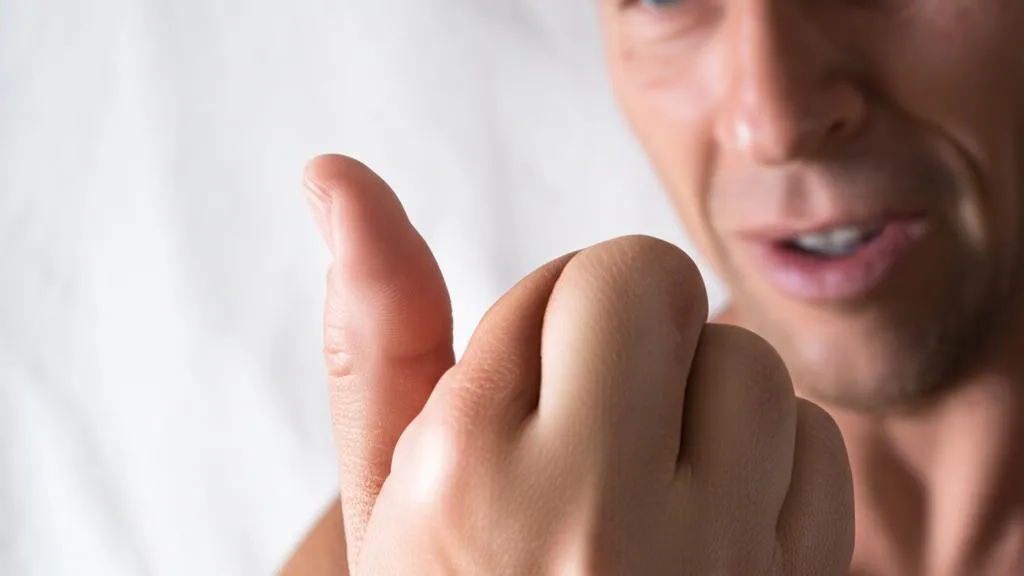
Imagine you are out for a weekend bike ride, playing a friendly game of volleyball, or simply rushing down the sidewalk and tripping. You put your hand out to break your fall. Suddenly, your thumb gets jammed backward or forced outward at an awkward angle. In that split second, you feel a sharp, stabbing pain near the base of your thumb. Over the next few hours, that area starts to swell, turn bruised, and ache whenever you try to hold a pen, open a jar, or grip your coffee cup.
If this sounds familiar, you might be dealing with a very common yet painful hand injury known as Skier's Thumb. While the name suggests it only happens on snowy ski slopes, this injury can happen to anyone during everyday sports, falls, or sudden accidents. Understanding what is happening inside your hand can help you take the right steps to heal properly and get back to your normal daily routine without lasting weakness.
Key Takeaways About Skier's Thumb
- What it is: A sprain or tear of the ulnar collateral ligament, which is a vital stabilizing band of tissue at the base of your thumb.
- Common causes: Falling on an outstretched hand, sports collisions, or sudden wrenching of the thumb away from the index finger.
- Main signs: Sharp pain at the thumb base, swelling, bruising, and a weak grip when pinching items.
- Treatment options: Ranging from simple protective splints and physical therapy for partial tears to surgical repair for complete ruptures.
Know your body mass index (BMI) and weight classification
What Is Skier's Thumb?
To understand what goes wrong during this injury, we need to look at how your thumb is built. Your thumb relies on several strong bands of soft tissue called ligaments to hold its bones firmly together. Think of a ligament as a thick, tough rubber band that connects bone to bone and keeps your joints stable when you move.
The specific ligament injured in a Skier's Thumb is called the ulnar collateral ligament (UCL). It sits on the inside of your thumb joint, closer to your index finger. This specific ligament gives your thumb the strength it needs to pinch, grip, and hold objects firmly. Without a stable UCL, everyday actions like turning a key, holding utensils, or typing on your phone become surprisingly difficult.
When an accident forces your thumb too far outward or backward, this ligament stretches beyond its normal limits. It can suffer a mild stretch, a partial tear, or a complete rupture. Sometimes, the ligament even pulls a tiny piece of bone away with it, which doctors call an avulsion fracture.
The condition earned the name "Skier's Thumb" because it often happens to people skiing downhill. When a skier falls while holding ski poles, the strap wraps around the thumb and forces it backward. However, you do not need to step foot on a snowy mountain to experience this injury. It happens in many everyday settings:
- Contact and Ball Sports: Sports like volleyball, netball, basketball, and rugby often involve sudden impacts where a fast-moving ball hits your extended thumb.
- Accidental Falls: Tripping while walking or running and instinctively reaching out to catch yourself can easily jam your thumb against the ground.
- Car Accidents: If you keep your thumb resting awkwardly inside the steering wheel rim during a sudden collision, the steering wheel can wrench your thumb violently.
- Everyday Mishaps: Any sudden movement that forces your thumb backward or outward away from your hand can cause this exact type of ligament damage.
Recognizing the Symptoms of Skier's Thumb
The signs of a damaged UCL usually appear within minutes to a few hours after the accident. Sometimes, the pain starts off mild and gradually worsens as swelling increases and inflammation sets in around the joint.
You should pay close attention to your body and look for these common warning signs:
- Localized Pain: You will likely feel a persistent ache or sharp pain right at the base of your thumb, specifically in the web space between your thumb and index finger. Moving the thumb usually makes this pain worse.
- Swelling and Bruising: The base of the thumb will often swell up quickly. Over the next day or two, you might notice bluish or purple bruising spreading across the skin around the joint.
- Weak Grip and Pinching Trouble: You will notice a sudden loss of strength when trying to pinch things. Simple tasks like holding a key in the lock, buttoning your shirt, or picking up a small object become frustratingly difficult.
- Tenderness to Touch: The injured area will feel very tender. Pressing gently on the inside of your thumb joint will cause a sharp flare-up of pain.
- -Referred Wrist Discomfort: In some cases, the strain on the thumb joint radiates upward, causing mild soreness or tension in your wrist.
When to See a Doctor
Hand injuries are easy to brush off as minor sprains that will heal on their own with a little rest. However, leaving a torn ligament untreated can lead to long-term chronic instability, persistent weakness, and early-onset arthritis in your thumb joint.
Emergency Red Flags: When to Seek Immediate Care
If you experience severe, unbearable pain, notice your thumb looking visibly crooked or deformed, see bone poking through the skin, or completely lose feeling and blood flow in your fingers, do not wait. Go to your nearest Emergency Department (ER) or A&E right away, or call 911 (US/Canada) or 999 (UK) for emergency assistance.
If your symptoms are not an immediate emergency, you should still schedule an appointment with your family doctor or an orthopedic specialist (a bone and joint doctor) as soon as possible. Getting an accurate diagnosis within the first few days of your injury makes a massive difference in how well your ligament heals.
What Tests Will the Doctor Perform?
When you visit your doctor for your thumb injury, they will start by asking you detailed questions about how the accident happened. Sharing clear information helps your doctor understand the severity of the force placed on your hand.
Be prepared to answer a few simple questions:
- At what exact time did the accident happen?
- How were your hand and thumb positioned when the impact occurred?
- Did the pain and swelling start right away, or did it develop slowly over hours?
- Did you feel or hear a popping sensation when your thumb bent backward?
After talking through the details, your doctor will perform a gentle physical examination of your hand.
The doctor will compare your injured thumb to your healthy, uninjured thumb. They will gently test the stability of the joint by moving your thumb in specific directions. This maneuver checks whether the ligament is loose or completely torn. They will also check the blood circulation and nerve function in your fingers.
To confirm their findings and check for broken bones, your doctor will order an X-ray. An X-ray is a painless imaging test that creates pictures of the bones inside your hand. It helps doctors see if the ligament pulled a tiny fragment of bone away when it tore, which changes how they approach your treatment.
Treatment Methods for Skier's Thumb
The treatment plan your doctor recommends depends entirely on how severely your ligament is damaged. Mild stretches require very different care compared to completely severed tissues.
Home First Aid Before You See a Doctor
While you wait for your medical appointment, you can take a few simple steps at home to manage your pain and keep the swelling under control:
- Apply Ice: Place an ice pack wrapped in a clean cloth over the injured thumb for 20 to 30 minutes at a time. Repeat this 3 to 4 times a day. Never put bare ice directly onto your skin, as it can cause ice burns.
- Rest Your Hand: Avoid using your thumb or trying to grip heavy items. You can use an over-the-counter wrist brace or thumb spica splint from your local pharmacy to keep the joint still and protected.
- Take Safe Pain Relievers: You can take over-the-counter pain medicines like paracetamol to ease discomfort. If you need to reduce inflammation, medicines like ibuprofen can help. However, never take anti-inflammatory drugs if you have stomach ulcers, kidney issues, or bleeding risks without checking with your doctor first.
Keep in mind that these home steps only offer temporary relief. Seeing a medical professional for an official evaluation is the most important step in your recovery.
Medical Treatments and Professional Care
Once your doctor reviews your physical exam and X-ray results, they will outline a specific recovery plan tailored to your injury:
- For Partial Tears: If your ligament is stretched or only partially torn, you usually will not need surgery. Your doctor will place your thumb in a rigid cast or a specialized stabilizing brace. You will wear this device for about 4 weeks to keep the joint completely still while the tissue heals naturally.
- For Complete Ruptures: If your ligament is completely torn or detached from the bone, your doctor will likely recommend surgery. During this procedure, an orthopedic surgeon re-attaches the torn ligament back to the bone using specialized medical anchors or stitches. After surgery, your thumb will be placed in a protective cast for several weeks.
Once your cast or rigid brace comes off, your recovery is not quite finished. Your doctor will send you to a trained physical therapist. Physical therapy involves specific, gentle hand exercises that help you regain your strength, flexibility, and normal movement without re-injuring the healing tissue.
How Can You Prevent Skier's Thumb?
While you cannot prevent every accidental fall or sudden mishap, you can take simple precautions to lower your risk of injuring your thumb.
When participating in sports, pay close attention to how you catch balls or handle equipment. If you feel yourself losing your balance and falling, try to tuck your arms in and roll with the fall rather than sticking your hands straight out to catch your full body weight.
If you enjoy skiing, make sure your ski poles do not have rigid straps that loop tightly around your thumbs. Modern ski poles often feature breakaway straps or grip designs that allow your hand to slide free safely if you tumble into the snow.
Even when driving your car, build the healthy habit of keeping your thumbs resting comfortably on the outside rim of the steering wheel rather than hooking them inside the center opening. If your vehicle experiences a sudden jolt or minor collision, this small change in hand placement prevents the steering wheel from violently yanking your thumb backward.
Comparison of Skier's Thumb Severity and Treatment
To help you understand how doctors categorize and treat this injury, review the comparison table below:
| Injury Grade | Tissue Damage / Typical Treatment / Estimated Recovery |
|---|---|
| Grade 1 (Mild Sprain) | Tissue Damage: Ligament stretched, but no tearing Typical Treatment: Rest, ice, and flexible splint Estimated Recovery: 2 to 4 weeks |
| Grade 2 (Moderate Tear) | Tissue Damage: Partial tear with some joint looseness Typical Treatment: Rigid cast or thumb brace for 4 weeks Estimated Recovery: 6 to 8 weeks |
| Grade 3 (Severe Rupture) | Tissue Damage: Complete tear or bone avulsion fracture Typical Treatment: Surgical repair followed by casting and therapy Estimated Recovery: 3 to 6 months |
💡 Take-Home Message
Skier's Thumb is an injury to an essential stabilizing ligament in your thumb joint. It happens most often during falls, sports accidents, or sudden backward bending movements. Main warning signs include localized pain at the thumb base, swelling, bruising, and difficulty pinching or gripping objects. If you notice these symptoms after an accident, make sure to see a doctor promptly. Treatment choices range from supportive casting for partial tears to surgical repair for complete ruptures. Following your doctor and physical therapist's guidance closely is the best way to achieve a full and successful recovery.
Sources & Medical References
- Cleveland Clinic. (2023). Skier's Thumb / Gamekeeper's Thumb: Causes and Treatment Overview.
- Mayo Clinic. (2022). Thumb Sprain and Ulnar Collateral Ligament Injury Care Guidelines.
- National Health Service (NHS UK). (2023). Hand and Thumb Injuries: Assessment and Rehabilitation.
- Centers for Disease Control and Prevention (CDC). Sports Injury Prevention and Safety Guidelines.
- National Institutes of Health (NIH) / PubMed. Biomechanics of Ulnar Collateral Ligament Tears of the Thumb.



No comments yet. Be the first to share your question or experience below.