
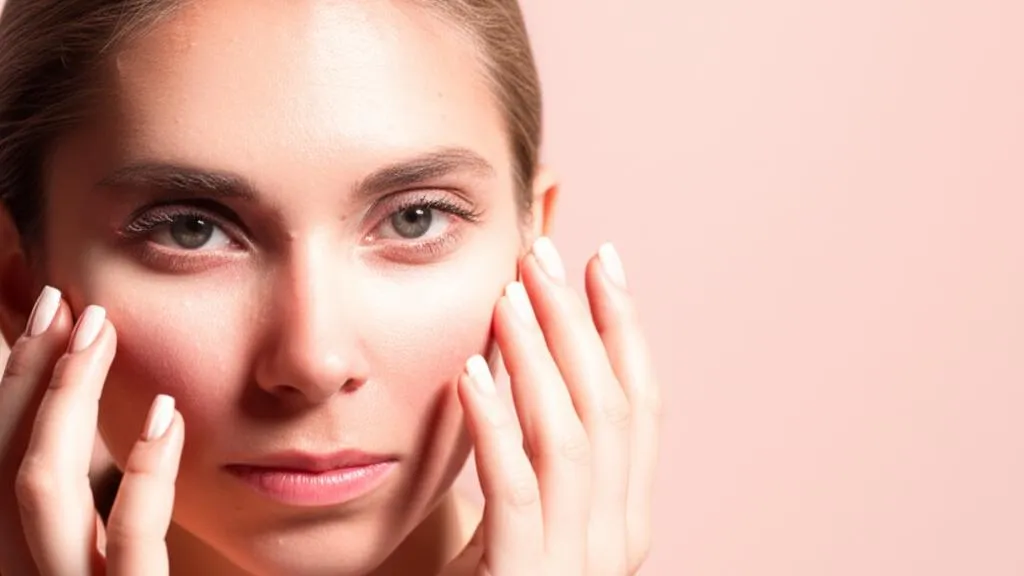
When the weather turns chilly and the air feels crisp and sharp, you might notice sudden changes in your skin. Overnight, your skin can feel tight, flaky, or rough to the touch. Sometimes, the dryness gets so severe that your skin begins to itch constantly or even crack and bleed. If you have ever wondered why this happens only during the colder months, you are certainly not alone. Cold weather brings unique challenges for your body's largest organ.
Fortunately, you do not have to suffer through the winter months with uncomfortable skin. By understanding the root causes of winter dryness and making a few simple adjustments to your daily routine, you can keep your skin soft, smooth, and healthy all season long. Let us explore why winter weather affects your skin so deeply and look at practical, expert-backed steps to protect it.
Key Takeaways for Winter Skin Care
- Cold winter air holds very little moisture, which pulls natural hydration directly out of your skin barrier.
- Long, hot showers feel wonderful on cold days, but they strip away your skin's vital protective oils.
- Switching from light lotions to thick creams or ointments containing ceramides helps lock in essential moisture.
- Applying your moisturizer right away after washing while your skin is still damp makes a huge difference.
- Protecting your hands with gloves and gentle cleansers prevents painful cracking and winter hand eczema.
Why Does Your Skin Get Dry in the Winter?
The main reason your skin feels so dry during cold months comes down to basic atmospheric science. Put simply, cold winter air contains very little humidity or water vapor. When the temperature drops outside, the air becomes crisp and exceptionally dry.
The problem does not stop when you step indoors. Inside our homes, offices, and schools, we rely on heaters, radiators, and central heating systems to stay warm. These heating units pump out dry air that further strips moisture from indoor environments. When you step into this heated indoor air, your environment acts like a thirsty sponge, pulling precious water right out of your skin surface.
In medical terms, doctors call this process transepidermal water loss. Your skin features a natural protective barrier made of skin cells and natural lipids that hold water inside. When dry winter air steals that water away faster than your body can replenish it, your skin barrier weakens. This breakdown leads directly to tightness, flaking, stubborn itching, and painful micro-cracks.
Think of a wet sponge left out on a sunny or windy day. As the moisture evaporates into the dry surrounding air, the sponge becomes stiff and brittle. Your skin reacts to winter air in the exact same way.
Is Hot Water Really Bad for Your Skin?
When freezing temperatures freeze you to the bone, nothing feels better than taking a long, steaming hot shower or bath. While a hot shower warms up your body quickly, it causes serious harm to your skin health. Excessive heat breaks down and washes away your skin's natural protective oil layer.
These natural oils act as your body's built-in moisturizing cream. When hot water melts them away, your skin loses its primary defense against dry winter air. Your skin barrier becomes fragile, letting moisture escape rapidly.
To protect your skin during cold weather, you should modify your bathing habits with these practical steps:
- Shorten your shower time: Limit your showers and baths to a quick five to ten minutes. Long soaks dry out skin further.
- Lower the water temperature: Choose lukewarm water instead of steaming hot water to protect your natural lipid barrier.
- Moisturize right away: Pat your skin gently with a towel until it is slightly damp, then apply your cream right away.
What Are the Best Skin Products for Winter?
During warm summer months, light body lotions and gels work well because the air has plenty of natural humidity. When winter arrives, those lightweight lotions are simply not strong enough to protect your skin barrier.
Instead, you should switch to thick, rich creams or even heavy ointments. Look for products that contain key ingredients designed to repair and reinforce your skin barrier. One of the best ingredients to look for on product labels is ceramides.
Ceramides are natural lipid molecules found abundantly in healthy skin. They fill the microscopic gaps between your skin cells, acting like mortar between bricks. By applying products with added ceramides, you help rebuild your damaged skin barrier and stop moisture from leaking out.
Another crucial step is changing how you wash your body. Traditional bar soaps often contain strong alkaline ingredients that strip away natural oils and leave your skin feeling tight and irritated. Replace harsh soaps with a gentle, non-soap cleanser. These mild cleansers clean your skin thoroughly without disturbing its delicate moisture balance.
Why Do My Hands Get So Much Drier?
Many people notice that their hands suffer much worse than the rest of their body during winter. This happens because the skin on your hands is thinner and has fewer oil glands than other areas. Also, you wash your hands often throughout the day.
Frequent handwashing combined with alcohol-based hand sanitizers strips away protective oils rapidly. This often leads to red, raw, irritated skin, and sometimes a painful condition known as hand eczema. To keep your hands soft and comfortable, make moisturizing an automatic habit every single time you wash them.
When shopping for a hand cream, look for products containing dimethicone. Dimethicone creates a protective, breathable shield over your skin, functioning much like an invisible pair of gloves that prevents moisture loss.
Pro Tip for Ultra-Soft Hands:
Before going to bed at night, apply a generous layer of thick ointment or petroleum jelly to your hands. Slip on a pair of clean cotton gloves before you sleep. When you wake up in the morning, your hands will feel remarkably soft and repaired.
How Does Winter Affect People With Psoriasis?
Psoriasis is a chronic inflammatory skin condition that causes skin cells to multiply much faster than normal, leading to thick, red, scaly patches. For many people with psoriasis, natural sunlight provides significant relief because ultraviolet radiation helps calm inflammation.
During the winter season, shorter days and cold weather mean you spend much less time exposed to natural sunlight. Combined with the harsh drying effects of indoor heating, winter often triggers uncomfortable psoriasis flare-ups. If you manage psoriasis, it is vital to keep your skin deeply moisturized and consult your doctor to adjust your winter management plan safely.
More Tips to Protect Your Skin From Dryness
Expert organizations like the American Academy of Dermatology recommend several additional lifestyle changes to shield your skin from harsh winter weather. Review these practical strategies below:
| Winter Skin Tip | Practical Action to Take |
|---|---|
| Choose Lip Balms Wisely | Use soothing, fragrance-free lip balms. If a balm causes stinging, burning, or tingling, stop using it right away and choose a gentler formula. |
| Add Humidity to Indoor Air | Place a cool-mist humidifier in your bedroom or living space. Avoid sitting directly next to open fireplaces or powerful space heaters. |
| Wear Protective Gloves | Always wear insulated gloves when stepping out into cold winds. Wear waterproof gloves when washing dishes or handling harsh cleaning chemicals. |
| Select Soft Clothing Fabrics | Avoid letting rough wool fabrics touch your bare skin directly. Wear a soft cotton or silk layer underneath, and use hypoallergenic laundry detergents. |
If you follow these daily protective steps consistently and still experience persistent dryness, severe itching, or deep cracking, do not hesitate to seek professional help. Schedule an appointment with a board-certified dermatologist. Sometimes, severe winter skin issues signal an underlying medical condition that requires prescription-strength care.
🚨 When to Call Your Doctor or Seek Emergency Care
Most winter skin dryness improves with proper moisturizers and gentle care. However, contact your doctor or visit an urgent care clinic right away if you notice any of the following warning signs:
- Deep cracks in your skin that bleed profusely or refuse to heal.
- Signs of a skin infection, such as pus, severe swelling, throbbing pain, or red streaks spreading outward.
- Intense, relentless itching that disrupts your sleep and does not respond to over-the-counter creams.
- Large areas of open sores or severe blistering.
- If you experience a medical emergency in the US or Canada, call 911. In the UK, call 999, or go directly to your nearest Emergency Department (ER / A&E).
💡 Take-Home Message
- Avoid long, steaming hot baths and showers during cold weather. Opt for quick lukewarm showers instead.
- Apply a rich cream or ointment right away after bathing while your skin retains light moisture.
- Replace harsh bar soaps with gentle, non-soap cleansers to preserve your natural skin barrier.
- Choose products containing ceramides to help repair and strengthen dry, irritated winter skin.
- Protect your hands with frequent moisturizing and cotton gloves at night to prevent painful cracking.
- Consult a dermatologist if your skin symptoms do not improve with home care or show signs of infection.
Sources & Medical References
- American Academy of Dermatology (AAD). Dry Skin Relief: Expert Dermatologist Tips for Winter Care.
- Mayo Clinic. Dry Skin: Causes, Symptoms, and Treatment Options.
- National Health Service (NHS UK). Dry Skin Care and Eczema Prevention Guidelines.
- Centers for Disease Control and Prevention (CDC). Healthy Winter Living and Skin Protection.
- National Institutes of Health (NIH / PubMed). Skin Barrier Function and Environmental Moisture Loss in Cold Climates.






No comments yet. Be the first to share your question or experience below.