Have you ever wondered what little things inside our bodies, especially inside our blood vessels, work for our health? Well, today we're going to talk about something that's so important, but perhaps we don't talk about much. That's
the endothelium . Although the name sounds a bit scientific, it's actually quite simple. Let's talk about it in detail, and you'll understand how valuable it is.
What is endothelium? Let's understand it simply.
Simply put, your
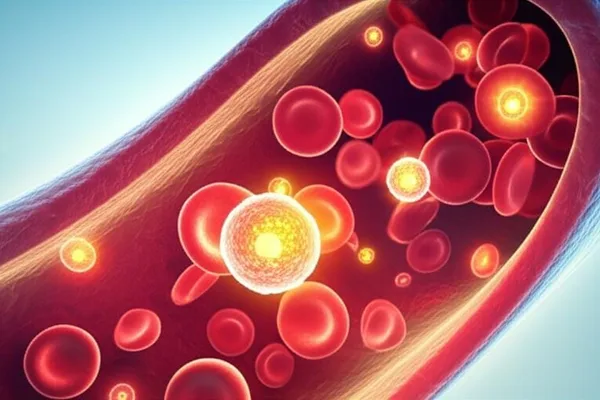
endothelium is a very thin layer of cells that lines the inside of
all your blood vessels and lymphatic vessels . It's like a little membrane lining the inside of a water pipe. We call these cells
endothelial cells . Where are they located?
Imagine, the endothelium is what connects your blood to the rest of your body, allowing information and nutrients to flow between them. Therefore, the endothelium is essential
to every organ and tissue in your body. The endothelium is not just a covering. It is like a busy worker. It does a great job of keeping your blood flowing well and maintaining a stable state. That is why scientists consider the endothelium to be
an endocrine organ . In fact, you would be surprised to know that this is
one of the largest organs in your body! If something happens to these small endothelial cells, it can have a big impact on the body. Because these cells do a great job of keeping us healthy and strong. Therefore, it is very important to know about this endothelium and its work. Then we can try our best to prevent this from happening.
Are there types of endothelium?
Yes, there are two main types that we're talking about. Both are made up of endothelial cells, but there are slight differences depending on where they are located.
- Vascular endothelium: This is the lining inside your blood vessels. Simply put, the endothelium is what helps blood flow.
- Lymphatic endothelium:This is in your lymphatic system. Lymphatic vessels are like a network of small tubes. They remove excess fluid (which we call lymph) that accumulates in the tissues. So, the endothelium of these lymphatic vessels helps with lymph movement.
Both of these are very important for your
cardiovascular health .
What kind of big job does this little endothelium do?
Endothelial cells work differently depending on where they are located in the body. Let's look at the main functions of the blood vessel endothelium.
Narrowing (Vasoconstriction) and widening (Vasodilation) of blood vessels
When you have healthy endothelial cells, they help keep your blood vessels
wide (open) so that blood can flow through them without any obstruction. They also respond to stimuli from inside and outside. For example, the pressure of blood on the walls of your blood vessels, changes in your stress level, and the medications you take can all affect this. They also respond to changes in temperature. Think about it,
in cold weather , the blood vessels in your limbs constrict. This allows more blood to flow to your vital organs, to keep them warm.
In hot weather , they dilate, allowing blood to circulate better and to cool your body.
When you exercise , the blood vessels in your muscles dilate, providing them with the blood and oxygen they need. So, no matter what you do, the endothelium helps to ensure that every organ and tissue in your body gets the right amount of blood.
Controls the movement of fluids from the blood into the tissues
When healthy, the endothelium is somewhat
permeable . That is, it allows fluids to pass through its cells into the tissues. However, it also acts as a good
barrier . It prevents unwanted substances such as toxins from entering the blood. However, in some disease states, such as
infection /sepsis , the endothelium becomes a little more permeable. This allows cells that fight infection to enter the tissues and help them heal.
Prevents unnecessary blood clotting (Prevents Thrombosis )
Thrombosis is a condition in which blood clots form and block blood flow, which can lead to serious complications. Your endothelium produces chemicals called
nitric oxide and
prostacyclin . These keep your blood thin and prevent it from clotting. In some disease states, these substances are not produced properly. This increases the risk of blood clots.
Where in our body is this endothelium located? How big is it?
Your endothelium is spread throughout your entire body! Imagine, your blood vessel endothelium alone
The blood vessels are about 60,000 miles long . If you ask someone to show you where your heart is, they'll point to your chest. If you ask someone to show you where your brain is, they'll point to your head. But if you ask someone to show you the endothelium, they'll point to any part of your body! That's what makes the endothelium so special. Endothelial cells line the inside of your blood vessels. They're the cells that come into direct contact with your blood. They're attached
to a basal lamina . The endothelium and this basal lamina together make up the innermost layer of the blood vessel wall,
the tunica intima . This tunica intima is what allows blood to flow smoothly. How big is the endothelium? It's
one of the largest organs in your body. In terms of surface area, the average person's body is covered by it, covering
between 3,000 and 6,000 square meters . And, it contains more than
1 trillion endothelial cells ! These are made up of
epithelial tissue . How small are endothelial cells? These cells can only be seen
with a microscope . Their average size is:
- About 30 to 50 micrometers (microns) in length.
- About 10 to 30 micrometers wide.
- About 0.1 to 10 micrometers thick.
To think about the size of this cell, think of your own hair. A single hair is about 100 micrometers in diameter. So, even at its maximum length (50 micrometers), an endothelial cell is only half the diameter of a hair! That's why we can have more than a trillion of these specialized cells in our bodies.
What is the difference between Endothelium and Epithelium?
Both of these are covering tissues, but there is a slight difference.
- Endothelium is found in channels that are completely internal to the body and have no connection to the outside environment. For example, blood vessels and lymphatic vessels.
- Epithelium is found in the pathways that connect with the outside environment. For example, your digestive system and respiratory system .
Both are specialized for their functions. The epithelium is usually
more protective , acting as a barrier to the outside world. The endothelium is specialized to supply the body with blood and other substances.
What if the endothelium is damaged? That's a condition called endothelial dysfunction!
Endothelial dysfunction is when your endothelium is unable to do its normal job properly. This happens when something damages your endothelial cells. This damage can be caused by a variety of medical conditions and lifestyle habits.
What could be causing this?
- Infections like COVID-19 .
- Increased blood sugar levels (Hyperglycemia) .
- High blood pressure (Hypertension) .
- Increased cholesterol levels in the blood (Hyperlipidemia) .
- Lack of physical activity.
- Smoking and tobacco use.
- Severe infections like sepsis .
The worst thing that happens when the endothelium is damaged is atherosclerosis.
Atherosclerosis is the gradual buildup
of plaque inside your arteries over time. Scientists know that
the first stage of atherosclerosis is damage to the endothelium. This is usually caused by high levels
of LDL (bad cholesterol) in the blood, smoking, or long-term high blood pressure. When your endothelium is damaged, your body's immune system kicks in. It sends a type of white blood cell called
monocytes to the damaged artery wall. These monocytes gather there and cause
inflammation inside the artery. Then, a series of cellular changes occur, eventually leading to the formation of something called a "fatty streak." That's where plaque begins to form. Over time, this plaque grows and narrows your artery. This reduces blood flow. Not only that, but this plaque also increases the risk of blood clots. That's why people with damaged endothelium are at higher risk of developing these diseases.
Then what other diseases can occur due to this damage?
- Coronary Artery Disease
- Heart Attack
- Myocardial Ischemia (reduced blood supply to the heart muscle)
- Peripheral Artery Disease
- Stroke- like conditions
- Thrombosis ( blood clot)
Endothelial damage may also increase the risk of:
- Cancer
- Infectious diseases
- Insulin Resistance
- Kidney Disease
So how do we keep this precious endothelium healthy?
You can help keep endothelial cells healthy by reducing the amount of
free radicals in your body. Free radicals are unstable atoms. They damage healthy atoms in the body.
AntioxidantsAntioxidants are substances that protect your body (especially the endothelium) from free radicals. So, it's very important to eat foods rich in antioxidants. Foods like these are rich in antioxidants:
- Brown rice (bran rice)
- Citrus fruits like lemons and oranges and their juices
- Dark green vegetables (like spinach, kale)
- Oatmeal
- Red and yellow bell peppers (fish chili)
- Sweet potato
- Tomatoes and tomato juice
- Whole grains
You can ask your doctor what you can do to add more antioxidants to your diet. Your doctor may refer you to a dietitian. They can help you make small changes that are easy to start. For example, they may recommend following
a Mediterranean diet, which is known to help your heart and blood vessels stay healthy.
What are the things that increase free radicals? How can we protect ourselves from them?
Some medical conditions, lifestyle habits, and toxins can increase the amount of free radicals in your body. Here are some things to watch out for:
- Air pollution.
- Some medications, pesticides, and factory cleaners.
- Eating too much sugar.
- Not getting enough sleep.
- Obesity .
- Smoke from tobacco products.
Talk to your doctor about how to fight these free radicals and protect your body from their harmful effects. It's also important to get
annual check-ups and take your prescribed medications on time. Talk to your doctor about an exercise program that's right for you to stay healthy. These things help your heart and circulatory system function properly. And they help keep your endothelium healthy.
Remember, everyone has risk factors that can damage the endothelium at some point in their lives. However, you can minimize these risks by adopting a healthy lifestyle and managing your medical conditions.
Finally, the most important things to remember (Take-Home Message)
So, you can see now that
the endothelium that we talked about today is a very amazing and very important part of our body. It's like someone sitting inside our blood vessels, silently serving the health of our entire body.
- The endothelium is a layer of cells that lines the inside of blood vessels and lymph vessels.
- This performs many important functions, such as controlling blood flow, preventing blood clotting, and helping tissues exchange substances.
- If the endothelium is damaged (endothelial dysfunction), serious diseases such as heart disease and stroke can develop.
- We can protect this precious endothelium by following a good diet, exercising, avoiding smoking, and adopting other healthy habits.
Talk to your doctor about the health of your endothelium, and through it, the health of your entire body. It will be a great help to your healthy life!





💬 Comments (0)
No comments have been posted yet. Add your comment here for the first time.
Add your comment