

Have you ever heard of androgens? Maybe yes, maybe not. But they are a group of hormones that are present in all of our bodies and are very important for our sexual development and health. These androgens are like little servants working behind the scenes in our bodies. Today, we will talk about them in a simple way that you can understand.
Simply put, androgens are a type of sex hormone. They are what make us mature, and they also help with the health of our reproductive system and the growth of our bodies. You might think that only men have them. But in fact, all of us, whether male or female, have androgens in our bodies. However, they are naturally produced in higher amounts in men. Testosterone, which many of us have heard of, is also a major androgen.
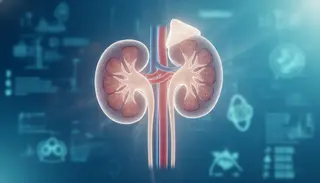
Now you may be wondering where these hormones come from. Androgens are mainly produced by the testicles in the male reproductive system and the ovaries in the female reproductive system. In addition, these hormones are also produced by the adrenal glands located above our kidneys. Androgens are not just there. They perform a great service in maintaining our sexual development and overall health. Their levels can change throughout the day. Also, these hormone levels change at various stages in our lives, such as during puberty and menopause.
What types of androgens are there?
As we mentioned earlier, testosterone is the main androgen we all have. Many other androgens help make other hormones. For example, the following androgens help make testosterone and estrogen:
- Androstenedione
- Dehydroepiandrosterone (DHEA)
- DHEA sulfate (DHEA sulfate - DHEAS)
Another androgen is dihydrotestosterone (DHT) . As you get older, your body converts about 10% of your testosterone into DHT each day. In addition, there are many other forms of androgen and a number of chemicals related to androgen. The way our bodies use these hormones is very complex, like a big machine.
What service do androgens provide to our bodies?
Androgens in all of us, regardless of gender, help with these things:
- Bone density: These are essential to keep our bones strong.
- Muscle development: These are also needed for muscle growth.
- Puberty: These are the basic changes that occur from childhood to adulthood.
- Red blood cell production (Erythropoiesis): It also contributes to the production of red blood cells in our body.
- Sexual desire and function: These affect the development of sexual feelings and sexual activity.
What specifically happens to men with androgens?
Androgens in the male body contribute to:
- Deep voice (vocal cord lengthening): The soft voice you had when you were a child changes, and a masculine voice emerges because of this. Imagine, your friend's son suddenly changes his voice, and you think, "Brother, he's a big boy now," right? The reason for that is androgens.
- Getting taller: These hormones also affect height.
- Hair growth on the face, scalp, chest, armpits, and genital areas: Things like beard growth and chest hair growth.
- Sperm development: These are essential for producing sperm needed to make a child.
These physical characteristics mostly start during puberty. But testosterone has different functions at different stages of life. As you become an adult, your testosterone levels naturally decrease as you age.
How do androgens affect women?
In women, other body chemicals convert the androgen testosterone into estradiol, a form of the hormone estrogen . This estradiol:
- The development of secondary sexual characteristics during puberty: for example, breast development and widening of the hips.
- Regulates menstruation: Helps maintain the monthly menstrual cycle.
- Aids conception and pregnancy: These are important for conceiving a child and successfully carrying a pregnancy.
- Minimizes bone loss - Osteoporosis: Helps reduce the risk of osteoporosis , which is a condition that occurs when bones break down, especially as we age.
The levels of estradiol in your body change at different stages in your life. After menopause, which is when your monthly periods stop, your body doesn't produce as much estradiol.
What are the problems men have with androgens?
Men are most commonly affected by a condition called male hypogonadism, which is a decrease in androgen levels, or testosterone levels. This can lead to decreased sexual desire and erectile dysfunction.Symptoms such as: If you have something like this, it is very important to talk to a doctor without keeping it to yourself and worrying.
For some people, androgens can cause prostate cancer to develop. In such cases, you may need to take medication to reduce the body's natural production of androgens. Doctors call this treatment Androgen Deprivation Therapy (ADT) .
Androgens – especially DHT (Dihydrotestosterone) – are also linked to male-pattern baldness , a condition called androgenic alopecia . These hormones also contribute to the baldness that many people call 'waxiness'.
What problems do women have with androgens?
Women are mainly affected by problems with increased androgen levels (hyperandrogenism) . The main cause of this is a condition called Polycystic Ovary Syndrome (PCOS) . This PCOS is something that is seen among many women these days. Did you know that PCOS can sometimes cause delayed conception? Rarely, androgen levels can also be increased due to tumors in the adrenal glands or ovaries.
People with PCOS, or those with high levels of androgens, may experience symptoms like:
- Acne: Pimples appear on the face, chest, and back. Sometimes these pimples can be very annoying.
- Amenorrhea or irregular menstruation: Menstruation that does not occur at the right time, or is delayed for months.
- Excessive hair growth (hirsutism): Unwanted hair growth on the chin, chest, and stomach, such as a mustache. This can also affect many women psychologically.
- High blood pressure and high cholesterol.
- Difficulty having children (Infertility).
- Obesity: Being overweight.
Androgens – especially DHT (Dihydrotestosterone) – can also affect female pattern baldness . Some women also experience patchy hair loss and a bald scalp, right? This hormone has an effect on that too.
What problems can arise due to androgen levels in young children?
Problems with androgen levels in children can lead to delayed puberty or precocious puberty.Yes, it is possible. There can be several reasons for each of these. For example, some children show signs of puberty much earlier than others. And some children do not reach puberty even after reaching puberty. Both of these are conditions that require medical attention.
Androgen levels are also linked to conditions called disorders of sexual development . This refers to a group of about 60 different conditions in which a person has both male and female characteristics. These are somewhat complex conditions, so they require special attention from doctors.
How do doctors measure androgen levels?
To check if a woman has high androgen levels, doctors usually use a test called the Free Androgen Index (FAI) . The FAI is measured by taking a blood sample and measuring the following:
- Total testosterone
- Free testosterone
- Sex-hormone-binding globulin (SHBG)
SHBG is a protein that carries androgens (such as testosterone and DHT) and estrogen in the blood. Your doctor will calculate your androgen levels by comparing your total testosterone levels to SHBG.
For men, doctors usually order testosterone blood tests to check for low testosterone levels.
But remember, these blood tests alone can't tell you everything. Your doctor will make a decision based on many factors, including your symptoms and a medical examination.
So, what is the message we should take home from all of this?
Androgens are essential for the reproductive health and overall well-being of all of us, women, men, young and old. But for these to work properly, there needs to be the right balance . Like a scale, if it's too heavy on one side, there's a problem. Too little, there's a problem; too much, there's a problem.
If you have symptoms of low or high androgen levels, for example, as mentioned earlier, a lack of sexual desire, difficulty getting an erection in men, irregular periods, excessive hair growth, acne in women, or delayed or early puberty in a child, be sure to see a doctor for advice . The doctor can then do the necessary tests and find out exactly what is causing your symptoms. Don't worry, there are often good treatments for this.
Remember, you know your body best. If you notice any changes or abnormalities, it is wise to seek medical advice rather than ignoring it.





Janiw kuna arsuwinakas jichhakamax uñt’ayatäkiti. Aka chiqanx amuyt’awim jan ukax jiskt’awim yapxatañamawa.