
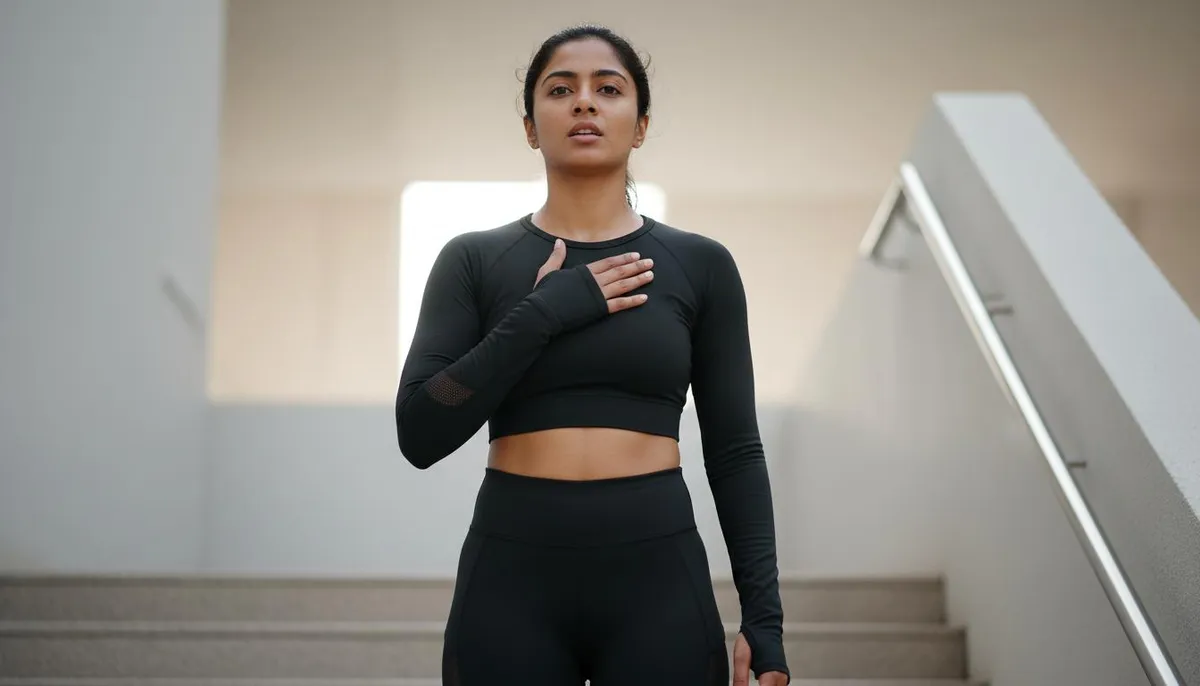
Have you ever felt dizzy after running up a flight of stairs, running after a bus, or playing with a small child? You may find it hard to breathe, your chest may be pounding... This may seem normal to most people. But it can actually be a sign of something very important in our bodies: the health of our heart and lungs.
Simply put, what is cardiovascular endurance?
Some people also call this (Aerobic Fitness). Simply put, it measures how well and efficiently your heart and lungs can supply your body with the amount of oxygen it needs when you exercise at a moderate intensity.
Imagine you are walking, running, or playing a sport at a fast pace. At that time, your muscles need more energy, which means more oxygen, than usual. If your Cardiovascular Endurance is at a good level, your heart and lungs can distribute this extra amount of oxygen throughout your body without any problems.
The result is that you can exercise for longer periods of time without getting tired . You will feel less tired and less likely to get out of breath.
What are the benefits of having good cardiovascular endurance?
The benefits of maintaining this at a good level are innumerable. It's like a 'delivery service' that carries energy to the trillions of cells in our body is working perfectly. Let's look at some of these benefits.
| Benefit | How it helps our body |
|---|---|
| Strengthening the heart and lungs | Because these two organs have to work hard when exercising, they become stronger over time. |
| Healthy cholesterol and blood pressure | It helps reduce bad cholesterol levels, increase good cholesterol levels, and control blood pressure. |
| Reduced risk of disease | It significantly reduces the risk of many non-communicable diseases such as heart disease, high blood pressure, and diabetes. |
| Making daily work easier | You can perform everyday tasks like carrying a load of clothes or climbing stairs without fatigue or falling. |
| Mental wellness | It improves brain function and also increases the secretion of hormones that help reduce stress and make you feel happy. |
| Increased lifespan | Research has proven that people who are physically fit have a longer lifespan. |
Okay, now how do we improve this?
This is the most important part. It's not that difficult to improve this fitness. The important thing is to start small and keep going.
You can start exercising with as little as 10-15 minutes a day. Then gradually increase the time by a few minutes each week. (Generally, it is recommended that adults exercise for at least 150 minutes a week.)
As well as increasing the time, you can also increase the intensity, or 'intensity', of your exercise. For example, increase the distance you walk or, if you're on a treadmill, increase the incline. All of these things give your heart and lungs a little 'challenge'. They get stronger when they're challenged.
Several special exercise methods
These are two very popular and effective exercise methods these days.
- Sprint Interval Training (SIT):This involves doing something as fast as you can, such as running or cycling, for a very short period of time, such as 10-30 seconds. Then you take a good 2-5 minutes to rest, and then do it again. Research has found that doing this 3-7 times can increase your fitness by between 4% and 13.5% within a few weeks.
- High-Intensity Interval Training (HIIT): This is similar to SIT, but it involves alternating periods of high-intensity exercise with periods of low-intensity exercise. For example, you might run at your fastest pace for one minute, then walk for two minutes. You might run for one minute, then walk for two minutes. This method has been shown to increase fitness by as much as 38% to 79%.
What are some simple exercises that can improve this fitness?
If you find it difficult to do things like (HIIT), no problem. There are many very simple, yet effective exercises that we can do in our daily lives. These exercises will increase your breathing rate and heart rate a little.
| Exercise | Special points |
|---|---|
| Walking | The best and easiest way to start is to walk at a brisk pace. |
| Jogging/Running | It gives more results than walking. You can start with running. |
| Cycling | A fun exercise that doesn't put too much pressure on the joints. |
| Swimming | A very good exercise for the whole body. |
| Dancing | Dancing to a song is also a great exercise for the heart. |
| Climbing stairs | Make it a habit to use the stairs instead of the elevator. |
No matter your age, you can improve your cardiovascular endurance. The important thing is to do it safely and in a way that suits your body.
Very important: Before you start a new exercise program, especially if you have a pre-existing medical condition like heart disease, diabetes, or high blood pressure, be sure to consult your doctor. He or she can guide you on what exercises are best for your health and how long you should do them.
💡 Take-Home Message
- Cardiovascular Endurance is the ability of your heart and lungs to supply oxygen to the body during exercise.
- Maintaining this at a good level can help maintain heart health, blood pressure, and cholesterol levels, and reduce the risk of disease.
- This fitness can be increased through simple exercises such as walking, running, swimming, and cycling.
- Start with 10-15 minutes a day and gradually increase the time and intensity of your exercise.
- It is very important to consult your doctor before starting any exercise program, especially if you have other medical conditions.






Janiw kuna arsuwinakas jichhakamax uñt’ayatäkiti. Aka chiqanx amuyt’awim jan ukax jiskt’awim yapxatañamawa.