
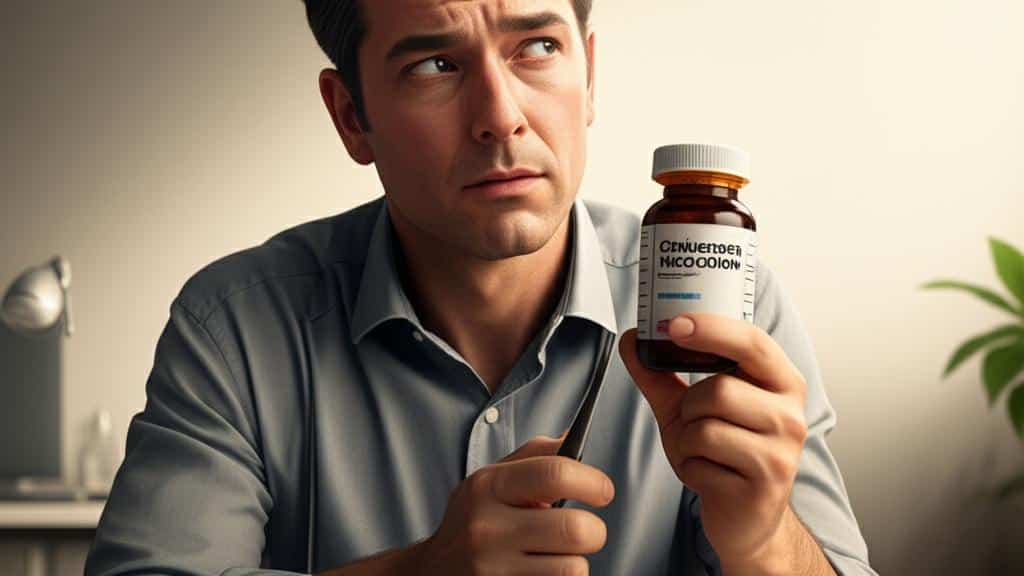
When you went to the clinic, did the doctor tell you that your cholesterol level is a little high and that you need to start taking medication for it? Or have you seen your mother, father, or friend taking medication for cholesterol? When you hear the word "cholesterol medication," some people feel a little scared and nervous. "Do I have to take these for the rest of my life?", "Will this harm my body?", "What will happen if I stop taking this medication?", etc., come to mind. So today, let's explain all this.
Heart disease risk
Check the risk of developing a heart disease within the next 10 years with the Framingham Score
What exactly is cholesterol?
Simply put, cholesterol is a type of fat that our bodies need. It's essential for many things in our bodies, from building cells to producing hormones. But like anything, problems start when it gets too much.
When we talk about cholesterol, we often hear about two main types:
- Bad cholesterol (LDL - Low-Density Lipoprotein): This is the problem. When it increases, it gets deposited on the walls of our blood vessels, gradually narrowing them. It's like rust building up inside an old water pipe. We call this condition (Atherosclerosis).
- Good cholesterol (HDL - High-Density Lipoprotein): This is our friend. It removes the bad cholesterol that has accumulated in the blood vessels and carries it to the liver to be destroyed. It's like a garbage collector.
When bad cholesterol (LDL) increases and blood vessels narrow, it obstructs the flow of blood to the heart and brain. This greatly increases the risk of developing serious diseases such as heart attack and stroke . Cholesterol medications are given to reduce that risk.
Do I need to start taking medication? Or can I just control my diet?
This is a question that many people ask. If your cholesterol is only slightly high, and you don't have other risk factors (like diabetes or high blood pressure), your doctor will first recommend lifestyle changes . That means:
- Reducing foods high in oil, sugar, and flour.
- Eating more fruits, vegetables, and fibrous foods.
- Exercising regularly .
- If you smoke, stop it completely.
However, there are some cases where lifestyle changes alone are not enough.
- If your cholesterol level is very high.
- If you already have diseases like diabetes or high blood pressure.
- If you have previously had a heart attack or stroke.
- If anyone in your family has had heart disease at a young age.
In cases like this, the doctor decides to start you on medication to protect you from those dangerous diseases.
What are the main medications for cholesterol?
There are several types of medications used to lower cholesterol. Your doctor will choose the most suitable medication for you based on your condition, cholesterol level, and other medical conditions. Let's look at the main types.
| Type of medicine | How it works | Examples (common in Sri Lanka) |
|---|---|---|
| Statins | These are the most commonly used and most effective types of medication. They reduce the production of cholesterol by the liver. | Atorvastatin (Lipitor), Rosuvastatin (Crestor), Simvastatin (Zocor) |
| Ezetimibe | They reduce the absorption of cholesterol from the foods we eat. They are often given in combination with statins. | Ezetimibe (Zetia) |
| Fibrates | These mainly help reduce another type of fat called triglycerides. | Fenofibrate, Gemfibrozil (Lopid) |
| PCSK9 Inhibitors | These are new, very powerful, injectable medications. They are given to people who are at high risk and cannot be controlled with statins. | Alirocumab (Praluent), Evolocumab (Repatha) |
Are there any side effects to this medicine?
Like any medicine, this one can cause minor side effects. But don't worry, most people don't experience any. The most common ones are:
- Soreness in muscles and joints.
- Headache.
- Stomach discomfort (such as bloating, flatulence).
These usually go away in a few days.
Very important: Some people may, very rarely, develop a serious muscle injury called Rhabdomyolysis''. If you start taking this medicine and experience severe muscle pain, weakness, and dark urine (like cola) after starting it, stop taking it immediately and see your doctor. Or go to the emergency department (ETU) of your nearest hospital. Although this is a rare occurrence, it is important to be aware of it.
Your doctor will be monitoring your liver enzymes and blood tests before and after you start taking this medication. So, as long as you follow your doctor's instructions, there's nothing to worry about.
Is lifestyle important while taking medication?
Absolutely yes! Many people think that once they take a pill, the problem is solved and they can eat and drink whatever they want. That's a big mistake. Cholesterol medication is just an additional support for your healthy lifestyle.
Remember, cholesterol medication is like a shield protecting your heart and brain. That shield will only be stronger if you live a healthy lifestyle.
While taking the medication, you should continue the good diet and exercise that we discussed earlier. This will help the medication work better. Over time, if your cholesterol levels are well controlled, your doctor may be able to reduce the dosage.
💡 Take-Home Message
- Cholesterol medication is prescribed to protect you from serious diseases like heart attack and stroke, so don't think of it as a burden.
- Always take the medicine prescribed by your doctor, at the right dose, at the right time. Never stop taking your medicine at any time.
- If you experience any unusual discomfort from the medication, especially severe muscle pain, tell your doctor immediately.
- It's not enough to just take medicine. A healthy diet and exercise are two things that you definitely need to incorporate into your life.
- As the doctor says, it is very important to go to the clinics on time and get the necessary blood tests.






No comments yet. Be the first to share your question or experience below.