

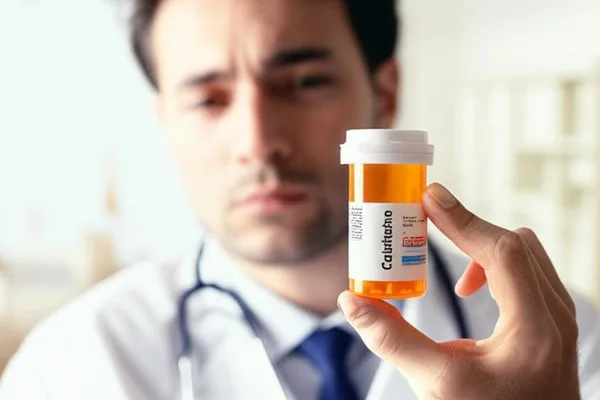
For many people, the word gout comes to mind when it comes to knee and ankle pain, right? Perhaps your doctor has prescribed a medication called Colchicine to help with this unbearable pain or to prevent it from coming back. When you pick up this prescription, many questions like, "What will happen with this? What should I be concerned about?" probably come to your mind. So don't worry, today we'll talk about what this medication is, how to use it, and what things to be concerned about.
What is Colchicine? What does it do?
Simply put, colchicine is a medicine that is used to control the pain and swelling of joints caused by gout and to prevent recurrence of gout. In gout, a chemical called uric acid, which is produced in our body, gets deposited in the joints, forming thorn-like crystals, causing severe pain and swelling. So what this colchicine medicine does is to reduce that inflammation and reduce the accumulation of uric acid crystals in the joints.
In addition, this medicine is also used to treat rare genetic conditions such as Familial Mediterranean Fever (FMF).
Things you need to tell your doctor before taking this medicine
Before your doctor prescribes Colchicine, it is important that he or she is aware of your complete health history. You should especially tell your doctor if you have any of the following conditions:
- Kidney disease : If you have any kidney disease.
- Liver disease: If there is a problem with liver function.
- Allergies: If you have ever had an allergy to Colchicine or any other medicine, food, or dye.
- Pregnancy: If you are pregnant or expecting a baby soon.
- If you are a breastfeeding mother: If you are a breastfeeding mother.
Based on this information, your doctor will determine the most appropriate dose for you.
The medicine should be used in the right way.
For a medicine to work properly, it is essential to use it correctly.
- Take this pill by mouth with a glass of water .
- Take your medicine exactly as prescribed by your doctor, at the right time. Never take more than prescribed.
- This medicine can be taken before or after meals. However, if you experience stomach upset, it is better to take it with a meal.
- People over the age of 65 may need a lower dose. Also, although this medicine is prescribed for children over the age of 4 in some special cases, special care should be taken. All of this will be decided by your doctor.
Remember, this medicine has been prescribed for you only. Do not share it with anyone else for any reason.
What if you take too much medicine? (Overdosage)
If you have even the slightest suspicion that you have taken more medicine than you think, don't delay. Immediately call the National Poisons Information Centre at the Colombo National Hospital . Or go to the Emergency Treatment Unit (ETU) of the nearest hospital.
What to do if you miss a dose?
If you miss a dose, take it as soon as you remember. However, if it is almost time for your next dose, skip the missed dose and take your next dose at the scheduled time. Do not take a double dose for any reason.
Other medications that should not be used with Colchicine
Colchicine is a medication that can interact with some other medications. Therefore, inform your doctor about all the medications you are taking, including prescription medications, over-the-counter medications, traditional medicines, and vitamins.
Colchicine can interact with each other, especially with the following:
- Some antiviral drugs for HIV or Hepatitis
- Some antibiotics, such as Erythromycin or Clarithromycin
- Some medications for high blood pressure and heart disease
- Cholesterol-lowering medications like Atorvastatin, Lovastatin, and Simvastatin
- Medicines like Ketoconazole and Itraconazole, which are used to treat fungal infections
- The drug Cyclosporine
- Grapefruit or grapefruit juice
For example, if you are taking medication for cholesterol, the way that medication works may change with this Colchicine. That is why it is very important to inform your doctor about all the medications you are taking.
What are the expected side effects?
Like any medication, Colchicine can cause some side effects. Some of these are serious, while others are common. The important thing is to be aware of these.
| Side effect | Description |
|---|---|
| Serious side effects that you should report to your doctor immediately | |
| Allergic reactions | Skin rash, itching, swelling of the face, lips, tongue or throat. |
| Signs of infection | Fever, chills, cough, sore throat, non-healing wounds, pain when urinating. |
| Muscle injury | Unusual weakness, muscle pain, dark yellow or brown urine. |
| Abnormal bleeding | Blue spots on the skin, occasional bleeding. |
| Numbness in the limbs | Pain, numbness, or tingling in the hands or feet. |
| Usually not serious (but notify your doctor if it persists) | |
| Stomach discomfort | Diarrhea, nausea, and vomiting are common in the early days. |
Other things to keep in mind when taking the medicine
- Vitamin B12: Taking colchicine for a long time can reduce your vitamin B12 levels. So talk to your doctor about your diet and the vitamins you are taking.
- Bleeding risk: This medication may slightly increase the risk of bleeding or bruising. So tell your doctor if you notice anything unusual.
- Regular check-ups: Go to the clinics at the scheduled times as prescribed by the doctor and check your condition. Also report any symptoms that persist or worsen.
How to keep medicine safe?
- Keep away from children and pets.
- Store at room temperature (between 15-30 degrees Celsius), in a dry place, away from light.
- Keep the cap of the medicine bottle tightly closed.
- Throw away expired medicine.
Take-Home Message
- Colchicine is an important drug that treats conditions such as gout.
- Always take the medicine exactly as prescribed by your doctor. Never take more than the recommended dose.
- Tell your doctor about all other medications, vitamins, and traditional medicines you are taking.
- If you experience serious side effects (fever, skin rash, unusual bleeding), seek medical advice immediately.
- Avoid taking grapes or grapefruit juice with this medicine.
- This medicine is for you only. Never share it with others.
- If you have any concerns about this medication, discuss it with your doctor.




💬 Comments (0)
No comments have been posted yet. Add your comment here for the first time.
Add your comment