

Have you ever had a colonoscopy to check for colon cancer ? When you did, your doctor probably told you that you had small growths called polyps in your colon. These are actually small growths that grow on the lining of your colon. Most of the time, they are harmless. But sometimes, they can lead to colon cancer . That's why it's important to be aware of them.
Simply put, what is Tubular Adenoma?
The most common type of colon polyp that doctors remove during a colonoscopy is called a ``Tubular Adenoma.'' The name comes from the fact that the cells in these polyps look like small tubes when viewed under a microscope.
The good news is that less than 10% of these `(Tubular Adenoma)`s turn into cancer. However, if you have this type or any other type of colon polyps, your doctor will definitely remove them. This is to eliminate even the smallest chance of cancer developing in the future.
How do these polyps form?
Sometimes cells in our body start to grow out of control. We call this process mutation . These abnormal cells become tumors like polyps. Tubular adenomas are usually small, less than half an inch in size.
Experts still don't know exactly why this happens, but they believe that a combination of genetic and environmental factors contribute to the condition.
In addition, people with chronic inflammation of the colon, such as ulcerative colitis or Crohn's disease , can develop these tumors as a response to the inflammation. However, the tumors that develop due to this inflammation are less likely to become cancerous. However, these conditions do increase the overall risk of developing colon cancer. This is because these diseases damage the lining of the colon and cause cells to divide more rapidly in an attempt to repair themselves.
What is the difference between Tubular and Villous Adenoma?
There are two main growth patterns of adenomas in the colon. Let's understand the difference between the two with a table.
| Adenoma Type | Appearance and characteristics |
|---|---|
| Tubular Adenoma | These grow in a neat, tube-shaped pattern. About 70% of tumors that develop in the colon are of this type. They are small in size. |
| Villous Adenoma | These grow in a shaggy, cauliflower-like pattern. This makes them large in size. They also grow rapidly and are more likely to contain cancer cells. |
Some tumors may have a combination of both patterns. We call them ``Tubulovillous Adenomas.`` About 15% of tumors that develop in the colon are either ``Villous`` or ``Tubulovillous``.
Who is at higher risk of developing these?
You are slightly more likely to develop `(Tubular Adenoma)` if you have the following:
- Being 50 years of age or older.
- Having a high body mass index (BMI) or being obese .
- Being a male.
- If anyone in the family has previously developed colon tumors or cancer.
- Having diabetes.
- Smoking.
- Excessive alcohol consumption.
- Not exercising.
What are the symptoms of this?
The important thing is, many of these polyps do not cause any symptoms.That means you may not even know you have these until your doctor does a colonoscopy.
However, sometimes you may see symptoms like these:
- Rectal bleeding.
- Mucus-like discharge with waste.
- Frequent diarrhea or constipation.
- Stomach ache.
- Anemia caused by the loss of blood along with waste products.
How is the disease diagnosed and treated?
The best and most accurate way to find and remove a `(Tubular Adenoma)` is a `(Colonoscopy)` test .
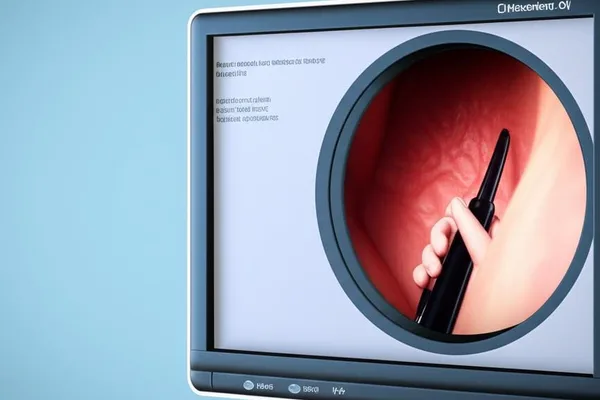
In this test, the doctor inserts a long, flexible tube with a camera attached through your anus and slowly guides it down your colon. The images inside your colon can be viewed on a video screen. If any of these tumors are present, they can be clearly seen.
The doctor will then use a small instrument to cut and remove the tumor, or place a wire around it and burn it away with an electric current. This is done while you are under anesthesia, meaning you are deeply asleep, so you won't feel any pain.
The removed tumor is then sent to a lab, where a pathologist examines it under a microscope to see if it contains cancer cells.
Although there are several other tests to detect these, a colonoscopy is still required to remove them. These tests are:
- CT colonography
- Flexible sigmoidoscopy
- Fecal tests
What happens after the cyst is removed?
If you have had a `(Tubular Adenoma)` or another type of adenoma and they are removed, you will need to have repeated `(Colonoscopy)` tests to see if they come back. This is called `(Follow-up)`.
If you had one or two small (less than 10 millimeters), you will probably need to have your next test done in about 7-10 years .
But,
- If you had three or four nuts,
- If they are larger than 10 millimeters,
- If the doctor couldn't remove them completely,
- If anyone in your family has had colon tumors or cancer,
Your doctor may advise you to have a repeat test sooner, perhaps in 3-5 years . It is very important to follow your doctor's instructions exactly.
How can these be prevented from forming and causing cancer?
About 95% of colon cancers start as small growths (polyps) like these. These can take ten years or more to develop into cancer.
That means we have plenty of time to prevent this. All we have to do is get tested at the right age and, if we have these tumors, remove them before they become cancerous.
Doctors generally recommend having your first colonoscopy at age 45. However,
- If anyone in your family has had colon cancer or tumors,
- If you have Inflammatory Bowel Disease (IBD),
- If there is a genetic condition that increases this risk,
You may need to start testing even earlier, around age 40 .
In addition, you can also reduce your risk by doing these things:
- Reduce your intake of high-fat and processed meats.
- Eat more vegetables, fresh fruits, and high-fiber foods.
- Maintain a healthy weight for yourself.
- Avoid smoking completely.
- If you drink alcohol, limit it very much.
- Talk to your doctor about whether taking aspirin daily can help reduce your risk of cancer, and be aware of the pros and cons. Never start taking this medication without medical advice.
Take-Home Message
- Tubular Adenoma is a very common, harmless tumor that forms in the colon. It is nothing to be afraid of.
- Most of these will never become cancerous, but because there is a small risk, doctors remove them as soon as they are seen.
- These tumors often do not cause any symptoms, so the best way to find them is through a colonoscopy.
- If you are 45 years old or older and are at risk for cancer, getting a colonoscopy at the right time is the best way to prevent colon cancer.
- After removing the cyst, be sure to follow-up with your doctor according to the schedule.




💬 Comments (0)
No comments have been posted yet. Add your comment here for the first time.
Add your comment