How to keep your skin healthy if you have diabetes? (Diabetes Skin Care)

How to keep your skin healthy if you have diabetes? (Diabetes Skin Care)

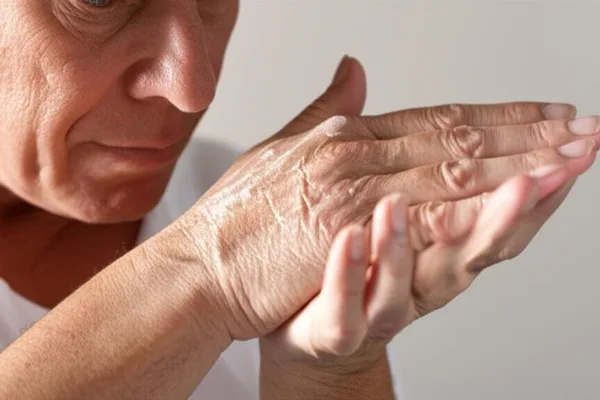
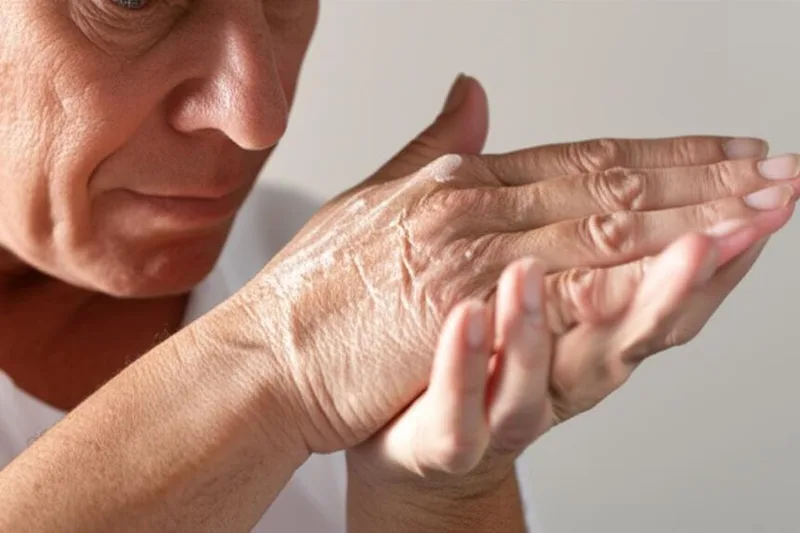
If you have diabetes, you may notice some changes in your skin. Maybe your skin feels dry all the time, or even a small wound takes longer to heal than usual. This is a common condition that comes with diabetes. But don't panic. If you are properly informed and take proper care of your skin, you can definitely control these problems to a great extent and maintain healthy skin. Let's talk about this in detail.

Why is it important to take special care of the skin in diabetes?

Simply put, when we have diabetes, our blood sugar levels can be constantly high. This high sugar level damages the small blood vessels and nerves in our body. This is the root of everything.

Think about it, our skin gets the nutrients and oxygen it needs from these blood vessels. When they are damaged, the nutrition the skin receives decreases. Also, when the nerves are damaged (which we call Neuropathy in medicine), the sensation, that is, the feeling, of the skin decreases.

This is for two reasons:

  • The skin becomes dry, cracked, and itchy.
  • Even a small wound takes a long time to heal.
  • The risk of skin infections increases.
  • Sometimes, even if you get a small thorn stuck in your foot or get a wound stuck in your shoe, you may not notice it.

Therefore, it is essential for someone with diabetes to take extra care of their skin, especially their feet, more than usual.

First thing to do: Control diabetes

No matter what you do to protect your skin, it may all be in vain if you don't control your diabetes. The foundation of the real solution to skin problems is keeping your blood sugar levels within the right range .

Follow your doctor's instructions exactly.

  • Take your medicine on time.
  • Get used to a healthy diet.
  • Engage in exercises that suit your body.
  • Maintain a healthy weight.
  • Control your blood pressure.

If you do these things correctly, you can stop your existing skin problems from getting worse and prevent new ones from developing.

Things to practice daily for healthy skin

Here are some simple habits to add to your daily life.

The importance of daily skin checks

This is the most important thing. Every day at the end of the day, check the skin on your entire body, especially your feet.

  • Look carefully at the soles of the feet, ankles, and between the toes .
  • Check for small cuts, scrapes, blisters, redness, swelling, or old wounds that are not healing.
  • If you have neuropathy, you may not feel any pain, so it's important to look with both eyes. Use a mirror to look at the bottom of your feet.

Let's protect the skin from drying out.

Dry skin is very common in diabetes. Dry skin causes itching, cracking, and germs can enter through those cracks.

  • When bathing: Do not use hot water. Take a quick shower with lukewarm water . Use a mild soap instead of a strongly scented soap.
  • When drying your skin: Don't rub it hard with a towel. It's best to gently pat it dry . Be sure to dry your armpits, groin, under your breasts, and between your toes.
  • Use a moisturizer: Applying a moisturizer after bathing, while your skin is still slightly damp, will help keep your skin hydrated. It is best to apply it at least twice a day.
  • Chapped lips: Use a lip balm to prevent chapped lips.
  • AC Rooms: If you are constantly in air-conditioned rooms, it is a good idea to use a humidifier to add moisture to the air.

If you have acne-prone skin, consult a dermatologist before choosing a moisturizer for your face. Choose products labeled "noncomedogenic" or "nonacnegenic."

How to provide first aid for minor skin problems

It is very important to treat a minor skin wound or scrape as soon as it occurs. Let's learn about it from this table.

Skin Problem What to Do
Blisters
  • Do not break or pop the blister. The skin over it protects against infection.
  • Wash your hands with mild soap and lukewarm water.
  • Apply an antibacterial ointment, cover with a gauze pad, and tape it.
  • Change the belt at least once a day.
Small Cuts
  • Wash and clean with mild soap and water.
  • Apply an antiseptic ointment.
  • Cover with a piece of gauze and tape it.
  • Change the belt at least once a day.
  • Skin rashes/itching
  • Wash with mild soap and water and pat dry gently.
  • Don't scratch. If the itching is severe, apply a moisturizer.
  • Observe whether the situation worsens.
  • Minor Burns
  • Hold cold (but not ice) water over the burned area for a while.
  • If there are blisters, do not pop them.
  • Wash gently and cover with a piece of gauze.
  • Special attention: Frostbite

    • This is an emergency. Seek medical advice immediately. If necessary, go to the hospital's Emergency Treatment Unit (ETU).
    • Use lukewarm (but not hot) water to rewarm the skin.
    • Do not rub the affected area. Do not apply any creams.
    • Do not try to use the affected arm or leg.

    If you have these symptoms, definitely see a doctor.

    Even a minor injury can be serious for someone with diabetes. Therefore, if you have any of the following symptoms, see your doctor without delay .

    • If the wound does not show any improvement after 24 hours of first aid.
    • If the redness around the wound increases or the swelling increases .
    • If the wound is oozing pus or has a bad odor.
    • If there is pain or discomfort that lasts more than two days.
    • If you have a fever .

    Don't assume it's a minor issue. If in doubt, it's safest to see a doctor. Some serious infections may even require hospitalization for treatment.

    Take-Home Message

    • The health of your skin depends on controlling your diabetes . That's number one.
    • Check your skin, especially your feet, every day . Don't miss even the slightest change.
    • Keep your skin clean and moisturized with a moisturizer , but keep areas like your armpits and groin dry and free of moisture.
    • Clean and treat even the smallest cut or scrape immediately .
    • If a skin problem does not improve, gets worse, or shows signs of infection, see a doctor without delay .

    Diabetes, skin care, diabetes skin diseases, diabetes skin care sinhala, wound healing, dry skin, foot care
    ⚠️ Important: The medical articles and information on Nirogi Lanka are for general awareness only, and are by no means a substitute for professional medical advice, diagnosis, or treatment. For any medical problem you have, consult a qualified physician immediately.

    💬 Comments (0)

    No comments have been posted yet. Add your comment here for the first time.

    Add your comment

    Please calculate: 2 + 6 =
    How to keep your skin healthy if you have diabetes? (Diabetes Skin Care)
    Preventive HealthJuly 7, 2026

    How to keep your skin healthy if you have diabetes? (Diabetes Skin Care)

    If you have diabetes, you may notice some changes in your skin. Maybe your skin feels dry all the time, or even a small wound takes longer to heal than usual. This is a common condition that comes with diabetes. But don't panic. If you are properly informed and take proper care of your skin, you can definitely control these problems to a great extent and maintain healthy skin. Let's talk about this in detail.

    Why is it important to take special care of the skin in diabetes?

    Simply put, when we have diabetes, our blood sugar levels can be constantly high. This high sugar level damages the small blood vessels and nerves in our body. This is the root of everything.

    Think about it, our skin gets the nutrients and oxygen it needs from these blood vessels. When they are damaged, the nutrition the skin receives decreases. Also, when the nerves are damaged (which we call Neuropathy in medicine), the sensation, that is, the feeling, of the skin decreases.

    This is for two reasons:

    • The skin becomes dry, cracked, and itchy.
    • Even a small wound takes a long time to heal.
    • The risk of skin infections increases.
    • Sometimes, even if you get a small thorn stuck in your foot or get a wound stuck in your shoe, you may not notice it.

    Therefore, it is essential for someone with diabetes to take extra care of their skin, especially their feet, more than usual.

    First thing to do: Control diabetes

    No matter what you do to protect your skin, it may all be in vain if you don't control your diabetes. The foundation of the real solution to skin problems is keeping your blood sugar levels within the right range .

    Follow your doctor's instructions exactly.

    • Take your medicine on time.
    • Get used to a healthy diet.
    • Engage in exercises that suit your body.
    • Maintain a healthy weight.
    • Control your blood pressure.

    If you do these things correctly, you can stop your existing skin problems from getting worse and prevent new ones from developing.

    Things to practice daily for healthy skin

    Here are some simple habits to add to your daily life.

    The importance of daily skin checks

    This is the most important thing. Every day at the end of the day, check the skin on your entire body, especially your feet.

    • Look carefully at the soles of the feet, ankles, and between the toes .
    • Check for small cuts, scrapes, blisters, redness, swelling, or old wounds that are not healing.
    • If you have neuropathy, you may not feel any pain, so it's important to look with both eyes. Use a mirror to look at the bottom of your feet.

    Let's protect the skin from drying out.

    Dry skin is very common in diabetes. Dry skin causes itching, cracking, and germs can enter through those cracks.

    • When bathing: Do not use hot water. Take a quick shower with lukewarm water . Use a mild soap instead of a strongly scented soap.
    • When drying your skin: Don't rub it hard with a towel. It's best to gently pat it dry . Be sure to dry your armpits, groin, under your breasts, and between your toes.
    • Use a moisturizer: Applying a moisturizer after bathing, while your skin is still slightly damp, will help keep your skin hydrated. It is best to apply it at least twice a day.
    • Chapped lips: Use a lip balm to prevent chapped lips.
    • AC Rooms: If you are constantly in air-conditioned rooms, it is a good idea to use a humidifier to add moisture to the air.

    If you have acne-prone skin, consult a dermatologist before choosing a moisturizer for your face. Choose products labeled "noncomedogenic" or "nonacnegenic."

    How to provide first aid for minor skin problems

    It is very important to treat a minor skin wound or scrape as soon as it occurs. Let's learn about it from this table.

    Skin Problem What to Do
    Blisters
    • Do not break or pop the blister. The skin over it protects against infection.
    • Wash your hands with mild soap and lukewarm water.
    • Apply an antibacterial ointment, cover with a gauze pad, and tape it.
    • Change the belt at least once a day.
    Small Cuts
  • Wash and clean with mild soap and water.
  • Apply an antiseptic ointment.
  • Cover with a piece of gauze and tape it.
  • Change the belt at least once a day.
  • Skin rashes/itching
  • Wash with mild soap and water and pat dry gently.
  • Don't scratch. If the itching is severe, apply a moisturizer.
  • Observe whether the situation worsens.
  • Minor Burns
  • Hold cold (but not ice) water over the burned area for a while.
  • If there are blisters, do not pop them.
  • Wash gently and cover with a piece of gauze.
  • Special attention: Frostbite

    • This is an emergency. Seek medical advice immediately. If necessary, go to the hospital's Emergency Treatment Unit (ETU).
    • Use lukewarm (but not hot) water to rewarm the skin.
    • Do not rub the affected area. Do not apply any creams.
    • Do not try to use the affected arm or leg.

    If you have these symptoms, definitely see a doctor.

    Even a minor injury can be serious for someone with diabetes. Therefore, if you have any of the following symptoms, see your doctor without delay .

    • If the wound does not show any improvement after 24 hours of first aid.
    • If the redness around the wound increases or the swelling increases .
    • If the wound is oozing pus or has a bad odor.
    • If there is pain or discomfort that lasts more than two days.
    • If you have a fever .

    Don't assume it's a minor issue. If in doubt, it's safest to see a doctor. Some serious infections may even require hospitalization for treatment.

    Take-Home Message

    • The health of your skin depends on controlling your diabetes . That's number one.
    • Check your skin, especially your feet, every day . Don't miss even the slightest change.
    • Keep your skin clean and moisturized with a moisturizer , but keep areas like your armpits and groin dry and free of moisture.
    • Clean and treat even the smallest cut or scrape immediately .
    • If a skin problem does not improve, gets worse, or shows signs of infection, see a doctor without delay .

    Diabetes, skin care, diabetes skin diseases, diabetes skin care sinhala, wound healing, dry skin, foot care
    ⚠️ Important: The medical articles and information on Nirogi Lanka are for general awareness only, and are by no means a substitute for professional medical advice, diagnosis, or treatment. For any medical problem you have, consult a qualified physician immediately.

    💬 Comments (0)

    No comments have been posted yet. Add your comment here for the first time.

    Add your comment

    Please calculate: 2 + 6 =