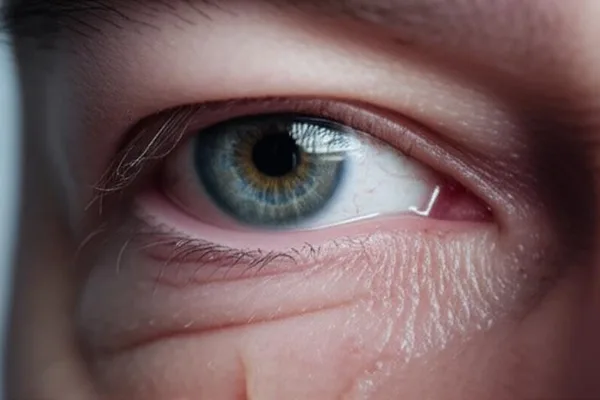
Let's learn exactly about the complications of diabetic retinopathy.

Let's learn exactly about the complications of diabetic retinopathy.

If you have Type 1 or Type 2 Diabetes, you probably already know that diabetes can cause eye problems. The most common of these, and one that we should be very concerned about, is diabetic retinopathy. Medically, this is called diabetic retinopathy. Simply put, it is damage to the light-sensitive tissue at the back of your eye, the retina. When your blood sugar levels are high and uncontrolled for a long time, the tiny blood vessels that supply oxygen and other nutrients to the retina become damaged. As a result, your eyes can no longer function properly, and your vision gradually becomes blurry.

In the early stages of this condition, you may not notice any symptoms. But over time, if not treated properly, this Diabetic Retinopathy condition can worsen and lead to other serious complications that can even lead to complete vision loss. Let's talk about them one by one now.

What are the main eye damage caused by diabetes?

Once diabetes starts to damage your eyes, it doesn't stop there. If it's not properly controlled, it can lead to a number of other problems.

Swelling of the retina due to diabetes (Diabetic Macular Edema - DME)

About half of people with diabetic retinopathy develop a condition called DME. When the blood vessel walls in your retina become weak due to diabetes, fluid and blood begin to leak out. This fluid and blood collect in the central part of your retina, called the macula. Think about it, the macula is the most important part of the eye that helps us see clearly, read books, and recognize people. So when this area swells, you suddenly start to have blurry vision , double vision , and small black spots floating in front of your eyes (eye floaters) .

The main treatment for this is the injection of anti-VEGF drugs. These drugs work by blocking a substance called VEGF (Vascular Endothelial Growth Factor), which stimulates blood vessel growth, and reducing swelling in the macula. This can largely control the progression of the disease.

Bleeding inside the eye (Vitreous Hemorrhage)

Diabetes causes new blood vessels in the eye to become very weak. They are like pipes made of cheap materials. So they can easily burst and leak blood into the jelly-like substance inside the eye (the vitreous). This blood then blocks the passage of light from the outside to the retina.

Imagine, if the amount of bleeding is small, you might see a few black spots (floaters) floating in front of your eyes. But if the bleeding is severe, the blood can fill the entire cavity inside your eye, causing you to lose your vision completely .

The most important thing is to see your doctor as soon as you notice any of these symptoms and find out the cause. The blood may go away on its own within a few weeks or months. However, you should be monitored closely during this time. If it doesn't go away, you may need to have a surgery called a vitrectomy to remove the jelly-like substance inside your eye.

Neovascular Glaucoma (increased pressure in the eye)

Sometimes, abnormal new blood vessels start to form on the iris of your eye. These vessels block the way for the fluid to drain from your eye. This is like a drain clogged with debris. Fluid builds up inside your eye, causing eye pressure to rise dramatically. This is a severe form of glaucoma.

This is a very serious condition. If not treated properly, you can lose your vision completely within a few days. A doctor can use laser treatment and medication to restore this fluid flow, reduce eye pressure, and save your vision.

Retinal Detachment

As Diabetic Retinopathy progresses, the blood vessels in the retina can become completely blocked. The body then responds by forming new blood vessels in the retina. As we discussed earlier, these new vessels are very weak. They can leak blood and form scar tissue. Eventually, when this scar tissue shrinks, it causes the retina to detach from the back wall of the eye. This is like a poster peeling off a wall.

This is a medical emergency . If you have any of the following symptoms, see an eye doctor without delay . Otherwise, go to the Emergency Department (ETU) of the nearest hospital.

Emergency symptoms of retinal detachment
1. Suddenly , a large number of black spots (floaters) begin to float before the eyes.
2. Seeing flashes of light in one or both eyes.
3. A feeling as if a black curtain is falling on the side or in the middle of your field of vision (the range you can see).

But don't worry. There are treatments for this. If there is a small hole or tear in the retina, doctors can use a freezing probe or laser to reattach it. If a large part of it has come off, surgery may be necessary. The good news is that if this condition is detected early, the success rate of treatment is as high as 90%.

What should we do to avoid these complications?

There are several things you can do to protect your eyes from these serious complications.

  • Control your diabetes well: The better you control your blood sugar levels, the more likely you are to prevent diabetic retinopathy from getting worse. Because, as we've discussed, it's uncontrolled sugar levels that damage these tiny blood vessels.
  • Be careful about blood pressure: High blood pressure can also damage blood vessels, including those in the eyes.
  • Talk to your doctor about treatment: Research has shown that if treatment is started early, the progression of the disease can be largely controlled. Therefore, even if you have diabetes and have no symptoms, it is important to see your doctor for regular eye exams.

Take-Home Message

  • Diabetes is a disease that can cause serious damage to your eyes, so be careful about it.
  • Keeping your blood sugar and blood pressure under control is the best thing you can do.
  • Even if you have no symptoms, if you are diabetic, it is essential to have your eyes examined according to the schedule prescribed by your doctor.
  • If you start to see black spots floating in front of your eyes, if they look like flashes of lightning, or if you feel like you have a black screen in your vision, it is an emergency. See an ophthalmologist immediately or go to the hospital's Emergency Department (ETU).

Diabetes, Diabetic Retinopathy, Eye Complications, Retinal Detachment, Glaucoma, Eyesight
⚠️ Important: The medical articles and information on Nirogi Lanka are for general awareness only, and are by no means a substitute for professional medical advice, diagnosis, or treatment. For any medical problem you have, consult a qualified physician immediately.

💬 Comments (0)

No comments have been posted yet. Add your comment here for the first time.

Add your comment

Please calculate: 9 + 1 =
Let's learn exactly about the complications of diabetic retinopathy.
SymptomsJuly 7, 2026

Let's learn exactly about the complications of diabetic retinopathy.

If you have Type 1 or Type 2 Diabetes, you probably already know that diabetes can cause eye problems. The most common of these, and one that we should be very concerned about, is diabetic retinopathy. Medically, this is called diabetic retinopathy. Simply put, it is damage to the light-sensitive tissue at the back of your eye, the retina. When your blood sugar levels are high and uncontrolled for a long time, the tiny blood vessels that supply oxygen and other nutrients to the retina become damaged. As a result, your eyes can no longer function properly, and your vision gradually becomes blurry.

In the early stages of this condition, you may not notice any symptoms. But over time, if not treated properly, this Diabetic Retinopathy condition can worsen and lead to other serious complications that can even lead to complete vision loss. Let's talk about them one by one now.

What are the main eye damage caused by diabetes?

Once diabetes starts to damage your eyes, it doesn't stop there. If it's not properly controlled, it can lead to a number of other problems.

Swelling of the retina due to diabetes (Diabetic Macular Edema - DME)

About half of people with diabetic retinopathy develop a condition called DME. When the blood vessel walls in your retina become weak due to diabetes, fluid and blood begin to leak out. This fluid and blood collect in the central part of your retina, called the macula. Think about it, the macula is the most important part of the eye that helps us see clearly, read books, and recognize people. So when this area swells, you suddenly start to have blurry vision , double vision , and small black spots floating in front of your eyes (eye floaters) .

The main treatment for this is the injection of anti-VEGF drugs. These drugs work by blocking a substance called VEGF (Vascular Endothelial Growth Factor), which stimulates blood vessel growth, and reducing swelling in the macula. This can largely control the progression of the disease.

Bleeding inside the eye (Vitreous Hemorrhage)

Diabetes causes new blood vessels in the eye to become very weak. They are like pipes made of cheap materials. So they can easily burst and leak blood into the jelly-like substance inside the eye (the vitreous). This blood then blocks the passage of light from the outside to the retina.

Imagine, if the amount of bleeding is small, you might see a few black spots (floaters) floating in front of your eyes. But if the bleeding is severe, the blood can fill the entire cavity inside your eye, causing you to lose your vision completely .

The most important thing is to see your doctor as soon as you notice any of these symptoms and find out the cause. The blood may go away on its own within a few weeks or months. However, you should be monitored closely during this time. If it doesn't go away, you may need to have a surgery called a vitrectomy to remove the jelly-like substance inside your eye.

Neovascular Glaucoma (increased pressure in the eye)

Sometimes, abnormal new blood vessels start to form on the iris of your eye. These vessels block the way for the fluid to drain from your eye. This is like a drain clogged with debris. Fluid builds up inside your eye, causing eye pressure to rise dramatically. This is a severe form of glaucoma.

This is a very serious condition. If not treated properly, you can lose your vision completely within a few days. A doctor can use laser treatment and medication to restore this fluid flow, reduce eye pressure, and save your vision.

Retinal Detachment

As Diabetic Retinopathy progresses, the blood vessels in the retina can become completely blocked. The body then responds by forming new blood vessels in the retina. As we discussed earlier, these new vessels are very weak. They can leak blood and form scar tissue. Eventually, when this scar tissue shrinks, it causes the retina to detach from the back wall of the eye. This is like a poster peeling off a wall.

This is a medical emergency . If you have any of the following symptoms, see an eye doctor without delay . Otherwise, go to the Emergency Department (ETU) of the nearest hospital.

Emergency symptoms of retinal detachment
1. Suddenly , a large number of black spots (floaters) begin to float before the eyes.
2. Seeing flashes of light in one or both eyes.
3. A feeling as if a black curtain is falling on the side or in the middle of your field of vision (the range you can see).

But don't worry. There are treatments for this. If there is a small hole or tear in the retina, doctors can use a freezing probe or laser to reattach it. If a large part of it has come off, surgery may be necessary. The good news is that if this condition is detected early, the success rate of treatment is as high as 90%.

What should we do to avoid these complications?

There are several things you can do to protect your eyes from these serious complications.

  • Control your diabetes well: The better you control your blood sugar levels, the more likely you are to prevent diabetic retinopathy from getting worse. Because, as we've discussed, it's uncontrolled sugar levels that damage these tiny blood vessels.
  • Be careful about blood pressure: High blood pressure can also damage blood vessels, including those in the eyes.
  • Talk to your doctor about treatment: Research has shown that if treatment is started early, the progression of the disease can be largely controlled. Therefore, even if you have diabetes and have no symptoms, it is important to see your doctor for regular eye exams.

Take-Home Message

  • Diabetes is a disease that can cause serious damage to your eyes, so be careful about it.
  • Keeping your blood sugar and blood pressure under control is the best thing you can do.
  • Even if you have no symptoms, if you are diabetic, it is essential to have your eyes examined according to the schedule prescribed by your doctor.
  • If you start to see black spots floating in front of your eyes, if they look like flashes of lightning, or if you feel like you have a black screen in your vision, it is an emergency. See an ophthalmologist immediately or go to the hospital's Emergency Department (ETU).

Diabetes, Diabetic Retinopathy, Eye Complications, Retinal Detachment, Glaucoma, Eyesight
⚠️ Important: The medical articles and information on Nirogi Lanka are for general awareness only, and are by no means a substitute for professional medical advice, diagnosis, or treatment. For any medical problem you have, consult a qualified physician immediately.

💬 Comments (0)

No comments have been posted yet. Add your comment here for the first time.

Add your comment

Please calculate: 9 + 1 =