
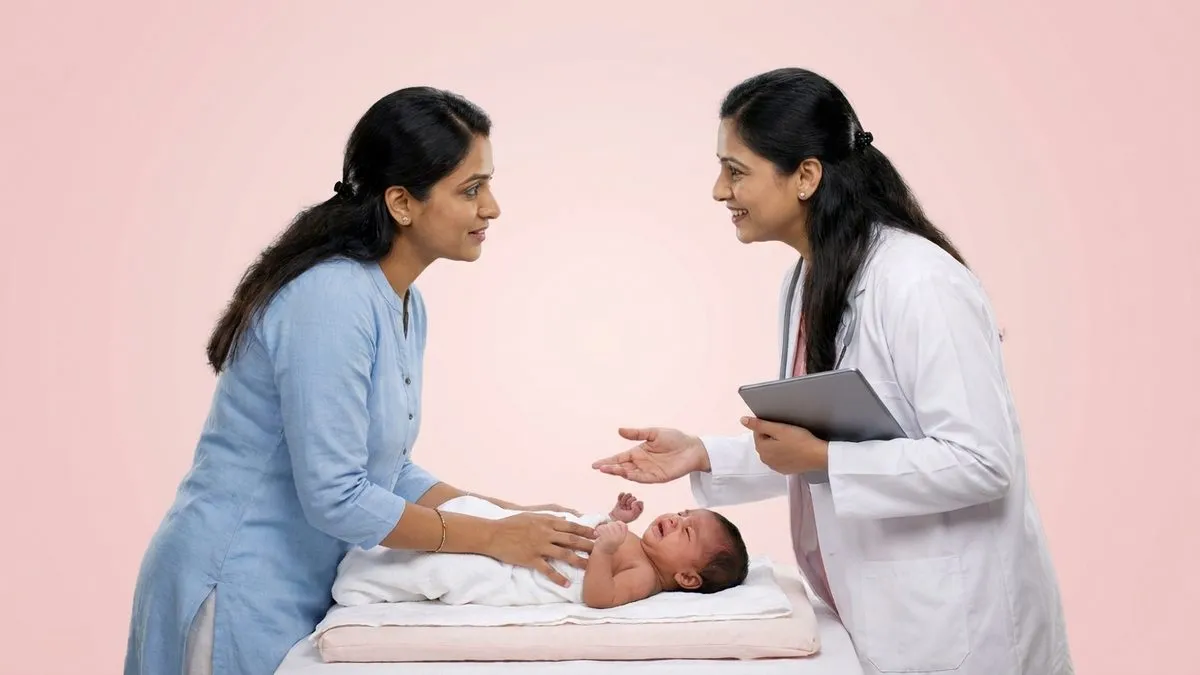
Have you ever been scared when you see a small spot of blood near your little one's anus while changing their diaper or after pooping? Sometimes you may even feel something like a small lump. You may wonder if this could be hemorrhoids. Although this is very common in adults, can this condition also occur in small babies? Yes, it can. But don't worry, let's talk about this clearly and simply.
GAD-7 ukax llakisiñ uñakipiri. 7 jiskt’awinakaru jaysaña, trastorno de ansiedad generalizada uñakipañataki. Sapa kutiw mä profesional de salud mental ukar jiskt’asiñama, ukhamat diagnostico lurañataki.
What are hemorrhoids?
Simply put, hemorrhoids are swollen veins in the anus and rectum. They are similar to varicose veins in our legs. These swollen veins can be inside the anus or protrude outside. Although this condition is common among adults, it is somewhat rare in infants and young children.
How do you know if a baby has hemorrhoids?
If your little one has hemorrhoids, you may notice these symptoms. Be especially careful when changing diapers and cleaning your baby.
- Bleeding with the stool: Blood may appear as streaks in the stool, or you may see a blood stain when wiping the diaper.
- Lumps near the anus: One or more small, reddish or bluish bumps may appear near the edge of the anus.
- Itching or discomfort: If your child is older and can talk, they may say that their anus is itchy, painful, or feels uncomfortable.
Why do little babies develop this?
There are several main reasons why babies develop hemorrhoids.
Constipation is the main enemy.
Often, the main reason why babies get hemorrhoids is constipation. When a baby tries to poop, it puts a lot of pressure on the veins around their anus. This can cause those veins to swell. Things like these can cause constipation:
- Changes in diet: Constipation can occur when a baby switches from breast milk to formula or solid foods.
- Dehydration: If your baby doesn't drink enough fluids during the day, their poop can become dry and hard .
- Potty Training: When older children are potty trained, they sometimes hold back their pooping because they are afraid. Or they sit on the toilet for too long and strain. This can also cause hemorrhoids.
Chronic Liver Failure
This is very rare.It's something you see. But it's important to be aware of as a parent.
Sometimes, if the liver is not functioning properly, the blood circulation in the body can change and put more pressure on the veins in the rectum. This can also cause hemorrhoids. However, this is a very rare cause among young babies.
How can the doctor confirm if this is hemorrhoids?
If you see blood coming from your baby's anus, you should definitely see a doctor. He or she will diagnose the condition in this way.
1. Physical examination: First, the doctor will carefully examine the baby and look at the outside of the anus to see if there are any hemorrhoids.
2. Digital Rectal Exam (DRE): If there is any suspicion of hemorrhoids inside the rectum, the doctor can carefully examine the rectum using a gloved, lubricated finger.
3. Colonoscopy: If no obvious cause for rectal bleeding can be found, this test may be recommended. This involves sedating the baby and inserting a thin tube with a camera through the anus to examine the inside of the large intestine.
Other conditions that look like hemorrhoids
Sometimes, even though we think it's hemorrhoids, it could be another health condition. The doctor takes care of all of these things.
| Condition | Simply put... |
|---|---|
| Anal Fissures | When a baby passes a large, hard stool, small tears form in the skin of the rectum. This can also cause bleeding and pain with the stool. |
| Anal Warts | These are warts that are usually caused by the human papillomavirus (HPV). The virus can be transmitted to a baby through contact with someone who has it. |
| Rectal Polyps | Abnormal cell growths that form inside the rectum or large intestine. These are usually harmless. In children, they rarely become cancerous. |
| Skin tags | These are harmless, small bumps that have grown out of the skin. Sometimes, a healed hemorrhoid can remain like this. |
What can be done for baby's hemorrhoids?
First of all, the good news is that most of the time, hemorrhoids in babies get better on their own without any special treatment . The main thing to do is to control constipation.
- Dietary changes: Add fiber-rich foods to your baby's diet. Fruit and vegetable purees, all-natural fruit juices, and baby foods containing wheat or barley can help reduce constipation. It's also important to give your baby plenty of water and fluids.
- Behavior modification: If your child is a little older, stop sitting on the toilet for too long after they've finished pooping.
- Ointments: Some ointments available at pharmacies can shrink hemorrhoids and reduce symptoms. However, do not use anything on your baby without first consulting your doctor.
- Laxatives or Enemas: These should only be used with the approval of a doctor. Never give these to a baby on your own.
- Surgery: Only if the hemorrhoids are very severe, the doctor may decide to remove them with surgery (hemorrhoidectomy). However, this is very rare in babies.
When is it best to see a doctor?
If your baby has any of these symptoms, see a doctor immediately or take them to the nearest hospital's Emergency Department (ETU) .
- If the baby can't poop.
- If the baby has a fever.
- If there is persistent or excessive bleeding from the anus.
Hemorrhoids are usually nothing to worry about. However, you should never ignore a baby's rectal bleeding. Therefore, if you notice something like this, it is best to see a doctor to find out the exact cause.
💡 Take-Home Message
- Hemorrhoids are generally rare in young children, but they can happen.
- The main cause of this is constipation. Therefore, it is very important to give the baby fluids and foods rich in fiber.
- If you see blood coming from your baby's anus, even if it's just a small amount, never ignore it . See a doctor immediately.
- Do not give your baby any ointment or laxative without the advice of a doctor.
- There is no need to be unnecessarily worried as this condition often resolves on its own without treatment. However, it is essential to seek medical advice for an accurate diagnosis.




Janiw kuna arsuwinakas jichhakamax uñt’ayatäkiti. Aka chiqanx amuyt’awim jan ukax jiskt’awim yapxatañamawa.