

Have you ever wondered what that yellow or brown waxy substance is inside your ear? Some people call it 'ear wax'. Is it really just a thing? Or is it part of our body, something that helps us? Today we're going to talk about earwax. In medical terms, we call this earwax cerumen .
BMI Calculator
Know your body mass index (BMI) and weight classification
What exactly is cerumen?
Simply put, cerumen is a natural substance that forms in our ears. Although it is called wax, it is not just any wax. This is the 'ear wax' we all know.
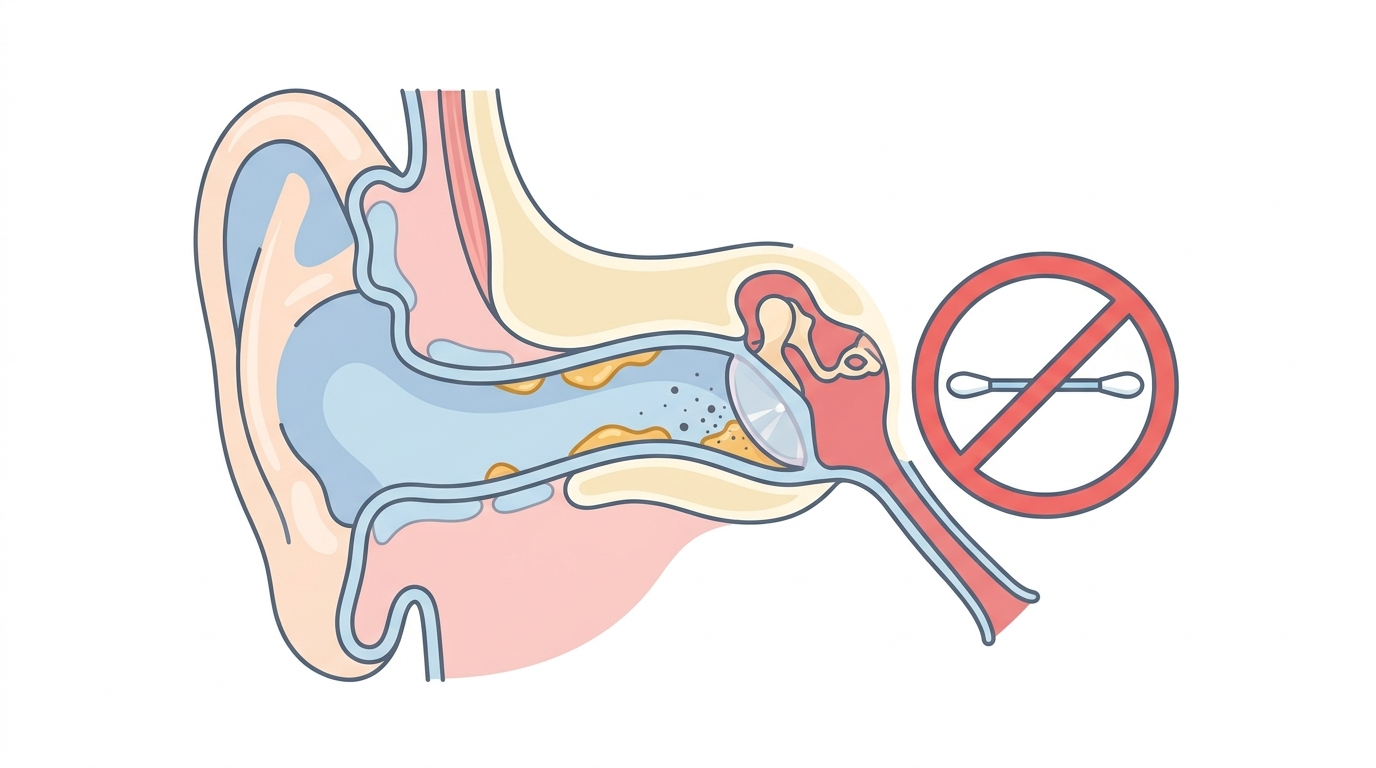
So, do you know how this cerumen is formed? In the outer part of our ear, there is a thing called the ear canal, and this earwax is formed by the secretions of two special glands in the skin of the ear canal and the accumulation of dead skin cells. It usually has an oily and sticky nature.
The important thing is that not everyone has the same earwax. Some people have wet cerumen, which is a yellow or orange color, while others have dry cerumen, which is a gray or light brown color and flakes off like a crust. This is determined by your genes, and is not something to worry about or a sign of illness.
Why is earwax important for our ears?
Think about it, does this cerumen, which we think of as just 'ear wax', actually have any use? Absolutely! This earwax does a much greater service to our ears than you might think.
- Protector: This sticky earwax is like a guard for our ears. Things like dust, small pieces of dirt, and small insects that get into the ear get stuck in this earwax, stopping it from going deeper into the ear and causing damage.
- Antiseptic: Earwax contains certain chemicals that help control the growth of certain bacteria and fungi inside the ear. This means that our ears are naturally protected from infections.
- Maintains moisture: This ear wax reduces dryness and itching of the skin in the ear canal. This means that it provides the skin in the ear canal with the necessary moisture and helps keep it smooth.
- A cleanser: Amazing, isn't it? Earwax is part of the ear cleaning process itself.
So look, even though we think of it as just a 'hole', this cerumen is a very important thing that protects our ears, right?

Medical grade state-of-the-art hearing aids
Advanced hearing aids designed for clear hearing and noise control in the ear.
Check Availability →How our ears clean themselves
Our ears normally have an amazing ability to clean themselves. This is a wonderful natural process.
The skin in the ear canal is constantly being replaced. As this new skin is formed, the old skin is gradually pushed out of the ear canal. It's like a little 'conveyor belt'. With that pushing, the old earwax also comes out of the ear. When we talk, eat, and drink, our ears move back and forth, and those movements also help this process of earwax coming out.
So most of the time, this earwax that comes out of the ear naturally just dries out, crumbles, and falls off, or gets washed away when we shower. That's why it's not a good idea to try to remove earwax by putting anything inside the ear without a specific reason.
When does earwax become a problem?
However, this natural process doesn't always happen perfectly. Sometimes, this earwax can build up inside the ear and become stuck like a lump. We call this earwax blockage or cerumen impaction .
There may be several reasons for this:
- Some people naturally produce a lot of earwax.
- Some people's ear canals are a bit narrow or tortuous.
- As you age, earwax becomes drier, thicker, and more likely to become blocked.
- The most important thing is to clean your ears incorrectly and cause this problem. For example, putting things like cotton buds, hair pins, and key rings inside the ear can push the earwax further in and cause it to become stuck. This is the biggest mistake that many people make without realizing it.
What are the symptoms of earwax blockage?
If you have any of these symptoms, it could be due to earwax blockage:
- A gradual decrease in hearing or a sudden feeling of heaviness or blockage in the ear.
- Ear pain or discomfort.
- An itchy ear.
- Hearing a continuous sound inside the ear, like a 'ringing' or 'ringing' - we call this tinnitus .
- Sometimes you may feel dizzy.
- A discharge or bad odor from the ear (this could be a sign of an infection).
- Some people may even cough due to earwax buildup. This is because certain nerves in the ear are stimulated.
The biggest mistakes we make about earwax!
As we mentioned before, many people use cotton buds to remove earwax, but in reality, they can cause unimaginable harm.
Think of it this way: when you put a cotton bud in your ear, it's like pushing a bullet into a gun. The earwax can travel further down the ear canal and eventually get stuck near the eardrum. Not only will the problem get worse, but it can also damage the eardrum.
Not only that, the cotton buds can get stuck inside the ear, damaging the delicate skin of the ear canal, causing bleeding, and even serious infections. So remember, the only thing that is safe to put in your ear is your elbow! (This is a joke, it means that you should never put anything in your ear).
There are others who do 'ear candling' by putting candles in their ears.Try unsafe, unscientific methods like:. There is no evidence that these will remove earwax, and there is a high risk of burning your ear and damaging your eardrum. So, never do these things.
What to do if you have earwax stuck in your ear? When should you see a doctor?
Okay, so what do you do if you think you have earwax stuck in your ear and you have the symptoms mentioned above? The most important thing is not to panic and not try to remove anything yourself.
The best thing you can do is see a doctor. You can see your family doctor (GP - General Practitioner), or you can see an ear, nose and throat (ENT surgeon) if you have one.


No comments yet. Be the first to share your question or experience below.