
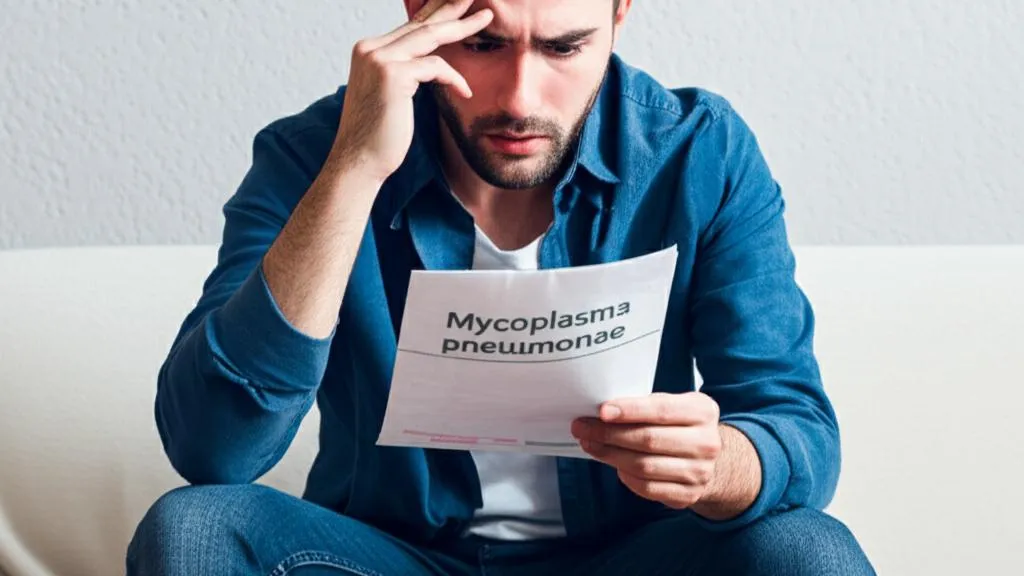
Do you have a persistent cough or sore throat? Or are you experiencing any unusual discomfort in your genital area? Sometimes the cause of these things can be a slightly different type of germ that none of us have heard of. That germ is called "Mycoplasma". Today, let's talk about what this mycoplasma is, what effects it can have on our bodies, and what we can do about it.
What is this Mycoplasma?
Simply put, mycoplasma is a type of bacteria , or germs . They can cause infections in many different parts of our bodies. For example, in places like your lungs , skin, or urinary tract . But this mycoplasma bacteria is a little different from other bacteria.
Think of other common bacteria as houses with well-built walls. We call these walls cell walls. Some of the antibiotics that doctors give us break down the walls of those bacteria and destroy them. However, this bacterium called Mycoplasma does not have such cell walls. Therefore, many well-known antibiotics like penicillin do not work on it. That is the biggest difference in this bacterium.
Although there are about 200 types of mycoplasma, most of them are harmless to us. However, there are a few main types that we should be aware of:
- Mycoplasma pneumoniae
- Mycoplasma genitalium
- Mycoplasma hominis
- Ureaplasma urealyticum
- Ureaplasma parvum
Let's now look at each of these types separately.
Mycoplasma pneumoniae, which affects the lungs
This type of bacteria mainly causes infections in our respiratory system. About one-third of cases of this infection result in a condition called Mycoplasma pneumonia . Some people also call it "walking pneumonia." This is because it allows people to continue working to some extent, rather than being bedridden like other types of pneumonia. But most often, especially in young children, this germ causes a chest cold rather than pneumonia .) or, in medical terms, a condition called tracheobronchitis.
Is this contagious? Yes. This bacteria can be spread to others through tiny droplets that enter the air when an infected person coughs or sneezes.
| Commonly seen symptoms | Treatments that the doctor may prescribe |
|---|---|
| Your doctor may prescribe an antibiotic like this:
|
Mycoplasma genitalium, which affects the genital area
This type of bacteria can cause infections in your genital area. This is a sexually transmitted infection (STI). Some people may have this infection but not have any symptoms.
| Symptoms that women may experience | Symptoms that men may experience |
|---|---|
|
|
How to find this?
Your doctor may order a nucleic acid amplification test (NAAT) to confirm the infection. This test looks for the genetic material of the bacteria. This is usually done using a urine sample taken first thing in the morning or a vaginal/cervical swab.
How to prevent infection? Since it is transmitted through sexual intercourse, using a condom can help prevent infection. If you are infected, your partner will also need to be treated.
The doctor will prescribe antibiotics as treatment. Sometimes, if one medication doesn't work, you may need to try another medication. Talk to your doctor about this.
Let's also learn about Mycoplasma hominis and Ureaplasma species.
These three types of bacteria (Mycoplasma hominis, Ureaplasma urealyticum, Ureaplasma parvum) live normally in the urinary tract and genital areas of most healthy adults. If your immune system is strong, these usually do not cause infections. However, in people with weakened immune systems, pregnant women, and in some cases, these bacteria can grow too much and cause infections.
These can be transmitted through sexual intercourse and from mother to child during childbirth.
| Possible effects on women | Risks to pregnancy and the baby |
|---|---|
|
|
The doctor will also test various samples of urine to determine if these infections are present. They will prescribe appropriate antibiotics as treatment. If you are pregnant or planning to become pregnant, it is especially important to be aware of this and talk to your doctor.
💡 Take-Home Message
- Mycoplasma is a special type of bacteria that does not have a cell wall. Therefore, some common antibiotics do not work on it.
- These can cause infections in the respiratory system (cough, phlegm, pneumonia) and genital areas.
- Some symptoms can be very mild, while others, especially during pregnancy, can be serious.
- It is important to use a condom to protect against sexually transmitted mycoplasmas.
- If you have a persistent cough, fever, or unusual discomfort in your genital area, be sure to see your doctor for advice. Do not self-medicate.






Janiw kuna arsuwinakas jichhakamax uñt’ayatäkiti. Aka chiqanx amuyt’awim jan ukax jiskt’awim yapxatañamawa.