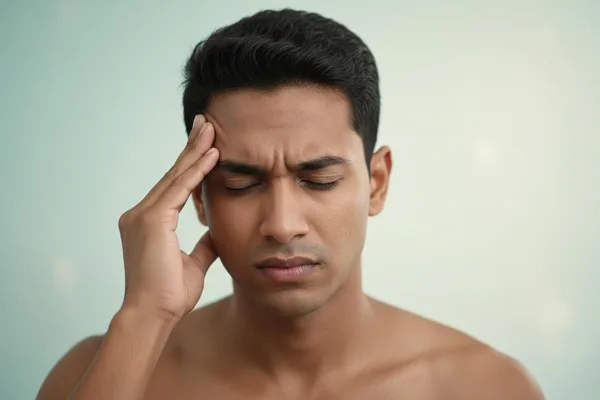
Do you also get headaches when you smoke cigarettes? Let's talk about Nicotine Headache

Do you also get headaches when you smoke cigarettes? Let's talk about Nicotine Headache
Do you get a headache after smoking a cigarette, or after not smoking a cigarette all day and then in the evening? Maybe you are trying to quit smoking. Do you still get an unbearable headache? While many people think of various reasons for this headache, the real reason may be your tobacco use. Today we are talking about this 'nicotine headache'. Let's take a simple look at what it really is, why it happens, and how to get rid of it.

What exactly is a nicotine headache?

Simply put, a nicotine headache is a headache caused by nicotine use or withdrawal. Nicotine is the main addictive chemical found in cigarettes, cigars, chewing tobacco, e-cigarettes, or as we call it, 'vapes.' But here's a little complicated: tobacco products don't just contain nicotine. They contain thousands of other chemicals . So sometimes it can be hard to tell if your headache is caused by nicotine, another chemical, or a combination of all of these. And since there are so many other causes of headaches, let's take a closer look at this before we assume that it's all due to nicotine.

What does a nicotine headache feel like? What are these types?

The main symptom of a nicotine headache is pain. But this pain can feel different to each person. Some types of headaches have been found to be specifically associated with nicotine use. Let's take a look at what they are.
Type of headache Feelings and symptoms
Cluster Headaches This is the worst type of headache. It feels like a knife stabbing pain in one spot on the head, usually around or behind the eye. This pain can last for 30-45 minutes. Sometimes it can come up to 8 times a day.
MigrainesThis causes severe throbbing pain on one side or the entire head. Some people may be unable to look at the light, have difficulty hearing sounds, and may experience nausea and vomiting. Although research on the link between smoking and migraines is mixed, smoking can make migraines worse.
Tension Headaches This is the most common type of headache. It feels like a band is being tightened around the head. There is a feeling of pressure and tightness in the forehead, sides of the head, and the back of the neck. Cigarette smoke can be a major cause of this type of headache.

Why does nicotine give me a headache? What are the causes?

A headache is usually the result of a signal exchange between our brain, blood vessels, and surrounding nerves. Researchers believe that nicotine affects this process in several ways.
  • Blood vessel constriction: Nicotine is a substance that causes the blood vessels in our body to constrict. Imagine that the blood vessels in your brain are narrowed. This reduces the amount of blood and oxygen reaching your brain. We can feel this as a headache.
  • Nerves become more sensitive: If you're a long-term nicotine user, your nerves may become more sensitive to pain. This means that even something small that wouldn't normally cause a headache can be strong enough to give you a headache.
  • Nicotine Withdrawal: If you are a daily smoker , your brain has become accustomed to a certain level of nicotine. When you go a few hours without smoking, the nicotine level in your body drops. This causes a change in the chemical balance (changes in neurotransmitters) in your brain, which can lead to headaches. This is the main reason why you get a severe headache in the first few days of quitting smoking.
The important thing is that it's not just the nicotine in cigarettes, but other toxic chemicals like carbon monoxide and the pungent odor in cigarette smoke can also cause or worsen headaches.

Do things like the Nicotine Patch also cause headaches?

Yes. Nicotine Replacement Therapy (NRT) methods used to help quit smoking, such as nicotine patches and nicotine gum, can also cause headaches in some people. This is because your body may be getting more nicotine from the patch than it needs. Or it may be getting less than it needs . If you are getting severe headaches while using NRT, be sure to talk to your doctor . He or she can help you decide on the right dose of nicotine for you.

What should I do for this headache and should I see a doctor?

If you suspect that you are getting a headache from nicotine, the best and only permanent solution is to stop using nicotine completely . We know this is not as easy as it sounds. But it is the only way to permanently get rid of nicotine headaches. But remember, during the first two to three weeks of quitting smoking, headaches may increase as a symptom of nicotine withdrawal. This is temporary. Your doctor may recommend the following to help manage your headaches during this time:
  • Common painkillers : You can buy painkillers from a pharmacy, such as Paracetamol or Ibuprofen . However, it is best to ask a doctor before using these. Nicotine use can reduce the effectiveness of these medications.
  • Prescription medications: If you have a severe condition like migraine , your doctor may prescribe specific medications like triptans or CGRP inhibitors. Never take these without medical advice .
When you go to see a doctor, he may ask you questions like these:
  • When does the headache start?
  • How long has it been?
  • Does doing anything reduce headaches?
  • What kind of tobacco products do you use? (cigarettes, beedis, cigars, vape)
  • How much do you use per day?
At this point, it's important to be honest about your smoking habits. Your doctor is there to help you, not to judge you.

The best way to prevent nicotine headaches

As we've said before, the best and only way to prevent nicotine headaches is to avoid all tobacco products. This will not only save you from headaches, but also from a host of other serious illnesses. Just think of the benefits that quitting smoking can bring you:
  • The risk of lung cancer, stroke, and heart disease decreases rapidly .
  • By the time you stop smoking for 5 years, your risk of stroke is almost the same as that of someone who has never smoked.
  • The risk of mouth, throat, and bladder cancer is reduced by half .
  • After 10 years, the risk of dying from lung cancer is reduced by 50%.
This is a big journey. But if you can't do it alone, don't be shy about asking for help. Your doctor can provide you with the guidance, medication, and support you need.

Take-Home Message

  • Headaches can occur during both nicotine use (smoking, vaping) and nicotine withdrawal.
  • The best and only way to permanently get rid of this headache is to stop using all tobacco products.
  • Headaches may temporarily increase during the first few weeks of quitting smoking, but they will subside over time.
  • If you need help quitting smoking or if your headaches are severe, never hesitate to see a doctor. They are always ready to help you.
  • If you are using painkillers for a headache, it is safest to do so under medical advice.
nicotine headache, cigarette, smoking, headache, migraine, quitting smoking, nicotine headache, smoking, headache, migraine, quitting smoking, vape, e-cigarette

⚠️ Important: The medical articles and information on Nirogi Lanka are for general awareness only, and are by no means a substitute for professional medical advice, diagnosis, or treatment. For any medical problem you have, consult a qualified physician immediately.

💬 Comments (0)

No comments yet. Be the first to share your thoughts here.

Add Your Comment

Please calculate: 9 + 6 =
Do you also get headaches when you smoke cigarettes? Let's talk about Nicotine Headache
Preventive HealthFebruary 12, 2026

Do you also get headaches when you smoke cigarettes? Let's talk about Nicotine Headache

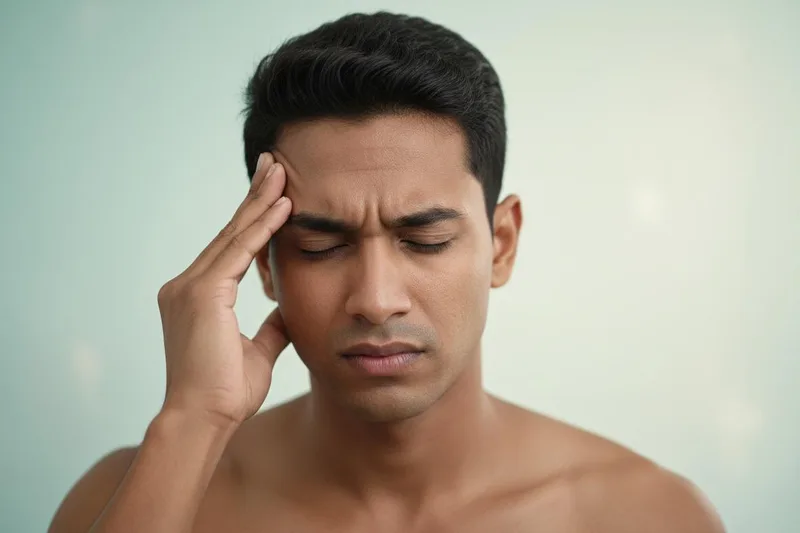
Do you get a headache after smoking a cigarette, or after not smoking a cigarette all day and then in the evening? Maybe you are trying to quit smoking. Do you still get an unbearable headache? While many people think of various reasons for this headache, the real reason may be your tobacco use. Today we are talking about this 'nicotine headache'. Let's take a simple look at what it really is, why it happens, and how to get rid of it.

What exactly is a nicotine headache?

Simply put, a nicotine headache is a headache caused by nicotine use or withdrawal. Nicotine is the main addictive chemical found in cigarettes, cigars, chewing tobacco, e-cigarettes, or as we call it, 'vapes.' But here's a little complicated: tobacco products don't just contain nicotine. They contain thousands of other chemicals . So sometimes it can be hard to tell if your headache is caused by nicotine, another chemical, or a combination of all of these. And since there are so many other causes of headaches, let's take a closer look at this before we assume that it's all due to nicotine.

What does a nicotine headache feel like? What are these types?

The main symptom of a nicotine headache is pain. But this pain can feel different to each person. Some types of headaches have been found to be specifically associated with nicotine use. Let's take a look at what they are.
Type of headache Feelings and symptoms
Cluster Headaches This is the worst type of headache. It feels like a knife stabbing pain in one spot on the head, usually around or behind the eye. This pain can last for 30-45 minutes. Sometimes it can come up to 8 times a day.
MigrainesThis causes severe throbbing pain on one side or the entire head. Some people may be unable to look at the light, have difficulty hearing sounds, and may experience nausea and vomiting. Although research on the link between smoking and migraines is mixed, smoking can make migraines worse.
Tension Headaches This is the most common type of headache. It feels like a band is being tightened around the head. There is a feeling of pressure and tightness in the forehead, sides of the head, and the back of the neck. Cigarette smoke can be a major cause of this type of headache.

Why does nicotine give me a headache? What are the causes?

A headache is usually the result of a signal exchange between our brain, blood vessels, and surrounding nerves. Researchers believe that nicotine affects this process in several ways.
  • Blood vessel constriction: Nicotine is a substance that causes the blood vessels in our body to constrict. Imagine that the blood vessels in your brain are narrowed. This reduces the amount of blood and oxygen reaching your brain. We can feel this as a headache.
  • Nerves become more sensitive: If you're a long-term nicotine user, your nerves may become more sensitive to pain. This means that even something small that wouldn't normally cause a headache can be strong enough to give you a headache.
  • Nicotine Withdrawal: If you are a daily smoker , your brain has become accustomed to a certain level of nicotine. When you go a few hours without smoking, the nicotine level in your body drops. This causes a change in the chemical balance (changes in neurotransmitters) in your brain, which can lead to headaches. This is the main reason why you get a severe headache in the first few days of quitting smoking.
The important thing is that it's not just the nicotine in cigarettes, but other toxic chemicals like carbon monoxide and the pungent odor in cigarette smoke can also cause or worsen headaches.

Do things like the Nicotine Patch also cause headaches?

Yes. Nicotine Replacement Therapy (NRT) methods used to help quit smoking, such as nicotine patches and nicotine gum, can also cause headaches in some people. This is because your body may be getting more nicotine from the patch than it needs. Or it may be getting less than it needs . If you are getting severe headaches while using NRT, be sure to talk to your doctor . He or she can help you decide on the right dose of nicotine for you.

What should I do for this headache and should I see a doctor?

If you suspect that you are getting a headache from nicotine, the best and only permanent solution is to stop using nicotine completely . We know this is not as easy as it sounds. But it is the only way to permanently get rid of nicotine headaches. But remember, during the first two to three weeks of quitting smoking, headaches may increase as a symptom of nicotine withdrawal. This is temporary. Your doctor may recommend the following to help manage your headaches during this time:
  • Common painkillers : You can buy painkillers from a pharmacy, such as Paracetamol or Ibuprofen . However, it is best to ask a doctor before using these. Nicotine use can reduce the effectiveness of these medications.
  • Prescription medications: If you have a severe condition like migraine , your doctor may prescribe specific medications like triptans or CGRP inhibitors. Never take these without medical advice .
When you go to see a doctor, he may ask you questions like these:
  • When does the headache start?
  • How long has it been?
  • Does doing anything reduce headaches?
  • What kind of tobacco products do you use? (cigarettes, beedis, cigars, vape)
  • How much do you use per day?
At this point, it's important to be honest about your smoking habits. Your doctor is there to help you, not to judge you.

The best way to prevent nicotine headaches

As we've said before, the best and only way to prevent nicotine headaches is to avoid all tobacco products. This will not only save you from headaches, but also from a host of other serious illnesses. Just think of the benefits that quitting smoking can bring you:
  • The risk of lung cancer, stroke, and heart disease decreases rapidly .
  • By the time you stop smoking for 5 years, your risk of stroke is almost the same as that of someone who has never smoked.
  • The risk of mouth, throat, and bladder cancer is reduced by half .
  • After 10 years, the risk of dying from lung cancer is reduced by 50%.
This is a big journey. But if you can't do it alone, don't be shy about asking for help. Your doctor can provide you with the guidance, medication, and support you need.

Take-Home Message

  • Headaches can occur during both nicotine use (smoking, vaping) and nicotine withdrawal.
  • The best and only way to permanently get rid of this headache is to stop using all tobacco products.
  • Headaches may temporarily increase during the first few weeks of quitting smoking, but they will subside over time.
  • If you need help quitting smoking or if your headaches are severe, never hesitate to see a doctor. They are always ready to help you.
  • If you are using painkillers for a headache, it is safest to do so under medical advice.
nicotine headache, cigarette, smoking, headache, migraine, quitting smoking, nicotine headache, smoking, headache, migraine, quitting smoking, vape, e-cigarette
⚠️ Important: The medical articles and information on Nirogi Lanka are for general awareness only, and are by no means a substitute for professional medical advice, diagnosis, or treatment. For any medical problem you have, consult a qualified physician immediately.

💬 Comments (0)

No comments yet. Be the first to share your thoughts here.

Add Your Comment

Please calculate: 9 + 6 =